Introduction...............................................pg 2
Solar Eclipse...............................................pg 3
Lunar Eclipse..............................................pg 11
Articles........................................................pg
Elementary Level Book.............................pg
Activity Description...................................pg
Sources.......................................................pg
Index

Do you know what happens when a planet or the moon crosses in between the Earth and another source of light such as the Sun? This is called an eclipse. There are two kinds of eclipses, solar and lunar eclipses.
Solar Eclipse
Lunar Eclipse
We will be exploring these later in the book!
Solar Eclipses
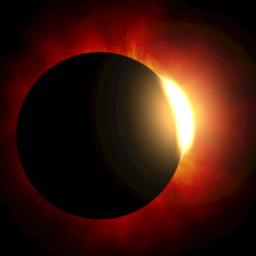
A solar eclipse happens when the Moon gets in the way of the Sun’s light and casts its shadow on Earth.
When this happens during the day it becomes dark like it is night, only it isn't!
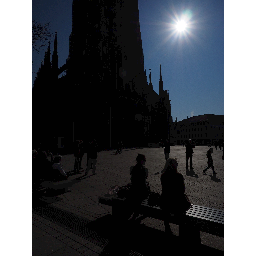
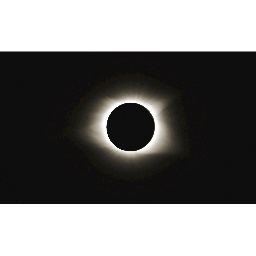
A total solar eclipse happens when the moon completely covers the sun and we can no longer see hardly any of the sun's light.
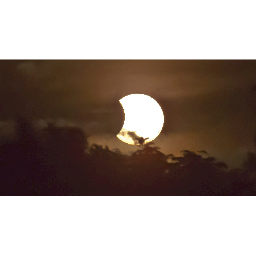
A partial solar eclipse is when only part of the sun is covered by the moon. We can still see part of the sun and it is still light outside.
Why Does This Happen?
The moon happens to be about 400 times closer to Earth than the sun (the ratio varies as both orbits are elliptical), and as a result, when the orbital planes intersect and the distances align favorably, the new moon can appear to completely blot out the disk of the sun.
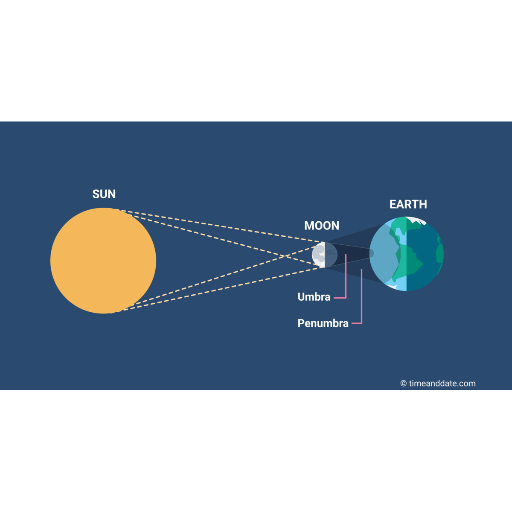
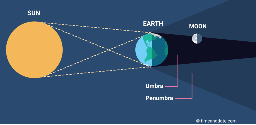
There are two types of shadows that occur from a solar eclipse. The umbra is where all sunlight is blocked out, or a total solar eclipse, this is a slender cone. The penumbra is when the sunlight is only partially obscured, a partial solar eclipse.
During a total eclipse, the period referred to as totality, is when the sun is completely covered, and the beautiful corona - the tenuous outer atmosphere of the sun - is revealed. Totality may last as long as seven and a half minutes! Usually, though, total eclipses are much shorter.
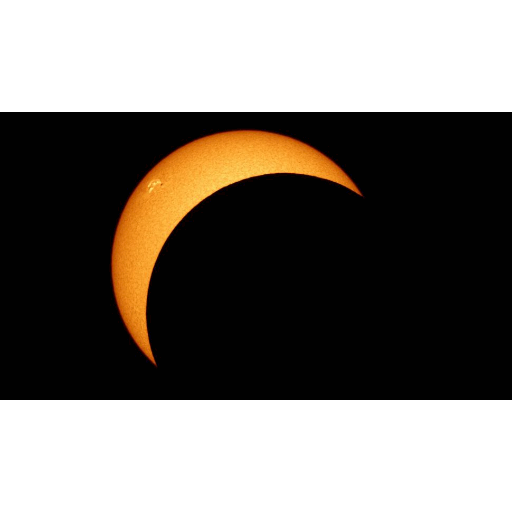
How we see partial eclipses depends on a few things:
We see the sun based on where we are in relation to the zone of the penumbra. The closer you are to the path of totality, the greater the solar obscuration. If, for instance, you are positioned just outside of the path of the total eclipse, you will see the sun as a narrow crescent, then it will thicken again as the shadow passes by.
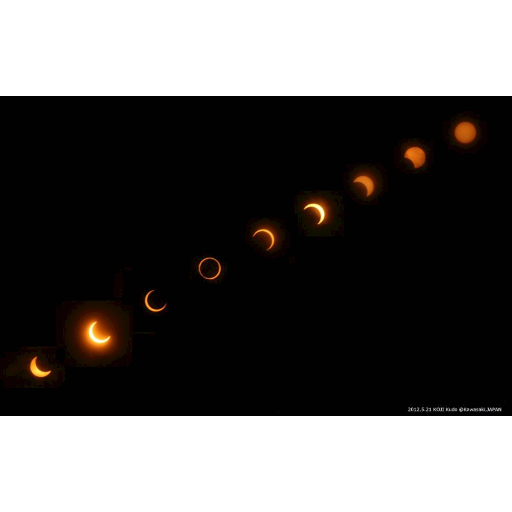
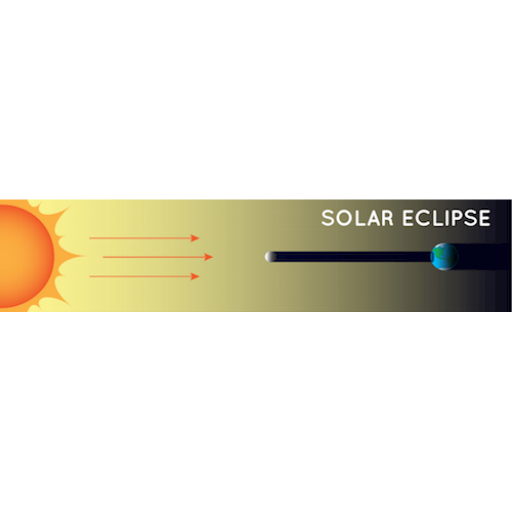
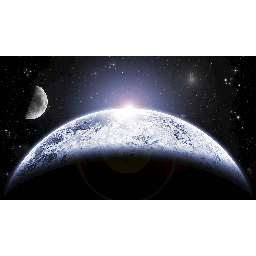
If you were to see a solar eclipse from space, this is what it would look like!
How Often Do These Happen?
A total solar eclipse happens somewhere on Earth about every year and a half. Partial eclipses occur about twice a year somewhere in the world. Sometimes they occur in conjunction with a total solar eclipse, in which the partial eclipse is visible before and after totality, but sometimes they occur on their own.

When is the next solar eclipse?
The next solar eclipse will be an annular solar eclipse on June 10, 2021.
An annular solar eclipse is close to a total solar eclipse, but in this instance the moon is not quite big enough to cover the whole sun. The outer layer of the sun will stick out the whole way around the shadow of the moon. So, the sky will darken but not completely. It will feel kind of like an eerie horror movie.
What is a Lunar Eclipse?
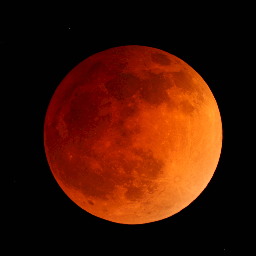
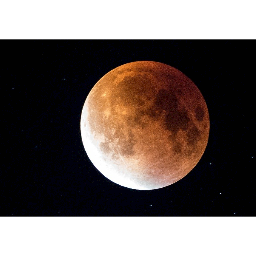
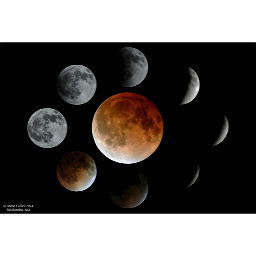
A Lunar Eclipse occurs when the Earth's shadow covers the Sun's light, which stops the moon from reflecting the sun's light. It creates a reddish-orange color because of this.
Why Does a Lunar Eclipse Appear Red?
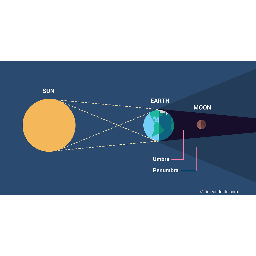
It is important keep in mind that the moon is always reflecting light; it never produces its own. So, when the Earth blocks the Sun (therefore blocking the Moon's ability to reflect the Sun's light, the Moon can only reflect the light that goes around the Earth, creating a red tint, as seen in the photo above.
Why Do Lunar Eclipses Occur?
The moon is always going through phases. The orbital tilt of the Moon is also always aligned with the stars, especially the Sun. About twice a year, the Moon is in the position of Earth's shadow, causing the eclipse. When the moon Earth's shadow-- called the dramatically and causes
passes through the center of
umbra-- it darkens
the moon to look red
- Full access to our public library
- Save favorite books
- Interact with authors
- < BEGINNING
- END >
-
DOWNLOAD
-
LIKE(1)
-
COMMENT()
-
SHARE
-
SAVE
-
BUY THIS BOOK
(from $4.19+) -
BUY THIS BOOK
(from $4.19+) - DOWNLOAD
- LIKE (1)
- COMMENT ()
- SHARE
- SAVE
- Report
-
BUY
-
LIKE(1)
-
COMMENT()
-
SHARE
- Excessive Violence
- Harassment
- Offensive Pictures
- Spelling & Grammar Errors
- Unfinished
- Other Problem





COMMENTS
Click 'X' to report any negative comments. Thanks!