



Introduction
This book introduces a new superhero universe, where the transformation from a regular civilian to a superhero can be modelled by a linear transformation. This book is intended for an audience of Grade 6-7 students, and was made by a group of students at the University of Waterloo for their Math 235 course.

Did you know that even superheroes live regular lives like the rest of us?
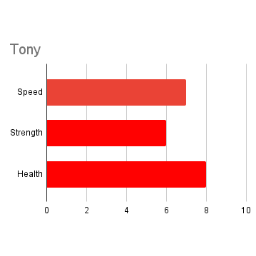
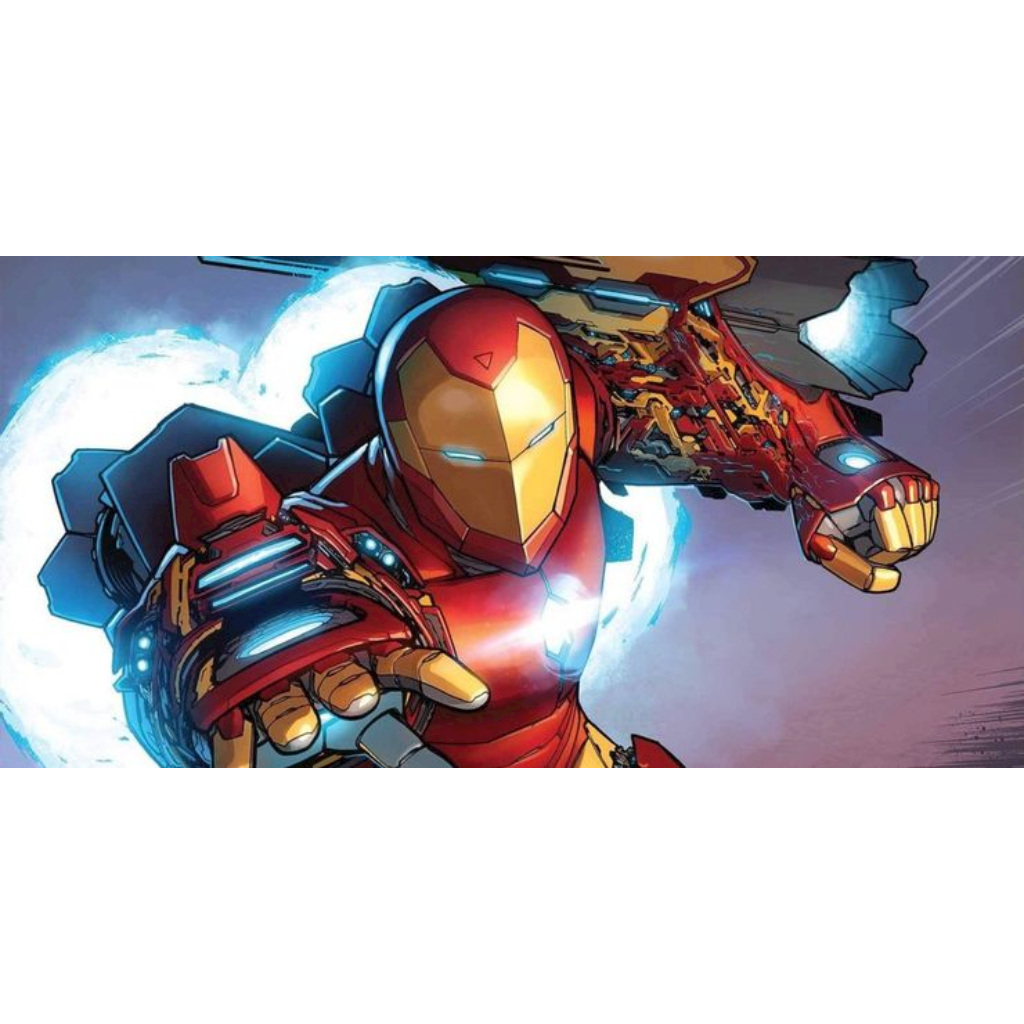
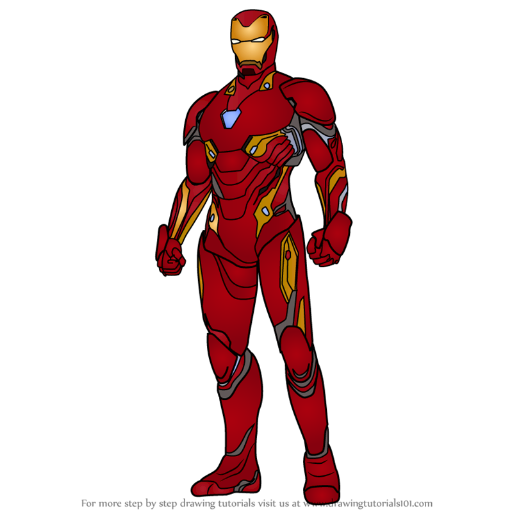
When Tony Stark isn’t fighting crime and leading the avengers he's busy managing a multibillion dollar enterprise.

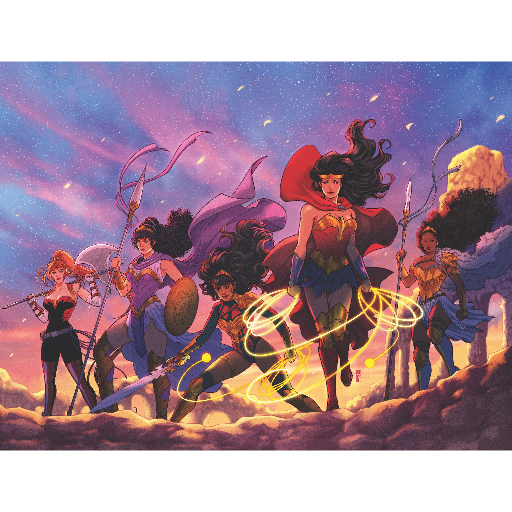
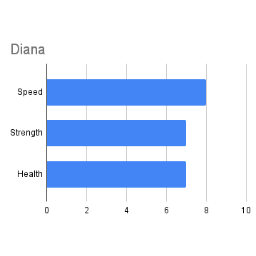
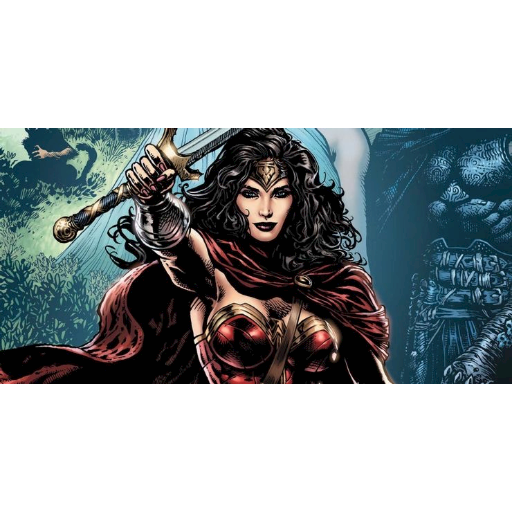
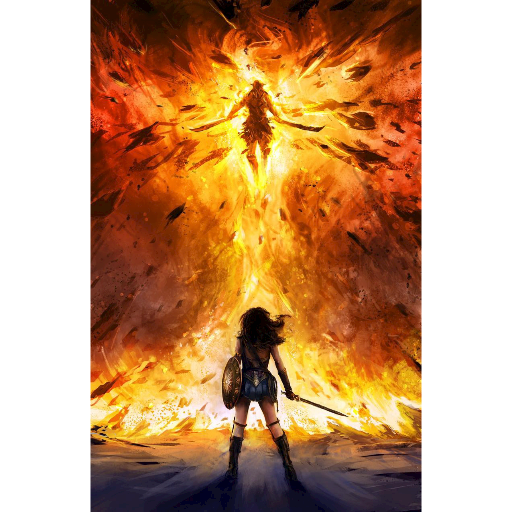
Diana Prince (also known as Wonder Woman) has her hands full leading her army of Amazons.

In their regular life, they have three stats: speed, strength, and health:


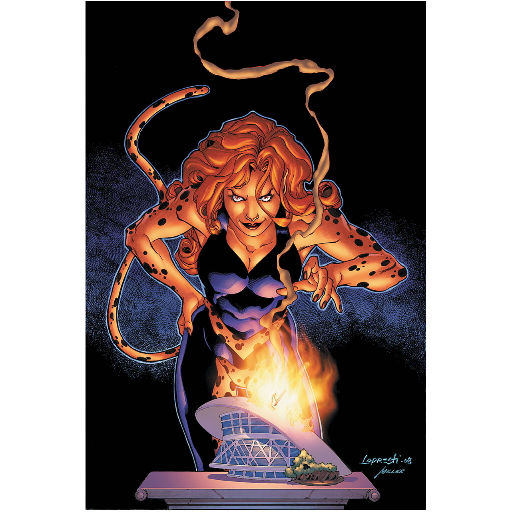
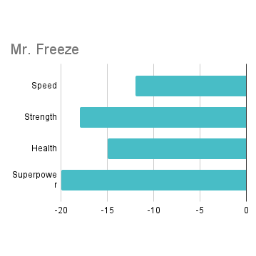
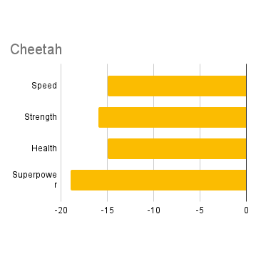
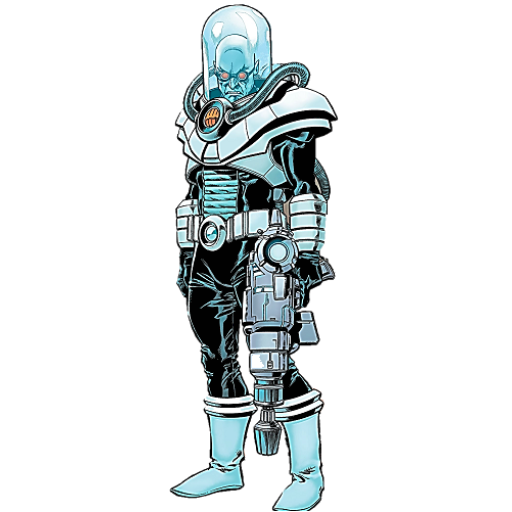
All of a sudden Diana and Tony are alerted to the appearance of a supervillain team up of Cheetah and Mr. Freeze!

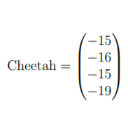
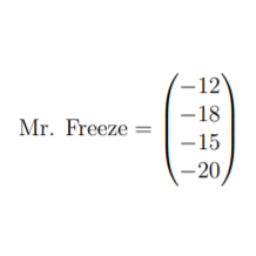
Cheetah and Mr. Freeze are equipped with not only speed, strength and health, but also a SUPERPOWER! Their stats are all negative because Cheetah and Mr. Freeze are villains, not heroes.


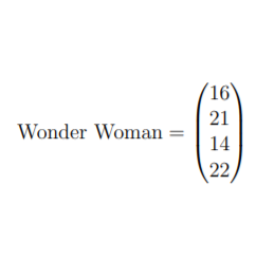
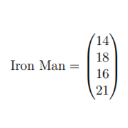
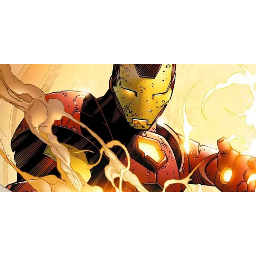
Diana and Tony transform into their superhero identities, Iron Man and Wonder Woman. Through this transformation, their stats have increased and they also unlocked a new stat - their superpower!
The superhero transformation can be modelled by a linear transformation! A linear transformation take objects from one "vector space" (like regular people) and stretches, rotates, or extends them to become objects of another "vector space" (like superheroes).

Each number corresponds to one of their stats (speed, strength, health, and superpower). We can also represent Cheetah and Mr. Freeze:


We can represent Iron Man and Wonder Woman as "three-dimensional vectors" like this:


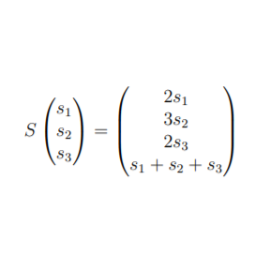
When Diana and Tony are transformed, their speed and health are doubled, and their strength is tripled, and their new superpower stat is equal to the sum of their original three stats! We can define the superhero linear transformation:


Remember, a linear transformation involves "vector spaces." The most important part of a vector space is that you can add vectors together, and multiply them by "scalars."

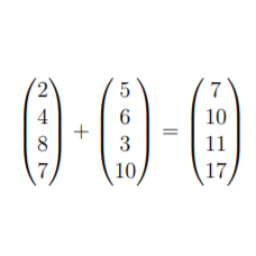
If we have two superheroes, we can add them together by adding the corresponding stats:
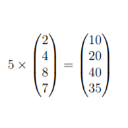
We can multiply a superhero by a scalar stat / by multiplying each of their stats by the scalar:


We can also multiply a superhero by a negative stat like -3. This would make them stronger, but it would also convert them into a villain because their stats would all be negative!
When Iron Man and Wonder Woman arrive at the scene, they think they can solve the problem on their own. However, neither of them is strong enough to defeat the team of villains alone!
The villains injure the heroes with their weapons, and the heroes' stats decrease.
This is an example of scalar multiplication! When the heroes are hit by the villains' weapons, they are multiplied by a scalar.
Since their stats decreased, they must have been multiplied by a scalar between 0 and 1.
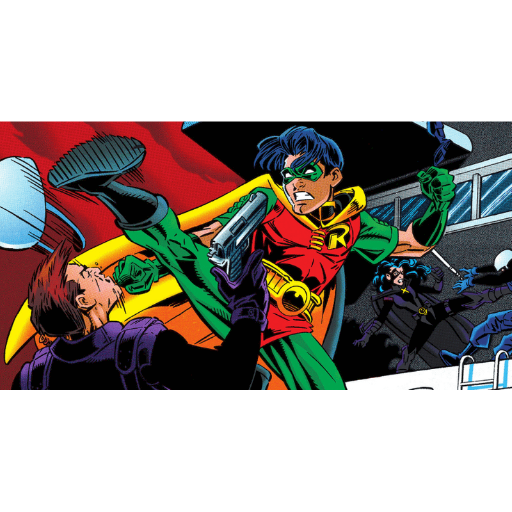
Suddenly, a new superhero appears to save the day, 8-year-old Robin.
However, Robin is incredibly weak and is no match for the two supervillains!
Realizing that Robin is in harm's way, Iron Man and Wonder Woman realize that the only way to defeat the villains is team up and fight the villains together.


You might be wondering why we call a linear transformation linear. Why not just a "transformation?"
There are two things that makes a linear transformation unique: It preserves vector addition, and it preserves scalar multiplication.
- Full access to our public library
- Save favorite books
- Interact with authors

- < BEGINNING
- END >
-
DOWNLOAD
-
LIKE(1)
-
COMMENT()
-
SHARE
-
SAVE
-
BUY THIS BOOK
(from $6.19+) -
BUY THIS BOOK
(from $6.19+) - DOWNLOAD
- LIKE (1)
- COMMENT ()
- SHARE
- SAVE
- REMIX
- Report
-
BUY
-
LIKE(1)
-
COMMENT()
-
SHARE
- Excessive Violence
- Harassment
- Offensive Pictures
- Spelling & Grammar Errors
- Unfinished
- Other Problem

COMMENTS
Click 'X' to report any negative comments. Thanks!