Students write texts in English about common plants of their countries, and they draw these plants.
Pupils work in teams: two schools collaborate and exchange texts and drawings.

A
- Alcea Rosea__________________ Page
- Alloro_______________________Page
- Almond tree__________________ Page
- Alove Vera____________________Page
- Anemone tulip_________________ Page
- Apple tree____________________Page
B
- Broom (Ginesta) _______________ Page
C
- Cactus______________________ Page
- Campanula Bohemica_____________ Page
- Chaber Btawatek_______________ Page
- Checkered lily__________________Page
INDEX
- Chestnut tree_________________ Page
- Cork oak____________________ Page
D
- Daisy flower_________________ Page
- Daphne____________________ Page
E
- Edelweiss____________________ Page
- Etruscan Saffron_______________ Page
F
- Fir tree_____________________ Page
- Fritillaria imperialis_______________ Page
G
- Gentiana dinámica Bech__________ Page
H
- Horse chestnut________________ Page
- Hazelnut tree_________________ Page
L
- Larch_____________________ Page
- Lemon tree_________________ Page
- Lilac______________________ Page
- Lili of the valey_______________ Page
- Linden Tree _______________ Page
M
- Maggiociondolo________________ Page
- Mandarin tree________________ Page
- Molika_____________________ Page
- Oak______________________ Page
- Olive tree__________________ Page
- Orange blossom______________ Page
- Orange plant________________ Page
- Orange tree________________ Page
- Ophrys x Palenae_____________ Page
P
- Perunika/Iris_________________ Page
- Pine tree___________________ Page
- Pomegranate tree_____________ Page
- Poppy flower________________ Page
- Prickley pear________________ Page
R
- Rosa damascena_____________ Page
- Rosemary__________________ Page
- Rue______________________ Page
- Siempreviva del Estrecho_________ Page
- Snowdrop__________________ Page
- Spruce____________________ Page
- Stokrotka___________________ Page
- Sunflower___________________ Page
T
- Tulip_____________________ Page
V
- Vine tree___________________ Page
- Walnut tree__________________ Page
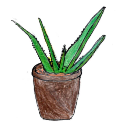
ALOE VERA (part 1)
The botanical name derives from Latin, aloe (also from Greek), having uncertain origin, and vera ("true") from Latin.
Aloe Vera is a beautiful plant, green with thorns. It can grow up to 60-100cm tall and 20-40cm wide. The leaves are thick and long. They can have flowers that blossom when the plant is 3 or 4 years old.
Aloe Vera doesn’t need too much attention, you have to water it every 20-25 days. Too much water can cause the roots to rot. The ideal soil to plant ALOE VERA is sandy and dry. It doesn’t like cold places.
The Aloe Vera heals the skin (for example: burns). It’s also good for the digestive system. Also, it eliminates fungus and viruses. It protects the immune system.
ALOE VERA (part 2)
Aloe vera is originally from the island of Socotra. There are about 360 species of Aloe that grow in the tropics and even in many gardens. Its habitat is also in North East and Africa.
Blanca & Alazne (5th grade) Escola Lavínia (Spain) Teacher: Noemí Dalmau
ALCEA ROSEA
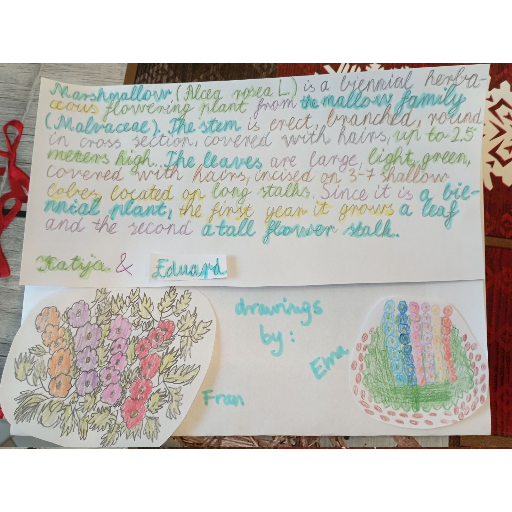
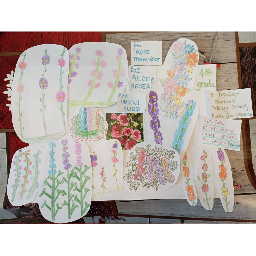
Marshmallow (lat. Alcea Rosea) is a herbaceous flowering plant from the mallow family. The stem is erect, branched, covered with hairs and up to 2.5 meters high. Being a biennial plant, the first year it grows leaves and the second year it grows a tall flowered stalk.
4th grade, Dr. Branimir
Marković PS, Ravna Gora,
CROATIA
teacher: Andrijana Simčić
text by Katija and Eduard
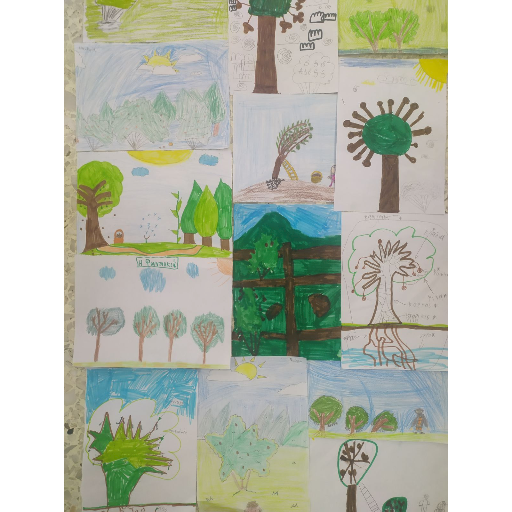
HAZELNUT TREES
Some hazelnut trees grows voluntarily, some others are cultivated. They prefer moisture and low temperature. Hazelnut production begins at aroud 3-4 year. It can live up to 600 years. Hazelnuts a source of proteins and a much loved nut it is used in baking and in pastry.
2nd Primary school of Artemis, Greece- Anna, Dimitris and all students with their wonderful drawings

Castanea is a genus of plants in the Fagaceae family, native to the temperate regions of the northern hemisphere, commonly known as chestnut trees. The fruits of chestnuts are edible nuts known as chestnuts.
The common chestnut is one of the most important trees in the economy and history of Galician. The places populated by chestnut trees are called chestnut trees. The groves are a type of formation of chestnut trees for the use of firewood and typical fruits of Galician.
Magosto,is a traditional festival in some regions of northern Spain, such as Galician. It is a celebration related to the harvesting of chestnuts similar to the vintage festivals related to the harvesting of the grape. It does not have a specific date but it takes place on Saint Martin's Day. The bonfire prepared to roast the chestnuts is called magosto, around which the neighbors gather to share them. It has also spread internationally as a chestnut party.
It is a festival of Celtic roots, the festival that celebrates the end of summer and starts the dark and cold half of the year. In all the regions where it is celebrated and especially in Galicia, it is deeply related to the cult of the dead, being usual to leave the fire of the house lit and food around the lareira so that the spirits of the deceased of the family return to their homes tonight to warm up. Numerous traditional rituals are celebrated throughout this festival, both to purify oneself, heal oneself, remember the ancestors.
CEIP PLURILINGÜE PENA DE FRANCIA.MOS,GALICIAN -SPAIN

A.Bruska SP 25 Bydgoszcz Poland
Maria Baptista - AEAP, EB1 Sarzedas - Portugal- writes and draws about plant from poland
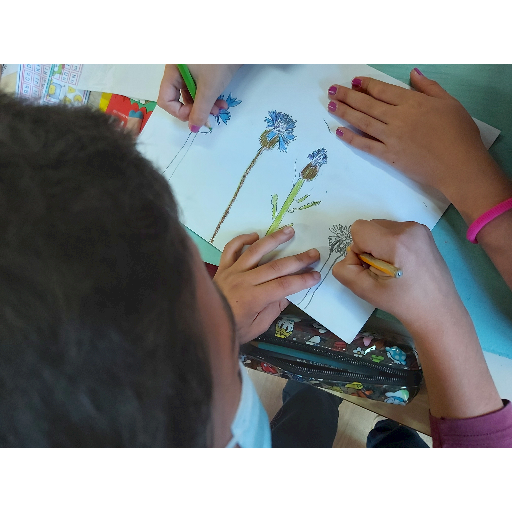
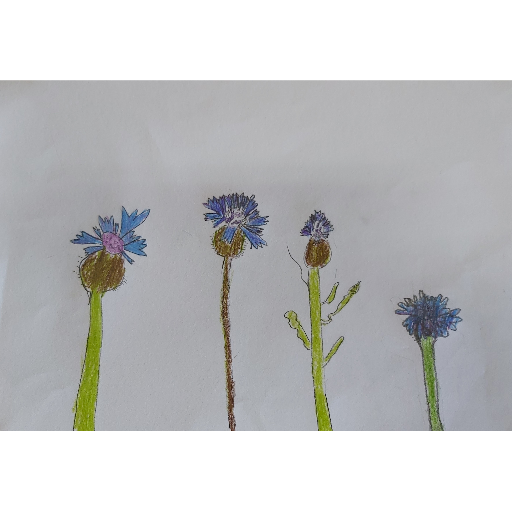
Chaber bławatek (Centaurea cyanus L.)
Chaber bławatek (Centaurea cyanus L.) - It is an annual plant native to Europe. In Portugal one of the common names is "Saudades". Flowering season: June, July. It reaches 40-90 cm in height. It reproduces by seeds. The flowers can be eaten raw, dried or cooked. Dried petals are used in teas and spices. Their main purpose is to add colour to drinks or foods. There are cheeses or oils that contain raw petals. Petals can also be added to salads, drinks or desserts for garnishing purposes in raw or dried form. In folklore they were worn by young people in love; if the flower withers too quickly, it is considered a sign that the man's love was unrequited.
Search made by AEAP, EB1 Sarzedas - Portugal
Plant suggested by our partners from Poland, Strzelce Op., Primary School, 1st class, Ewa Stanuch-Dyduch
CORK OAK
Plant suggested by our partners from Portugal, AEAP, EB1 Sarzedas, Maria Baptista


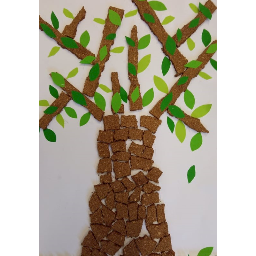
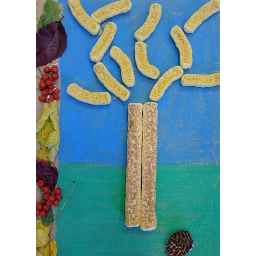
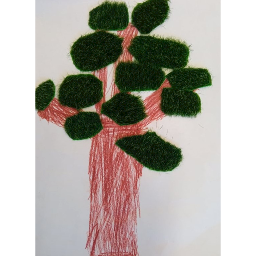
CORK OAK
PRIMARY SCHOOL- PSP4 STRZELCE OP/ 1A
POLAND- draws plant from Portugal
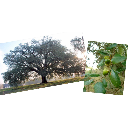
Medronheiro (Strawberry tree)
This plant is one of the native trees in Portugal
Etymologically its name means “eat only one”, as its ripe fruits are reputed to be intoxicating due to the alcohol content they may contain.
In shrubby size, the strawberry tree (Arbutus unedo) is three to five meters high, reaching eight to ten meters, thus becoming a tree, preferring mild climates. It is in November that the strawberry tree bears its fruits. When full of fruit, the strawberry tree is a vibrantly colored tree.
The fruits of the strawberry tree - the arbutus - are edible and very appreciated in jams and for arbutus brandy. With astringent, anti-inflammatory, antiseptic, depurative and diuretic properties. The tea from its leaves is used to lower blood pressure. Birds and mammals also appreciate arbutus as they are one of the few foods available at a difficult time of year for all wild species.
Ema Cruz, EB1 de Santiago da Guarda, Portugal
Class 2/4
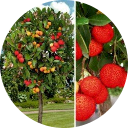
Bellis perennis, the daisy, is a common European species of the family Asteraceae, often considered the archetypal species of that name.
Generally blooms from early to midsummer, although when grown under ideal conditions.The name "daisy" is considered a corruption of "day's eye", because the whole head closes at night and opens in the morning.This daisy may be used as a potherb. Young leaves can be eaten raw in salads or cooked.
Bellis perennis has astringent properties and has been used in herbal medicine.Daisies have traditionally been used for making daisy chains in children's games.
Daisy from Anna Bębenek (Poland)
Cvetanka Petrevska N.Macedonia
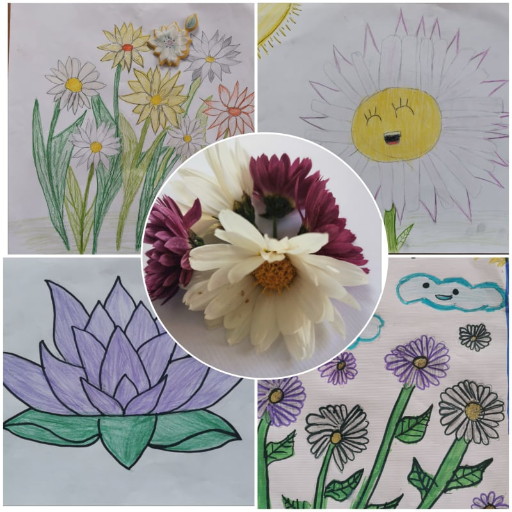
Macedonian pine is one of the most valuable conifer species in the Balkan Peninsula. Its durable wood is highly valued in construction and furniture production. The tree is also exceptionally good at adapting to severe mountain climate conditions, which makes it a valuable species for afforestation on high terrain for protection against erosion. Macedonian pine is also a popular ornamental tree in parks and large gardens. It is very tolerant of severe winter cold, hardy down to at least -45 °C, and also of wind exposure.
Molika - Balkan pine from Cvetanka Petrevska (N.Macedonia)
Anna Bębenek/Public Kindergarten No 18 Poland
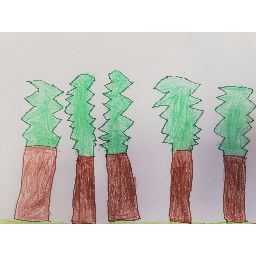
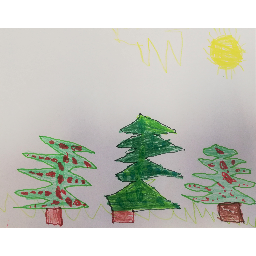
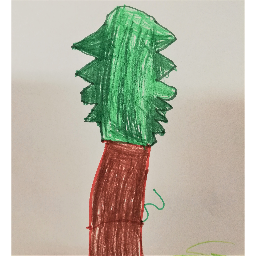
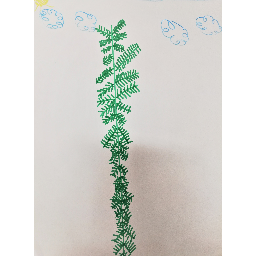
FRANCESCA ROTA PRIMARY SCHOOL CLUSONE (BG) ITALY CLASS 3^ B
RUE
PARTNER
Alina Labanauskaite (Lithuania) Kelme "Krazante" Progymnasium
The rue plant is a perennial herbaceous plant of the rutaceae family,80 cm in height. It grows spontaneously also below 1000 meters of altitude and has got small yellow flowers and strongly aromatic leaves. We use it to flavor grappa.
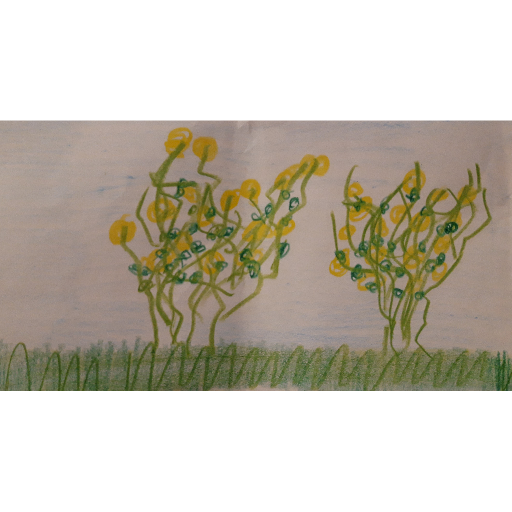
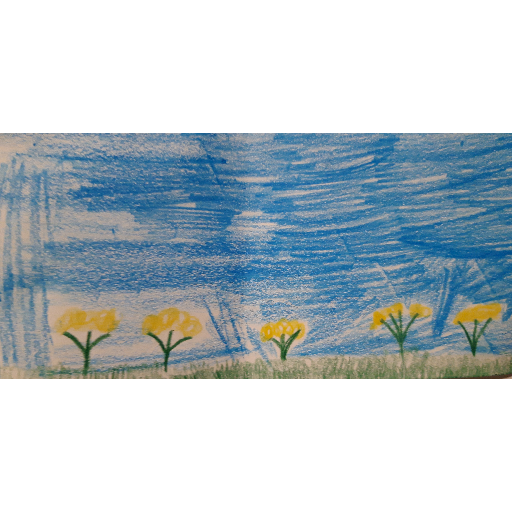
Rue is considered a national herb of Lithuania and it is the most frequently referenced herb in Lithuanian folk songs.
Pine Tree
Pine trees are evergreen, coniferous resinous trees growing 3 - 80 m tall. Pines typically reach the age of 100 - 1000 years. The Pine family first appeared in the Jurassic period. Pines are native to Northern Hemisphere. They often occur in mountainous areas in acid soils. They require good soil drainage. Pines are beneficial to the environment since they can remove carbon dioxide from the atmosphere. In traditional Chinese medicine, pine resin is used for burns, wounds and dermal complaints.
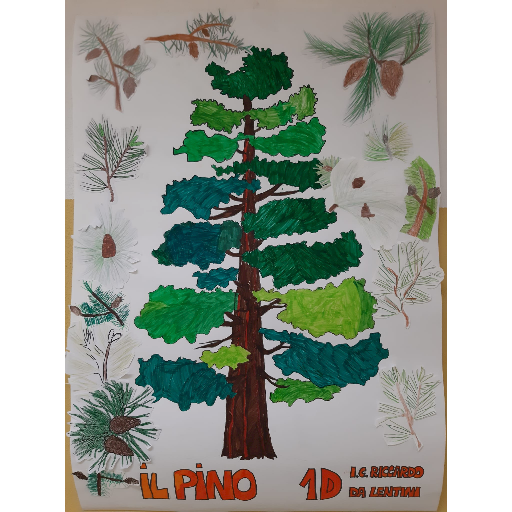
Plant proposed by 1st grade class IC DS Pianico Primary School (Italy) to IC Riccardo da Lentini SR (Italy) class 1D
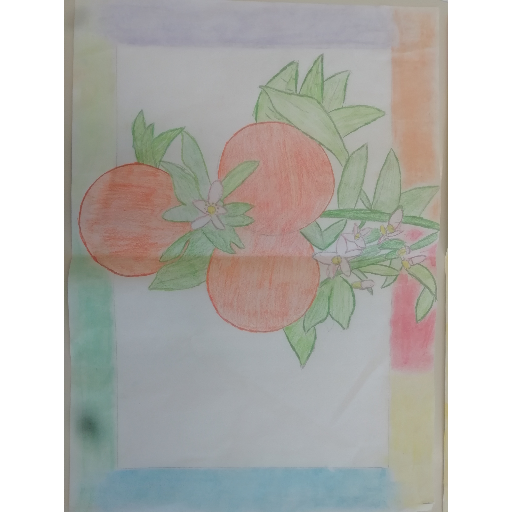
IC DS Pianico Primary School Italy, 4th grade for IC Riccardo da Lerntini Italy

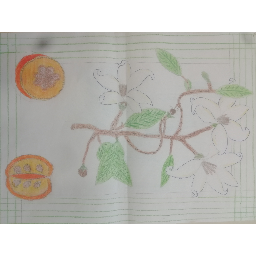
ORANGE BLOSSOM
SCIENTIFIC NAME citrus cinensis.
ITALIAN NAME ZAGARA: comes from Arab term, ZAHAR, which means blooming.
The orange blossom is the white flower of the bitter orange tree. Cousin to the sweet orange and lemon trees, this plant, also known as the wild orange tree, grows in sunny lands.
FLOWERING: IN APRIL
HARVEST: from October to December
USE: The flower symbolizes purity AND eternal love therefore IT IS used in weddings.
It is used also to make perfumes and to flavor honey and beer.
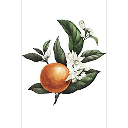


IC DS Pianico Primary School, ITALY -5th grade draws ORANGE BLOSSOM for IC RICCARDO DA LENTINI I - ITALY - 1B
ALMOND TREE
WHAT IS SCIENTIFIC NAME? Prunus dulcis
WHERE DOES IT COMES FROM? The Almond is a tree native to Iran but Now it is cultivalted elsewhere, in south of Italy too.
How does the fruit looks like? The fruit is a hard shell with the seed inside.
Is the fruit good? The fruit is really tasty, we love it .
How can you use it? It is used to cook very good biscuits and cakes


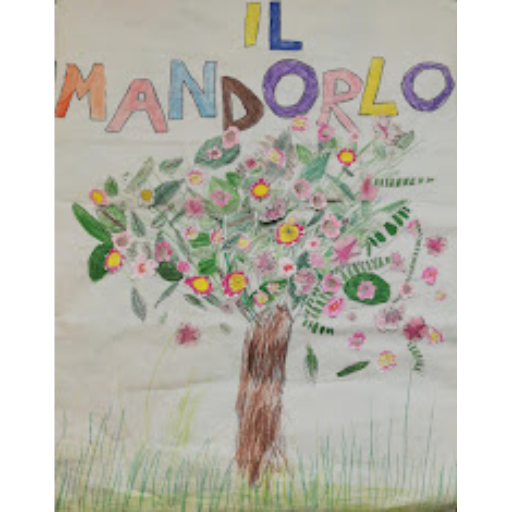
IC DS Pianico Primary School - Italy 1st grade tutored by 5th graders for IC Riccardo da Lentini Italy, 1D
Chestnut
Chestnuts are the deciduous trees and shrubs in the genus Castanea. The fruit is contained in a spiny burr. They are excellent source of vitamins and minerals. They have been linked to Italian cuisine for centuries because of their ductility: they can be boiled, roasted, dried or in the form of jam and flour.
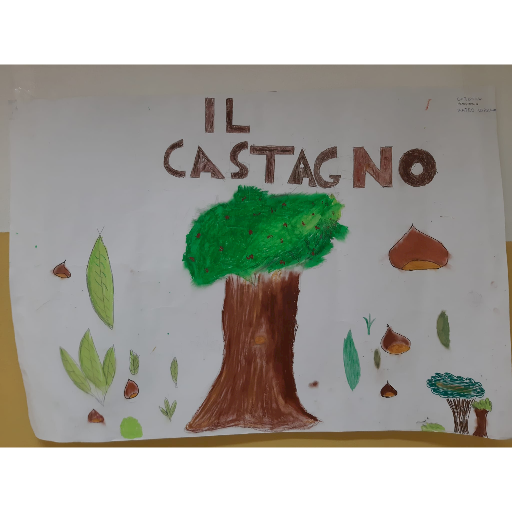
I.C Riccardo da Lentini, Secondary School, class 1A works on the Chestnut for I.C DS Pianico Primary School Italy
Pomegranate
Pomegranate or "Punica granatum" is among the healthiest fruits on Earth. It is a shrub that produces a red round fruit, catagorized as a burry. It looks like a red apple with a flower-shaped stem. The skin is thick and inedible but there are hundreds of edible seeds within, surrounded by a red, juicy and sweet seed covering known as aril.
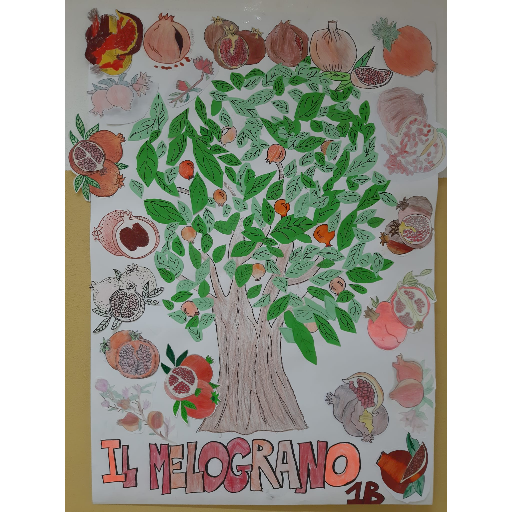
I.C Riccardo da Lentini, Secondary School class1B works on the Pomegranate for I.C. DS Pianico Primary School.
Tulips are one of the most popular spring flowers and they are common in Turkey.
The tulip is known for its vibrant colours, beautiful cup shape, large size and symmetry. The name " tulip" comes from the Persian word for turban, as this flower looks like a turban when it blooms.
Tulips have three petals and three sapels.
Tulip is the national flowers of Turkey.
Tulips are often seen in flowerbeds, fields, gardens, in table arrangement, wedding tables and bouquets.
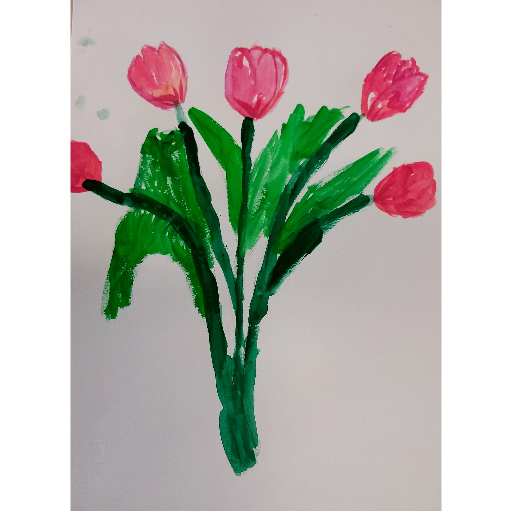
Minha and Maxim, Como Rebbio Primary School, Italy - teacher Monica Frigerio. We wrote about a plant from Turkey

Horse chestnut is a large tree, growing to about 39 metres tall with a domed crown of stout branches; on old trees the outer branches are often pendulous with curled-up tips. The leaves are opposite and palmately compound, with 5–7 leaflets. The leaf scars left on twigs after the leaves have fallen have a distinctive horseshoe shape, complete with seven "nails". The flowers are usually white with a yellow to pink blotch at the base of the petals; they are produced in spring in erect panicles 10–30 cm tall with about 20–50 flowers on each panicle. Usually only 1–5 fruits develop on each panicle; the shell is a green, spiky capsule containing one nut-like seeds called conkers or horse-chestnuts.
1d, Raseiniai Saltinis Progymnasium, Lithuania. (Teacher Saule Tiskuviene.) We wrote and drew about a plant from Italy.
Our drawings
1d, Raseiniai Saltinis Progymnasium

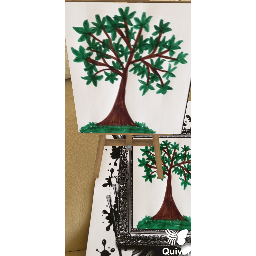
Dzwonek karkonoski (Campanula bohemica subsp.corcontica) is a stenoendemic, critically endangered species of flowering plant in the bellflower family Campanulaceae.
It is a perennial species that grows in the mountains of Karkonosze in Poland. Campanula bohemica is a purple flower with rich tufts, and small capsules. Stem is not longer than 20 cm. Ground leaves forming a rosette, stay until the plant wilts.

Szkoła Podstawowa nr 1 Chorzów,Poland (Anna Ciba)
3.b Primary school Čazma, Croatia
Teacher Anita Mikulandra


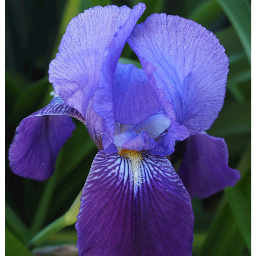

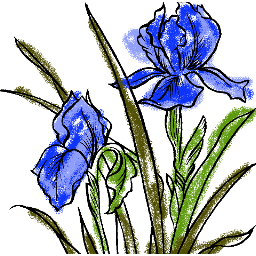
Szkoła Podstawowa nr 1 Chorzow,Poland
Anna Ciba
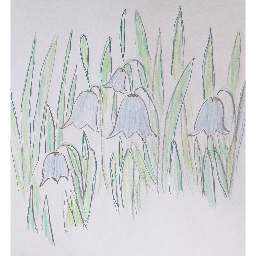
It has branched stems and dark violet flowers. Like other irises, it has 2 pairs of petals, 3 large sepals (outer petals), known as the 'falls' and 3 inner, smaller petals (or tepals), known as the 'standards'. The standards are slightly paler than the falls, they have white veining on the throat. It has a beard which is whitish yellow, and the spathes are slightly tinged with red-violet.
3.b Primary school Čazma, Anita Mikulandra, Croatia
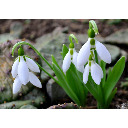
Snowdrops are a beautiful and delicate beginning
of spring. They bloom during the months of
February through March often times while there is still
snow on the ground . They give gardens an early start when
most flowers are still dormant. In company with the carnation, snowdrops are the official flower for January birthdays.
A Moldovan legend describes a fight between Lady Spring and Winter Witch; details show that at a point in the battle Lady Spring cuts her finger. The drop of blood melted the snow and a snowdrop flower grew. The pure white flower was a sign of Lady’s Spring’s victory over the Winter Witch.They can mean purity, innocence, and sympathy. 4-th B grade ,Lyceum Nicolae Iorga,Moldova
https://www.youtube.com/watch?v=wXCQ1PKFu6w-Sebastian Gotonoaga's story about snowdops
T
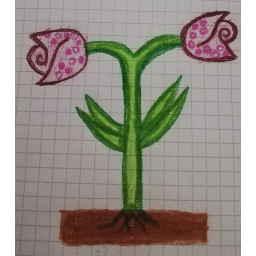
Checkered lily (Fritillaria meleagris)
Fritillaria meleagris is a Eurasian species of flowering plant in the lily family Liliaceae. Its common names include snake's head fritillary, snake's head (the original English name), chess flower, frog-cup, guinea-hen flower, guinea flower, leper lily (because its shape resembled the bell once carried by lepers), Lazarus bell, chequered lily, chequered daffodil, drooping tulip or, in the British Isles, simply fritillary.The plant is a bulbous perennial native to the flood river plains of Europe where it grows in abundance. The flower has a chequered pattern in shades of purple, or is sometimes pure white. It flowers from March to May. The plant has a button-shaped bulb, containing poisonous alkaloids. It grows in grasslands in damp soils and river meadows .
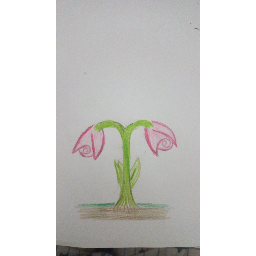

Tülin AKTÜRK, Halıcı Ahmet Urkay Anatolian High School
Checkered lily (Fritillaria meleagris)
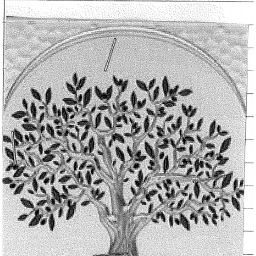
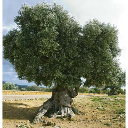
It is the most painted, praised and sung tree. It loves the Mediterranean sun and sea and it survives under drought conditions and in rocky soils.
It is symbol of peace, wisdom, fertility and luck. This tree has a long life and its fruits are both edible and oil producing. Its leaves are silver-green all year round. On the island of Crete there is the odlest tree in the world aged aprox 4.000 years. In Greece this tree is connected to our mythology and the name of our capital, Athens.
Chrysa Arabatzoglou
2nd P. S of Xanthi, Greece

M O L I K A

Imperial fritillaria
Fritillaria imperialis is native to Iran, Afghanistan, Pakistan,Turkey and the Himalayan region. It is a plant with hanging, bell-shaped, yellow or orange flowers, topped with leaves that have the shape of an imperial crown.
The stems can reach 100-120 centimeters, the leaves are long and bright green.
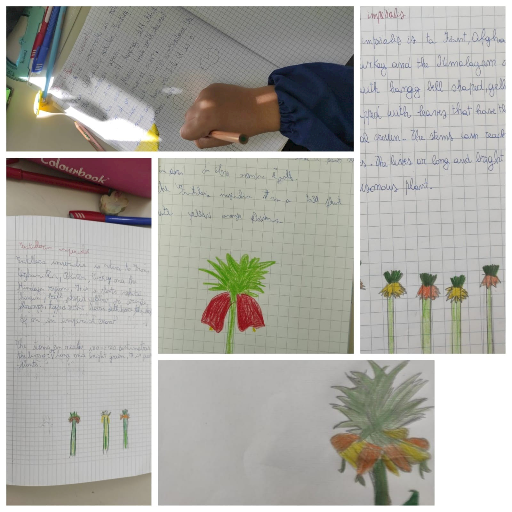
Class 4^ Incaldana, DDS Mondragone Terzo, Italy, teacher Ida Gravano, we wrote and drew about a plant of Turkey
We write for the Vicentini Della Porta-Italy.
C1 class
4th ILIOU
GREECE

Vitelli Carmela, Valentina Sartorelli, Boldi Valeria
Vicentini Della Porta-Italy
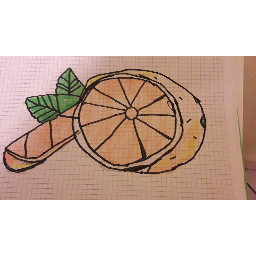

Orange is an evergreen plant. The leaves are freshy and shiny, the flowers are white. The orange plant has a short vegetative rest period. The plant blooms in spring and summer. The Pants lives in rather warm area. Oranges are rich in vitamins.
The lemon tree or citrus lemon is a species of small evergreen tree that belongs to the Rutacea family. It is a subtropical plant, native to Asia. It is a flowering plant (angiosperm) that reproduce by seeds. Its leaves are dark green on top, light green on the botton and oval shaped with a pointed tip. It's maximum height is 6-7 metres tall.
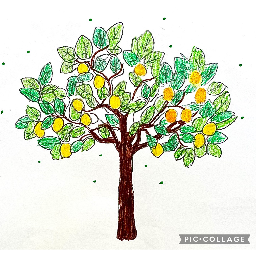
LEMON TREE
Lemon trees produce lovely, white, fragant flowers that may appear all year round, but more profusely during late winter. The fruit, the lemon, ripens in around 12 months.
These trees grow in zones with tropical and subtropical climates, places where the temperature is between 16-29 degrees Celsius. The relativity cool, equable climatic zones of coastal Italy and California are favourable for lemon cultivation. The trees are commonly grown in orchards.
They are used for culinary uses (juice, peel, oil and leaves) and other uses (decoration, industry, for invisible ink...).
Lemon trees need at least six hours of sun, warm places, well-drained, sandy loam soil and between 30-60 inches of rainfall annually or irrigation every five to ten days to keep the soil consistenly moist, but not wet.


Teacher: Susana Martín.
School: CEIP Mare Nostrum (Ceuta, SPAIN).
Students: Sara and Darío.
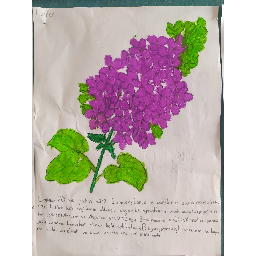
Yeliz BOSTAN,23 Nisan Kaptanoğlu Primary School, Class 4/i,TURKEY
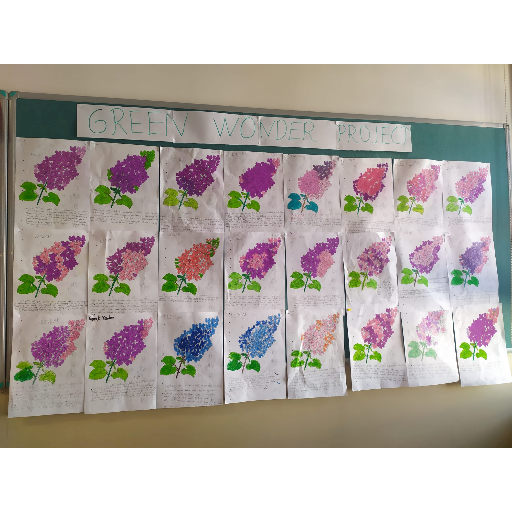
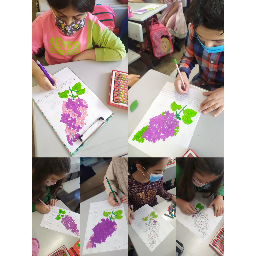
We researched and drew the lilac plant with the advice of students of Andriana Bugaj from Moldova.



Lime (Tilia platyphyllos) (Slovenia)
My student Asiye's lime (Tilia platyphyllos)
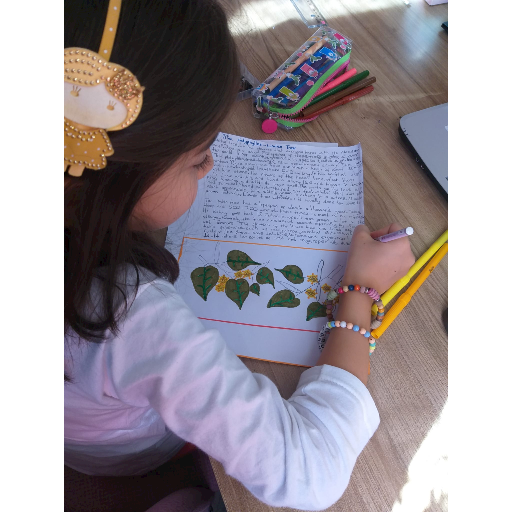
Ayla Akhan/Karacaören Primary School/ Turkey/Student: Asiye
Tilia platyphyllos – Linden Tree
Linden tree, It has flowers that everyone knows with its pleasant smell. There are about 30 species of these trees growing all over the world. In our country, generally 3 species (called large-leaved (Tilia platyphllos, small-leaved (Tilia cordata) and silvery (Tilia tomentosa)) are grown more. Trees can reach a height of about 20-30 meters. Heart-shaped leaves are 5-10 cm long. It has toothed edges and long stems.The flowers of the linden tree, which bloom in June and July and have a short life, are known in drooping bunches and with its unique smell.The fruits of the tree are oval, spherical, closed capsule-shaped and thick-shelled. With this pleasant appearance, it is widely grown in cities.
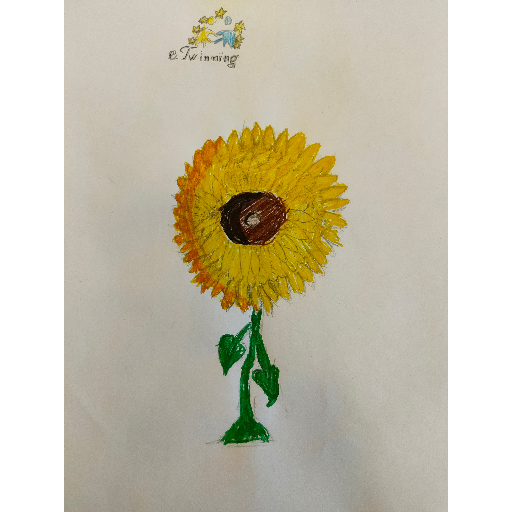
Sunflower is a yellow plant with seeds. The sunflower’s name comes from its tendency to reposition itself to face the sun. The sunflower’s yellow color symbolizes vitality, intelligence, and happiness. The color yellow also traditionally symbolizes friendship. Sunflowers have also been used by countless artists.
Adriana Bujag Heritage International School, Moldova
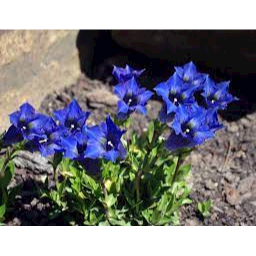
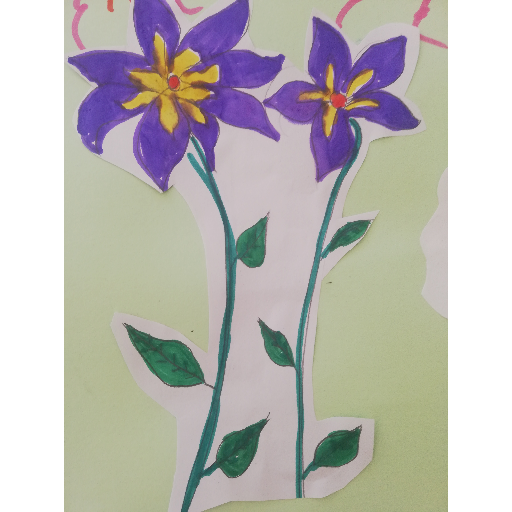
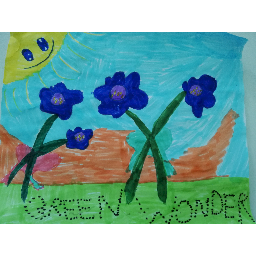
They are rare and endangered species of Balkan Dinaric alps. We can find them mainly in the Carpathian region near the Danube.
They are notable for their large, trumpet-shaped flowers, which are often of an intense blue color. The trumpet-shaped flowers are usually deep blue or azure, but they can be white, cream, yellow, or red in different regions.
In the past their leaves and roots have been used in the traditional medicine or in liqueur or tea for disorders.
The genus name is a tribute to
Gentius, an Illyrian king who
may have been the discoverer
of tonic properties
in gentians.

Gentiana dinarica Beck
a plant from Italy
Palena Primary School

2nd P.S. of Xanthi, Greece
Chrysa Arabatzoglou
Authors: Jim - Marianna
Daisy Flower in Italian is called “pratolina” or “margheritina”. It is an Asteracea, and it is widespread in Europe. Scientific name is “Bellis perennis”; it is from Bellide, one of the cruel daughters of Danao, king of Argo, or it is from the Latin “bellum” (war) because it can heal wounds. English name is “daisy”: “eyes of the day”, because it opens every day when the sun rises.
Plant: Daisy flower (from Greece)
Palena Primary School - class 4th
Teacher: Malvina Cellucci
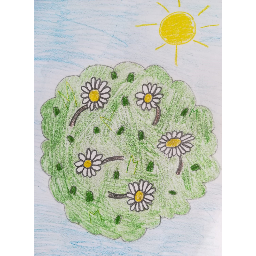
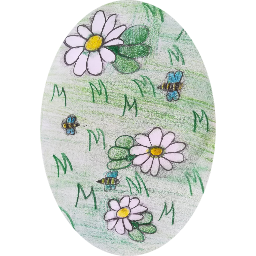
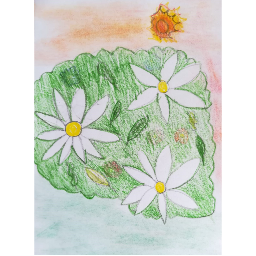
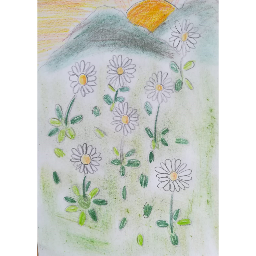
It’s between 5 and 15 centimeters high; it hasn’t got a real stem. Under the stem there are normal leaves. The stem is thin. The petals are white; they are five, or more. At the centre the flower is yellow. Its habitats are: parks, gardens and woods.
In the mythology of the North the daisy is the sacred flower to Astara, the Goddess of spring.
A flower from Greece
Primary School of Xanthi
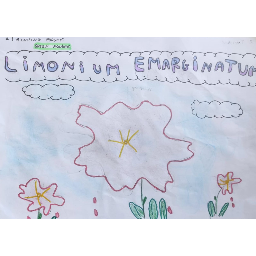
"Siempreviva del Estrecho" (Limonium
emarginatum)
Limonium emarginatum is an evergreen plant also called siempreviva of the strait, widespread in the Strait of Gibraltar, Spain and Morocco. It is a rocky plant that covers the cliffs with its flowers. It is found in coastal crevices where it appears in the form of bushes up to 25 centimeters in height and fifty centimeters in diameter. The stems reach eighty centimeters and are erect. The flowers are purplish or purplish blue. Flowering is from April to Octobe
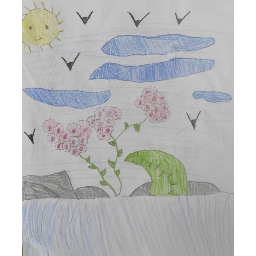
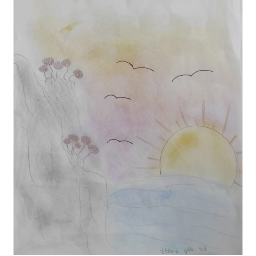
Class 5^A Incaldana, DDS Mondragone Terzo, Italy, teacher Maria Cristina Strozzi, we wrote and drew about a plant from Spain
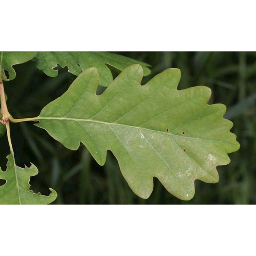
OAK
Centuries-old tree with a majestic appearance, the oak is renowned for its wood but also for some therapeutic properties of its bark
Oak is a large and very long-lived deciduous and evergreen tree. There are, in fact, specimens that reach 500 years of age.
It can reach up to 30 meters in height.
The leaves of this tree may show a different shape and are lobed. They are usually green but turn yellow, red and orange in autumn.
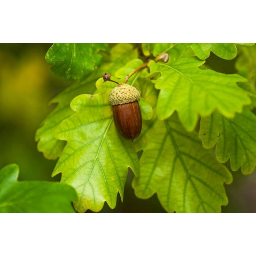
Acorns sprout on the branches, the typical fruits that contain the seed of this tree. These dried walnuts do not open upon reaching maturity and are partially covered with a dome.
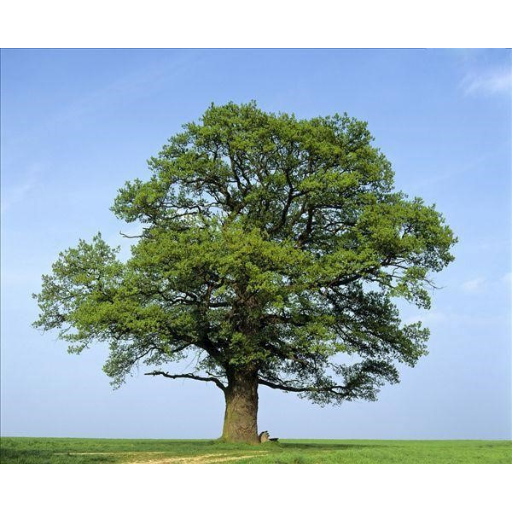
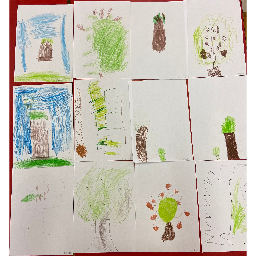
2A, I.C.2 Chieti, Kindergarten school, Italy (Teacher Antonella D'Amico).
We wrote about a plant from Lithuania
OUR DROWINGS
2A, I.C. 2 Kindergarten school, Chieti, Italy

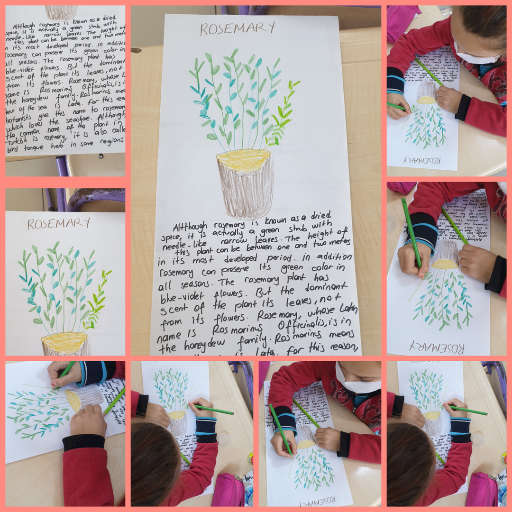
PLANT :LARCH
HaticeYavuzyılmazYıldıztepe primary school Bağcılar İstanbul
students:Fatma Eylem
PLANT :ROSEMARY
ŞENGÜL KAYA KIZILCA Primary School EREĞLİ ZONGULDAK
Students:CEMRE
ROSEMARY
The bay tree (daphne) is an aromatic evergreen tree or large bush. Its height varies between 10-15 meters. It has green, smooth leaves. This plant also lives in Turkey because it likes warm weather.
Fresh or dried bay leaves are used in cooking for their distinctive flavor and fragrance. It is also used in beauty products and soap productions as well. An excellent herb for rheumatism, rashes and earaches.
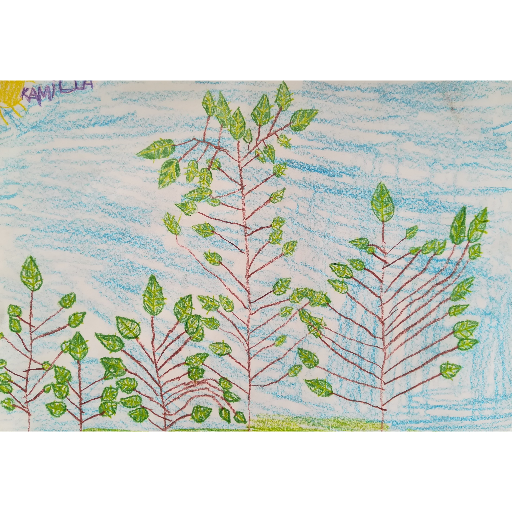
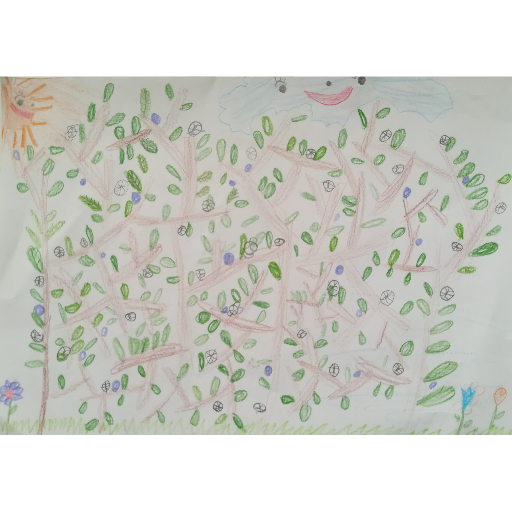
We wrote and drew about a plant
from Turkey.
Ágika and Kamilla
Școala Gimnazială "Kájoni János"
Ciceu, Romania
teacher Julianna Szabó
Misak-ı Milli Secondary School TURKEY
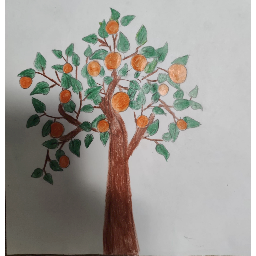
Plant: ORANGE TREE
Students: Nazlı, Irmak
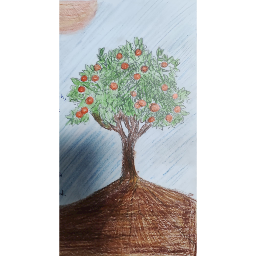
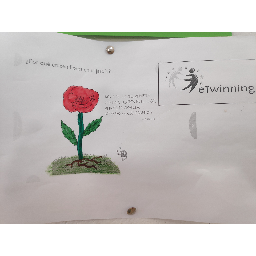
Poppy Flower
Kıbrıs Şehitleri Secondary School, İzmir Turkey
Made By Ceip Pena de Francia -Mos,Galician,Spain.
PLANT: ORCHID (From Italy)
serap SONAL(Şehitler Secondary School Manisa/TURKEY
Student: Fuat Efe
Orchid;
Ophrys x Palenae is the name of the hybrid of the municipality of Palena (ITALY).
The region is characterized by its floristic richness for the growth of various thermophilic orchids belonging to the genus Ophrys. Orchids often appear camouflaged on grass in mountains, pastures, and forests.
ORCHID
Serap SONAL(TURKEY)
- Full access to our public library
- Save favorite books
- Interact with authors
- < BEGINNING
- END >
-
DOWNLOAD
-
LIKE(4)
-
COMMENT()
-
SHARE
-
SAVE
-
BUY THIS BOOK
(from $26.39+) -
BUY THIS BOOK
(from $26.39+) - DOWNLOAD
- LIKE (4)
- COMMENT ()
- SHARE
- SAVE
- Report
-
BUY
-
LIKE(4)
-
COMMENT()
-
SHARE
- Excessive Violence
- Harassment
- Offensive Pictures
- Spelling & Grammar Errors
- Unfinished
- Other Problem





COMMENTS
Click 'X' to report any negative comments. Thanks!