 I dedicate this book to Dan for being an awesome friend.
This book was created and published on StoryJumper™
©2010 StoryJumper, Inc. All rights reserved.
Publish your own children's book:
www.storyjumper.com

 Table of Contents
3-4.......................Proclamation Line of 1763
5-6.......................Sugar Act
7-8.......................Quartering Act
9-10.....................Stamp Act
11-12....................Townshend Act
13-14....................Boston Massacre
15-16....................Boston Tea Party
17-18....................Intolerable Act
19-20....................First Continental Congress
21-22....................Lexington and Concord
23....................My Evaluation

The Proclamation line of 1763 was passed by the British that didn't
allow colonists to cross the land west of the Appalachian Mountains.
Colonists felt like they fought for that land and they wanted more
privileges.
This was important to the American Revolution because it was the
start of the colonists getting mad at the British. Colonists started to
become skeptical.
If I were a colonist, I would have probably been angry at the British
too and would probably join peaceful protests.
 Proclamation of 1763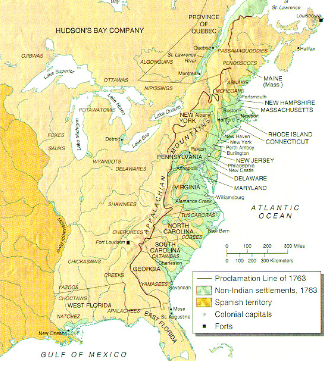
 Proclamation of 1763
British passed a three cent tax on coffee, indigo, and certain kinds
of wine. It also banned the importation of rum and French wines.
It contributed to the American Revolution because, again, colonists
wanted a say on the government because the British were passing too
many taxes.
If I were a colonist, i would really look out for the British and try and
protest and find out their motives.
 Sugar
Sugar Sugar Act
 April 5,1764
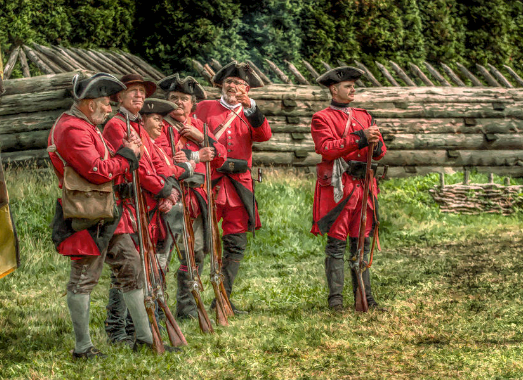
 Quartering Act
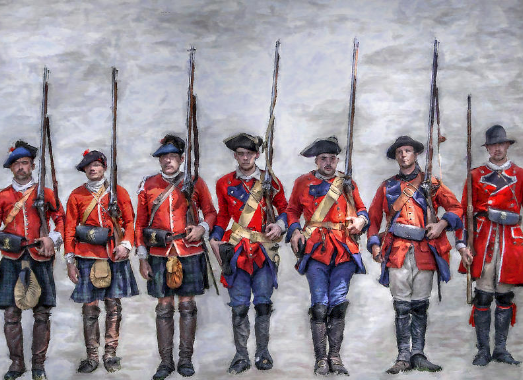
British passed an act that forced
colonists to house and supply soldiers
for their benefit of saving money.
 March 22, 1765
If I were a colonist I
would try my best to kick the
soldiers out of my house and i
would not be happy with Britain.
This was important to the start of the American Revolution
because colonists feared that the British soldiers were spying
on them and they didn't want to take care of the soldiers.
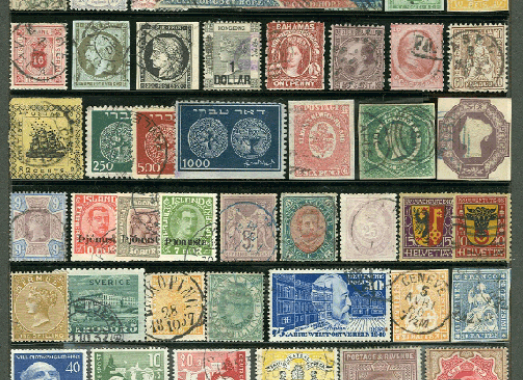
The stamp act was passed to help pay the
war dept. It put a tax on most printed
materials and required colonists to put buy a
stamp to prove that they payed their tax.
Colonists were angry and protested by
boycotting British goods.
If I were a colonist, I would join in the
boycotting and wouldn't buy British goods for
a long time.
 Stamp Act
 March 25, 1765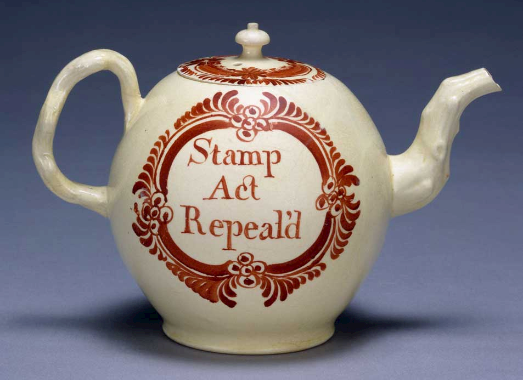

 June 29, 1767
  Townshend Act
Charles Townshend an indirect tax on glass,
lead, paper, and tea.
Colonists got angry at the British and refused
to buy British goods. Fights broke out between
soldiers and the colonists.
I would probably refuse to buy British goods,
but I wouldn't go so far as to fight with the
British soldiers because it could get me in a lot
of trouble.





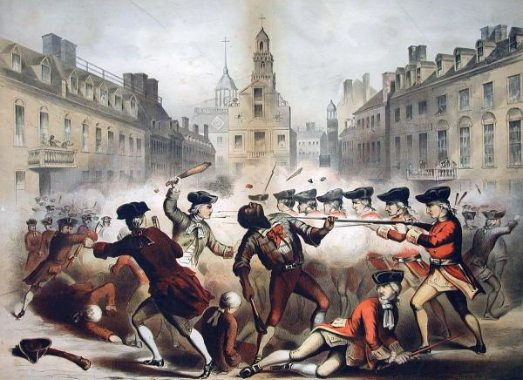
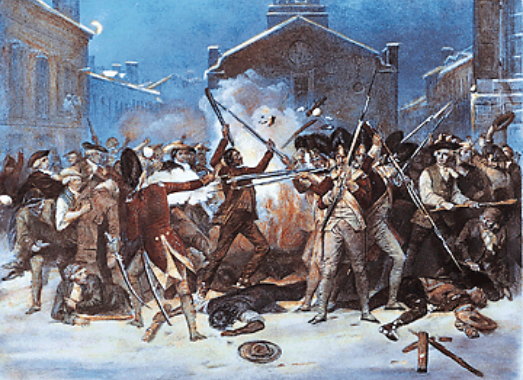 Boston MassacreMarch 5, 1770
The event started when colonists started throwing things
at the British soldiers because they were furious with
them. This event left five colonists dead and wounding
others.
This was important to the American Revolution because
British soldiers shot into and unarmed crowd of
colonists. This really made colonists angry.
If I were a colonist, I definitely would have been
enraged at the soldiers, but at the same time I would
have felt like the colonists shouldn't have thrown things
at the soldiers either.
You've previewed 15 of 24 pages.
To read more:
Click Sign Up (Free)- Full access to our public library
- Save favorite books
- Interact with authors


- < BEGINNING
- END >
-
DOWNLOAD
-
LIKE
-
COMMENT()
-
SHARE
-
SAVE
-
BUY THIS BOOK
(from $4.79+) -
BUY THIS BOOK
(from $4.79+) - DOWNLOAD
- LIKE
- COMMENT ()
- SHARE
- SAVE
- Report
-
BUY
-
LIKE
-
COMMENT()
-
SHARE
- Excessive Violence
- Harassment
- Offensive Pictures
- Spelling & Grammar Errors
- Unfinished
- Other Problem





COMMENTS
Click 'X' to report any negative comments. Thanks!