 To my imaginary friend, Lucy.
a. Pgs. 1-2
Proclamation Line of 1763
b. Pgs. 3-4
Sugar Act
c. Pgs. 5-6
Quartering Act
d. Pgs. 7-8
Stamp Act
e. Pgs. 9-10
Townshend Act
f. Pgs. 11-12
Boston Massacre
g. Pgs. 13-14
Boston Tea Party
h. Pgs. 15-16
Intolerable Acts
i. Pgs. 17-18
First Continental Congress
j. Pgs. 19-20
Lexington and Concord
k. Pg. 21
My Evaluation
This book was created and published on StoryJumper™
©2010 StoryJumper, Inc. All rights reserved.
Publish your own children's book:
www.storyjumper.com

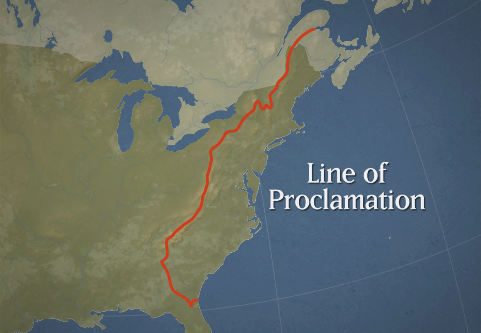
Proclamation Line of 1763
The British said that the land won during the French and
Indian war was for the Native Americans.
It showed that Britain was going to have tighter control
of the colonies.
I would've been frustrated at England, but I would've
stayed on the right side of the line, even if I didn't want
to.
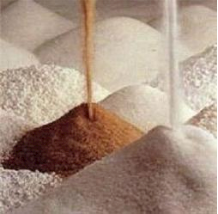
The Sugar Act
April 5, 1764
The British, without the colonist's consent, set a higher
tax on foreign sugar, coffee, indigo, certain wines, and
banned rum and French wines.
Colonists said that they had no right to tax them since
they had no representatives in their Parliament.
I would have been mad, and I would've tried to avoid
paying the tax if I could.

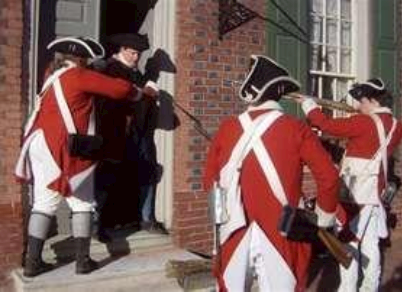
Quartering Act
March 24, 1765
It required colonists to host British soldiers in their
homes, while providing food, candles, beer, and
transportation.
Colonists didn't want the expense of taking care of
soldiers and they feared the soldiers were British spies.
They were upset, and thought that Britain should have
asked them before they passed the Act.
I would have been very upset and I would have wanted
the soldiers out of my house.
enter text here
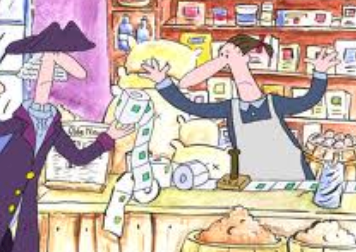
Stamp Act
March 22, 1765
Britain placed taxes on anything made out of paper, and it was the
first serious attempt to assert control over the colonies and pay the
war debt.
Sons of Liberty and Daughters of Liberty stopped ships from being
unloaded, and hurt British merchants. Colonists protested fiercely by
boycotting British goods, and representatives for nine colonies met
at the Stamp Act Congress and colonists demanded that Parliament
repeal the new law.
I would be annoyed also would've boycotted British goods, and I
would have tried to use as little paper as possible in order to avoid
the tax.
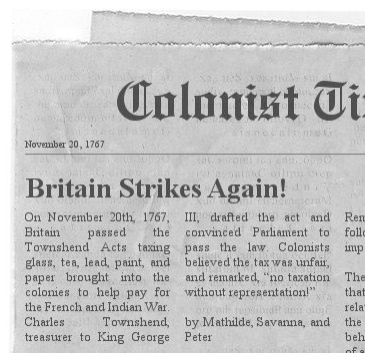
Townshend Acts
July 2, 1767
The new prime minister of England, Charles Townshend,
imposed a small indirect tax on glass, paper, lead, tea, hoping
that the colonists wouldn't notice. However, the colonists
found out, they saw it as an unjust form of taxation without
representation, and boycotted British goods.
The taxes increased hostility and England put more soldiers in
cities to enforce the law, which lead to fighting between the
soldiers and colonists.
I would have been upset with Britain, but I wouldn't be
fighting their soldiers.
enter text here
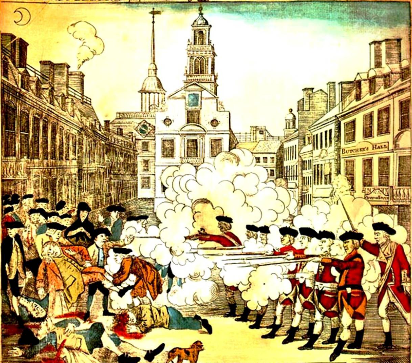
Boston Massacre
March 5, 1770
A group of colonists began to harass British soldiers,
taunting them and throwing snowballs. The situation got
out of control, the British opened fire, and 5 colonists
died. The colonists called a town meeting to demand the
removal of British troops and Britain agreed.
Colonists used that incident to point out the tyranny of
the British government and used propaganda that
worked to sway Colonists to their side.
I would have been mad, but I would have tried to be
understanding and empathetic to the soldiers.
You've previewed 13 of 21 pages.
To read more:
Click Sign Up (Free)- Full access to our public library
- Save favorite books
- Interact with authors


- < BEGINNING
- END >
-
DOWNLOAD
-
LIKE
-
COMMENT()
-
SHARE
-
SAVE
-
BUY THIS BOOK
(from $4.19+) -
BUY THIS BOOK
(from $4.19+) - DOWNLOAD
- LIKE
- COMMENT ()
- SHARE
- SAVE
- Report
-
BUY
-
LIKE
-
COMMENT()
-
SHARE
- Excessive Violence
- Harassment
- Offensive Pictures
- Spelling & Grammar Errors
- Unfinished
- Other Problem





COMMENTS
Click 'X' to report any negative comments. Thanks!