All information from:
https://www.webdesignerdepot.com/2009/01/the-evolution-of-apple-design-between-1977-2008/

Apple has been innovating and making amazing products ever since 1977 all thanks to the salesman Steve Jobs and the brains of Steve Wozniak
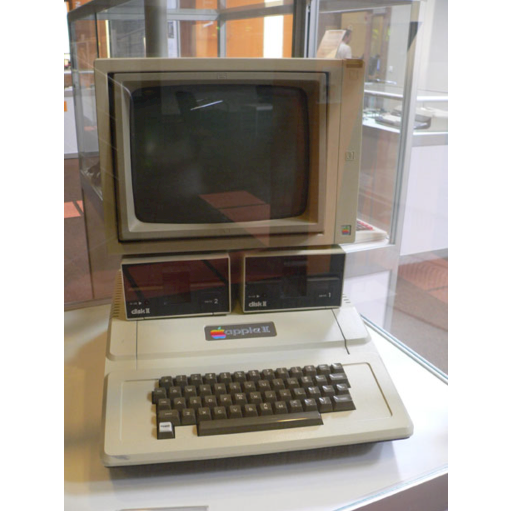
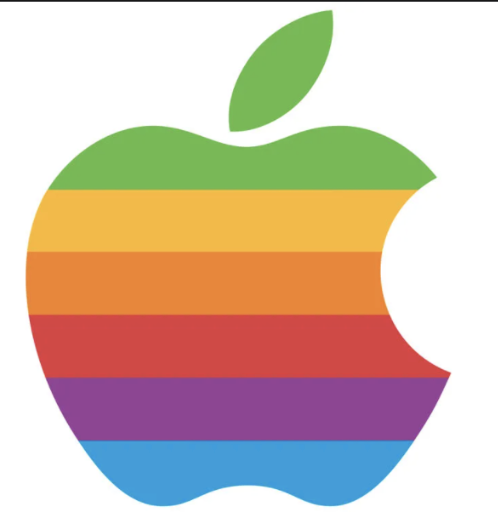
in 1977 Apple had invented both the Apple II and the famous rainbow Apple logo. Steve Jobs added the colours to the logo to reflect the Apple II’s superior colour output. The colour graphics set the Apple II apart from its rivals on the market.
This next computer was for business, it was created primarily to compete with business computing companies like IBM.
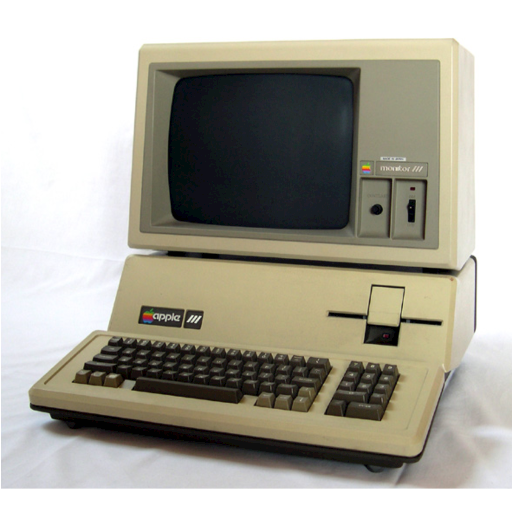
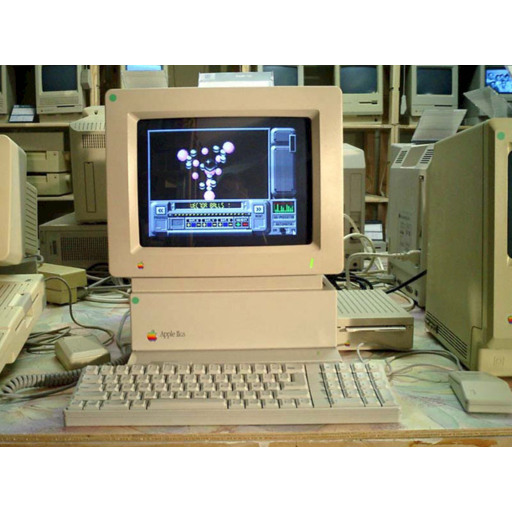
The Apple IIe keyboard was built in to the computer and did away with the numeric keypad.
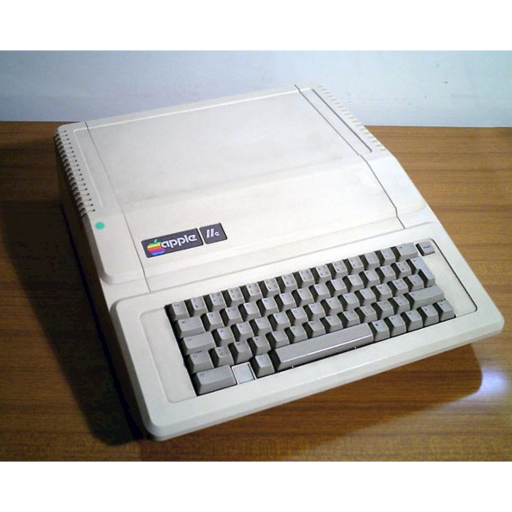
While Lisa won the legendary race between itself and the Macintosh by being the first desktop computer to market with an intuitive GUI, it flopped with the public due to sticker shock at its $10,000 price tag and a lack of software titles.
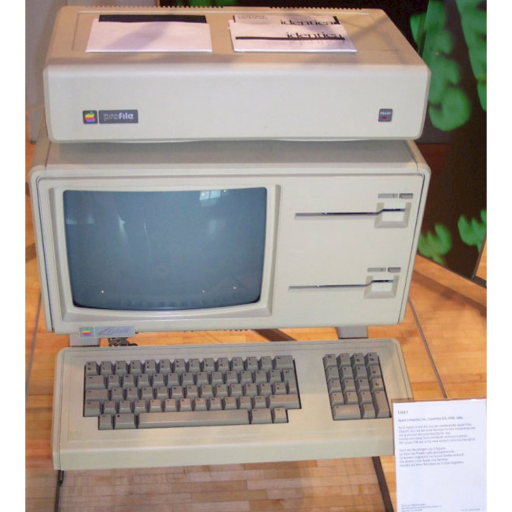
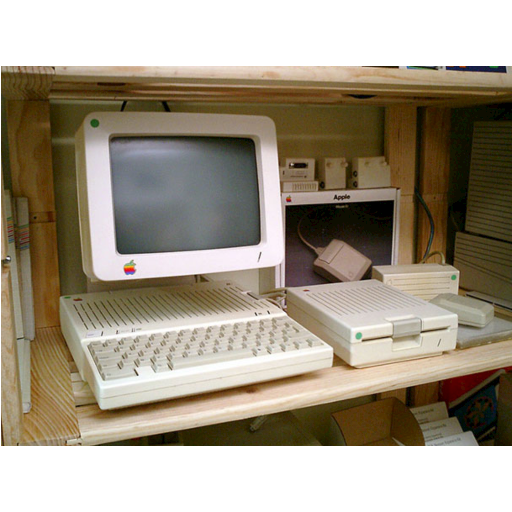
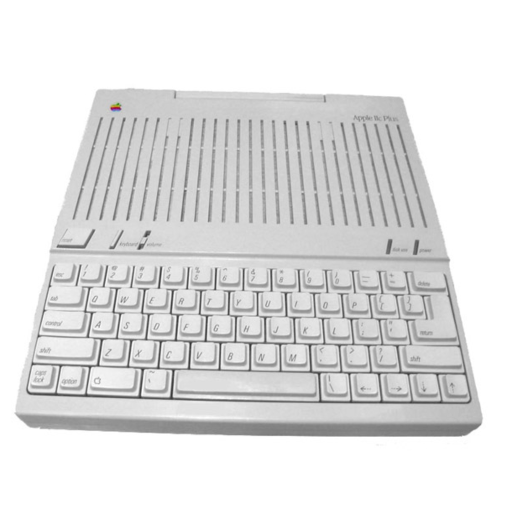
The Apple IIc represented Apple’s first attempt at both a portable computer and “out-of-the-box” functionality. The only problem with classifying the IIc as a “portable” computer is the fact that it lacked a portable power supply.
The Macintosh, for most of us, was the computer that started it all. In the first demonstration of the product at MacWorld, Steve Jobs pulled the very first Macintosh out of the bag and demonstrated product features that most of us take for granted now.
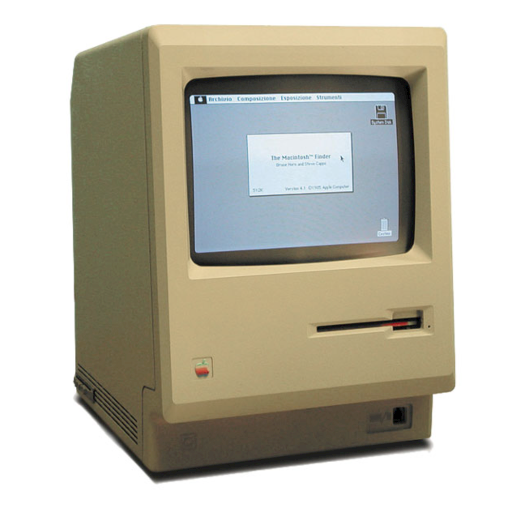
The first 50,000 of these came with Steve Wozniak’s signature silkscreened on the front.
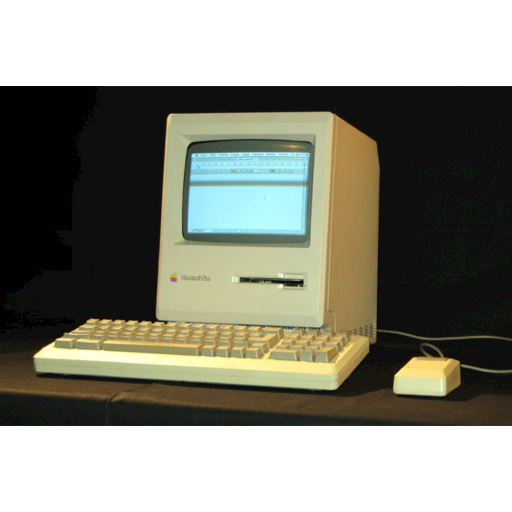
The Plus version of the Macintosh originally featured the same beige colour as the original Macintosh, but in 1987 was changed to the warm gray Platinum colour that would characterize Apple computers for years to come.
Space for an internal hard disk and advanced SCSI support were some of the selling features of the SE.
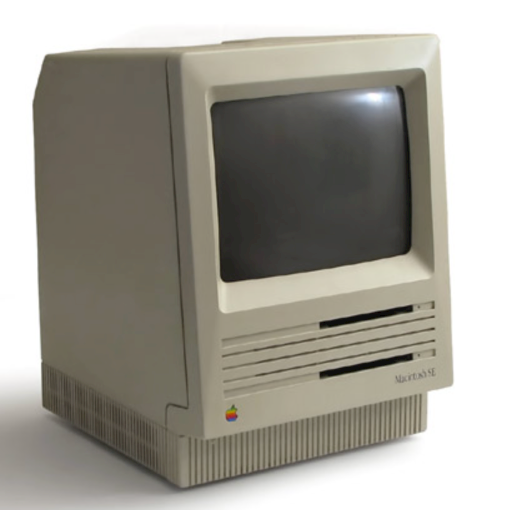
With this model, Apple did away with the 5.25″ floppy in the Apple II line and switched over completely to the 3.5″ floppy.
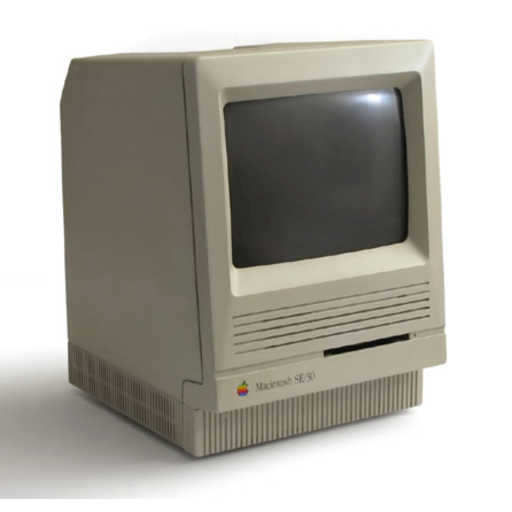
The SE/30 sported the capacity for expandable RAM and a 1.44mb floppy disk drive as standard.
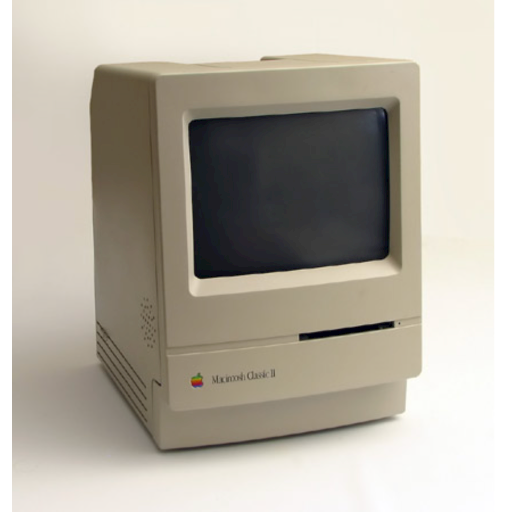
The Classic was an adaptation of Terry Oyama’s and Jerry Oyama’s Macintosh 128K industrial design.
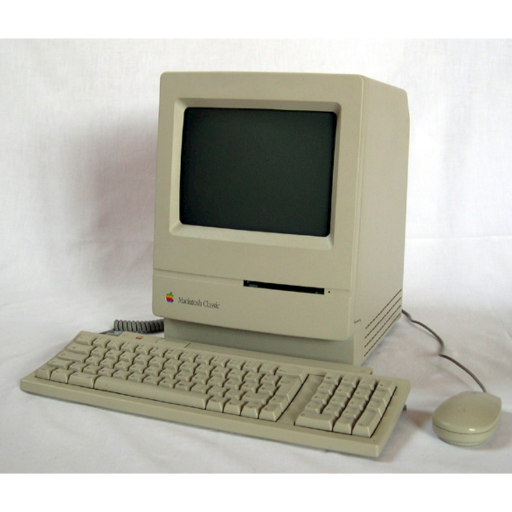
Two cases actually came out for the Classic II. The pictured one has a speaker cutout on the left side for better sound.
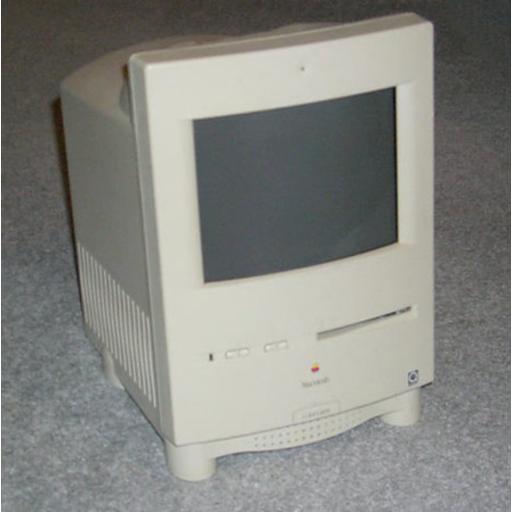
This was the first colour compact Macintosh computer.
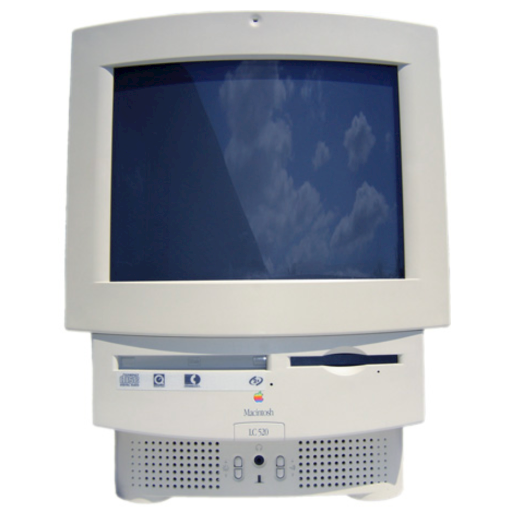
The Apple MacIntosh LC series were sold as Apple’s upper low end computers for the mid 1990’s.
This was one of Apple’s lower moments, featuring severely compromised hardware design.
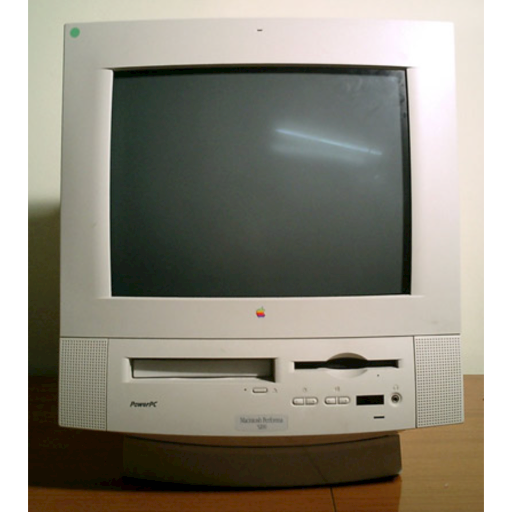
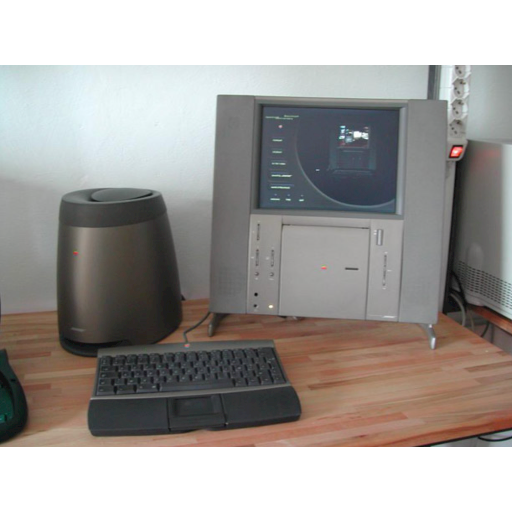
12,000 of these were produced. Apple broke the moulds and didn’t make any more in order to make the product seem more “exclusive”, a strategy that did not help the TAM’s sales numbers.
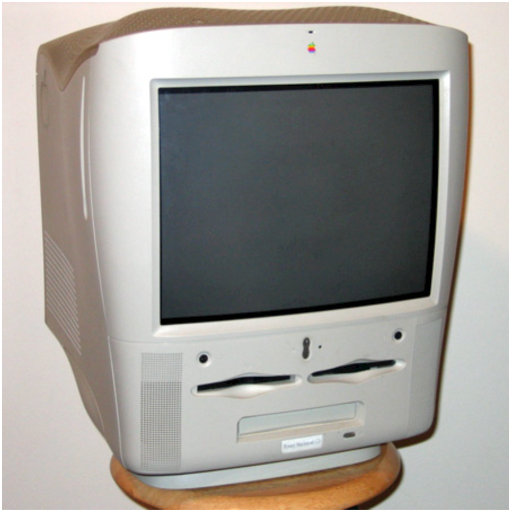
These were sold to the educational market only.
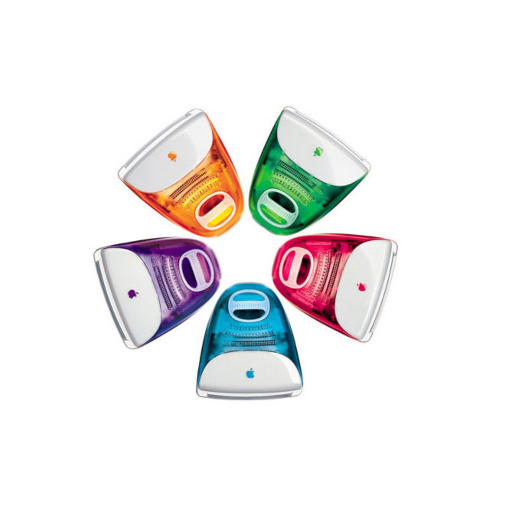
In doing away with the tower and keeping the computing power, Apple completely revolutionized the desktop computer industry. The iMac G3’s were available in a bouquet of various colours. Jonathan Ive, the designer who was later the mastermind of the Cube, designed the iMac G3.
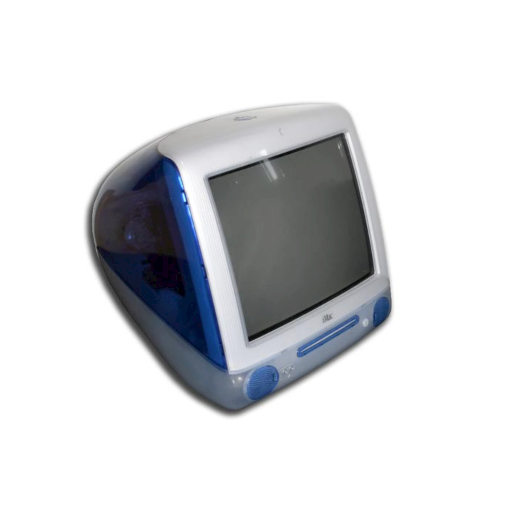
Different colours were eventually added to the original Bondi Blue.
The EMac was made available as a cheaper option to the educational market than the iMac.
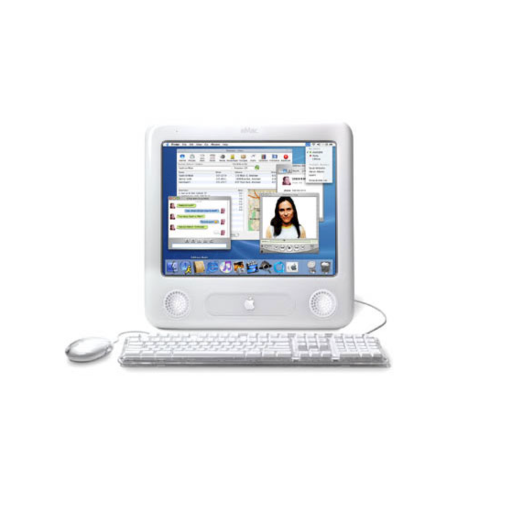
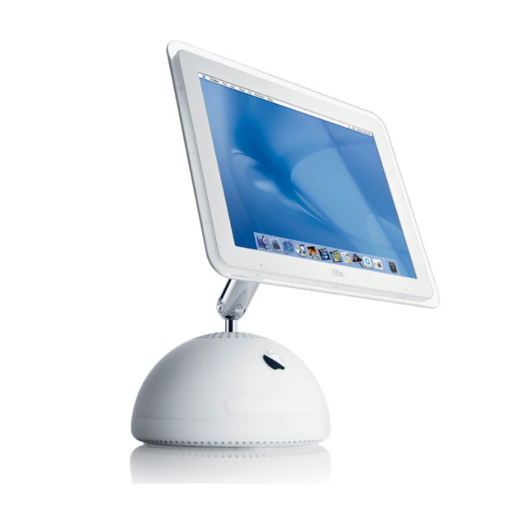
The iMac G4 was produced from 2000-2004 and represents the first iteration of Apple’s desire to “slim down” the components necessary for an out of the box personal computer experience. It was nicknamed the iLamp because of its swiveling monitor.
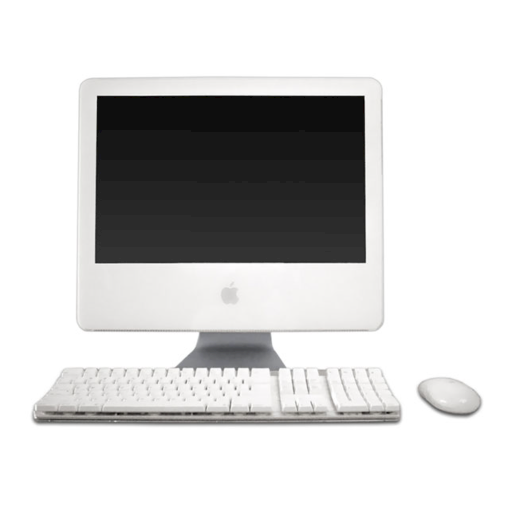
The G5 lacked the swivel functionality of the G4 but introduced the “behind-the-screen” component design principle which characterized future iMac designs.
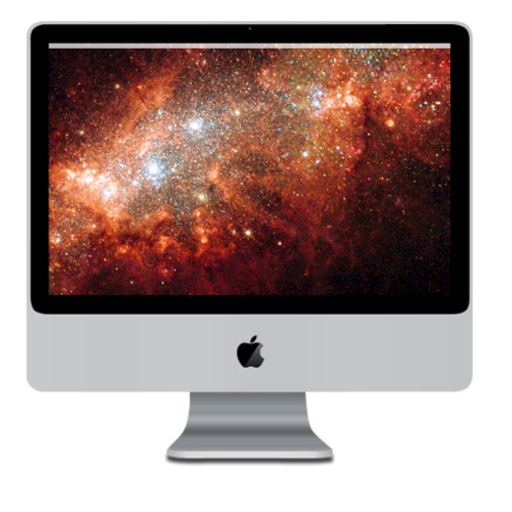
The current iMac models pack all of the components necessary to the operation of a computer behind the monitor in a perfect realization of “slim design”.
This was the first “modular” design computer that Apple put out. All of the rest preceding it had been “all-in-one” models.
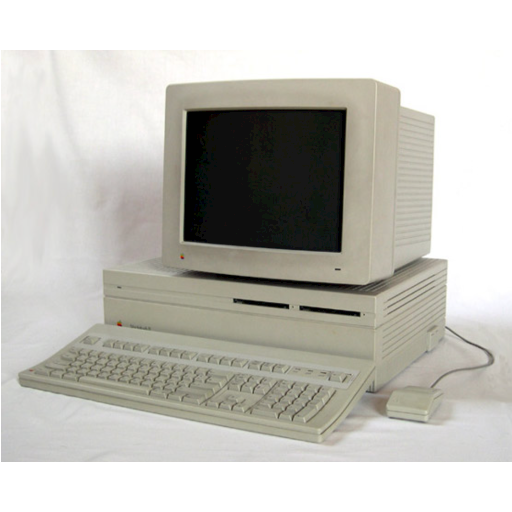
This was simply an update to the Macintosh II. One of its code names was “Spock”.
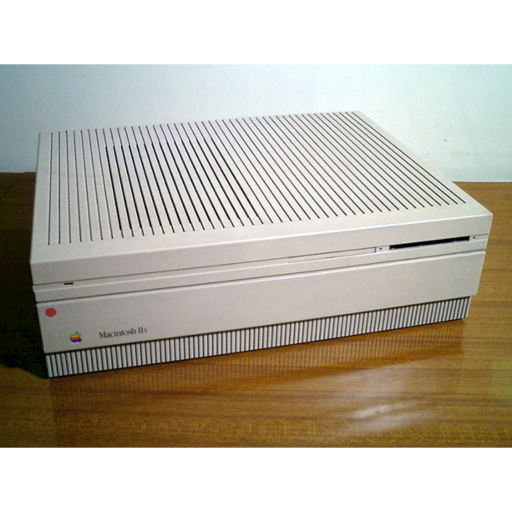
This computer was introduced as the “fastest Mac” and was dubbed “Wicked Fast” by the then Product Manager, Frank Casanova.
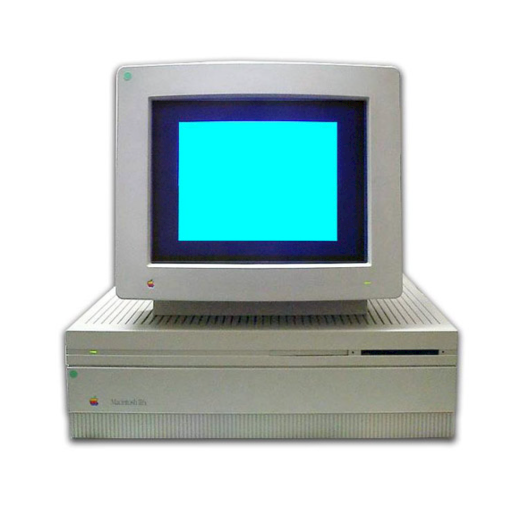
Introduced with the Quadra 900 as the first Apple systems to feature Ethernet networking.
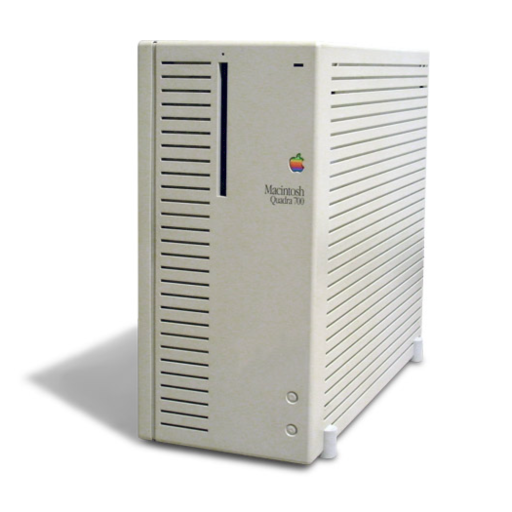
The case on this was smaller and not as accessible as others, earning it the “worst case of all time” title at Low End Mac.
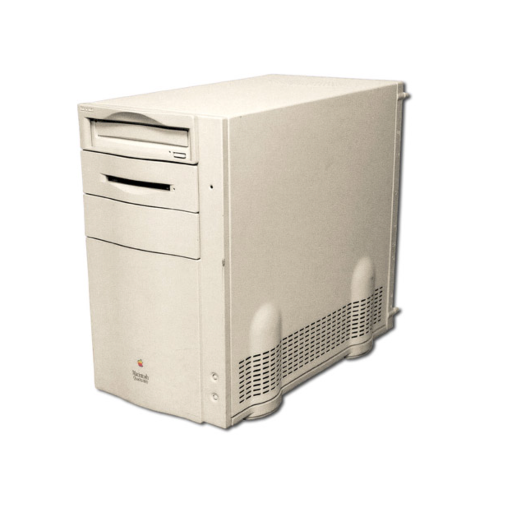
This last entry in the Quadra line featured an IDE drive, a slower yet cheaper replacement for the standard SCSI drives that earlier Quadras contained. This was the last in the Quadra line.
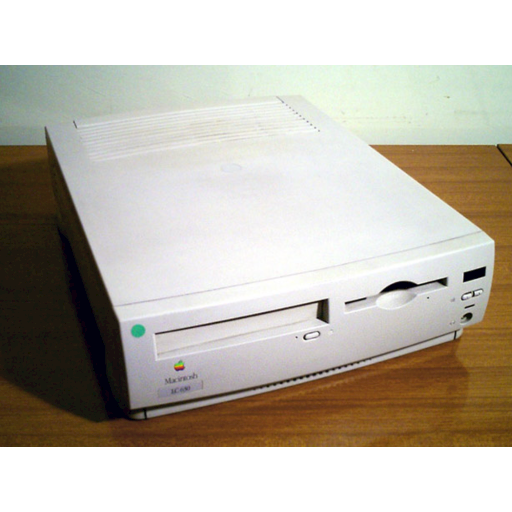
The PowerMac G3 was tested and proven to be the fastest desktop computer of its time by Byte Magazine.
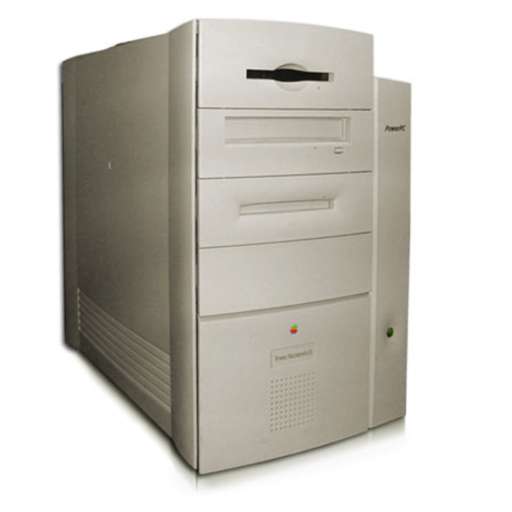
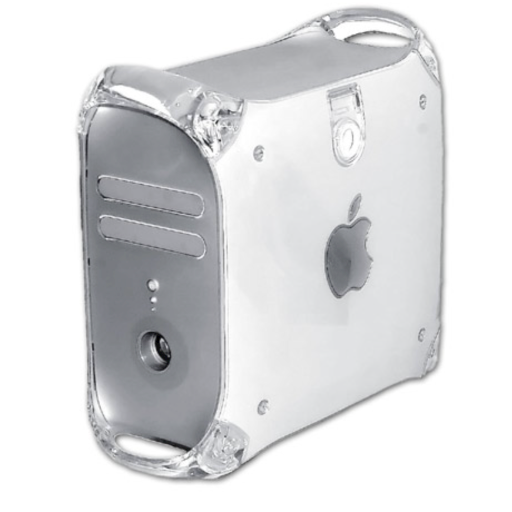
This shared the hardware with its predecessor but little else. The case was redesigned to bring it in line with the new iMac.
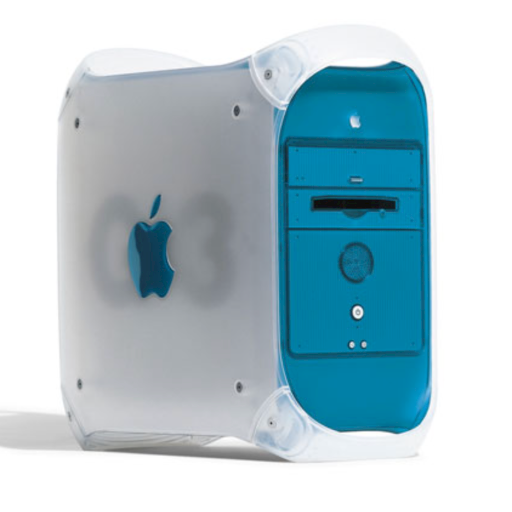
This line was sold by Apple between 1994 and 2006. While the hardware varied between models, they all adhered to the same basic design principles.
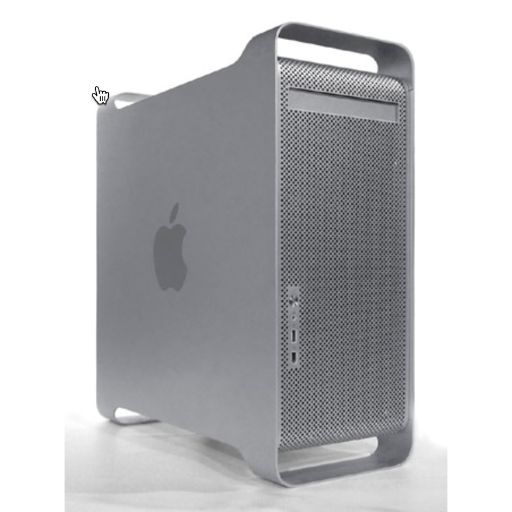
At the time of its launch the Power Mac G5 was touted as the fastest computer ever built.
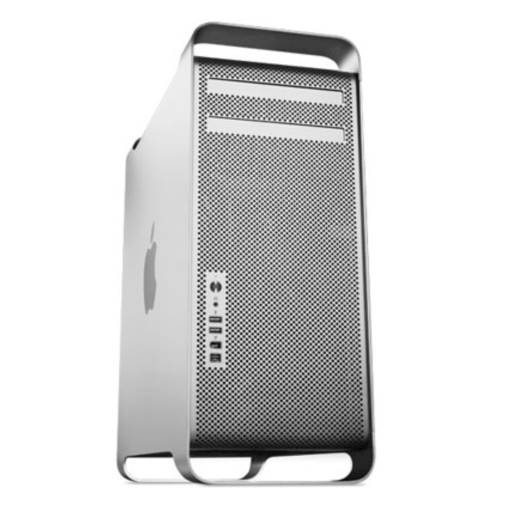
This machine integrated Intel’s 5400 chipset with Xeon microprocessors for a lightning fast processing speed.
- Full access to our public library
- Save favorite books
- Interact with authors
- < BEGINNING
- END >
-
DOWNLOAD
-
LIKE(3)
-
COMMENT()
-
SHARE
-
SAVE
-
BUY THIS BOOK
(from $21.79+) -
BUY THIS BOOK
(from $21.79+) - DOWNLOAD
- LIKE (3)
- COMMENT ()
- SHARE
- SAVE
- Report
-
BUY
-
LIKE(3)
-
COMMENT()
-
SHARE
- Excessive Violence
- Harassment
- Offensive Pictures
- Spelling & Grammar Errors
- Unfinished
- Other Problem






COMMENTS
Click 'X' to report any negative comments. Thanks!