
Member of group 1
- 3 :Jack
- 14:Leo
- 28:Leon
- 30:Annie
- 23:Jeff

- Dinosaurs are a group of reptiles that have lived on Earth for about 245 million years.
- In 1842, the English naturalist Sir Richard Owen coined the term Dinosauria, derived from the Greek deinos, meaning “fearfully great”, and Sauros, meaning “lizard”.
- Dinosaur fossils have been found on all seven continents.
- All non-avian dinosaurs went extinct about 66 million years ago.
- There are roughly 700 known species of extinct dinosaurs.
- Modern birds are a kind of dinosaur because they share a common ancestor with non-avian dinosaurs.


Everything we know about non-avian dinosaurs is based on fossils, which include bones, teeth, footprints, tracks, eggs, and skin impressions. For centuries, people throughout the world have discovered amazing fossilized bones and footprints. Early finds inspired legends and fairy tales, as people imagined that these bones belonged to giants or huge monsters.


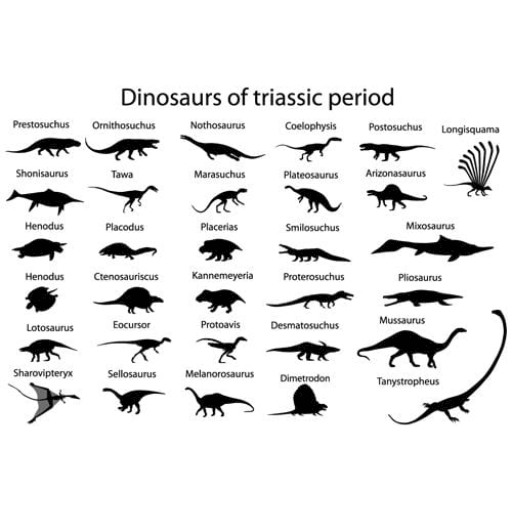
- The earliest known dinosaurs appeared during the Triassic Period (approximately 250 to 200 million years ago). Dinosaurs evolved into a very diverse group of animals with a vast array of physical features, including modern birds.
- Contrary to what many people think, not all dinosaurs lived during the same geological period. Stegosaurus, for example, lived during the Late Jurassic Period, about 150 million years ago. Tyrannosaurus rex lived during the Late Cretaceous Period, about 72 million years ago. Stegosaurus was extinct for 66 million years before Tyrannosaurus walked on Earth.
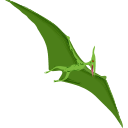
- There are several theories as to what may have contributed to the mass extinction of non-avian dinosaurs and other species at the end of the Cretaceous Period. It is certain that a massive asteroid or comet struck Earth during this time, causing a dramatic shift in Earth’s climate.
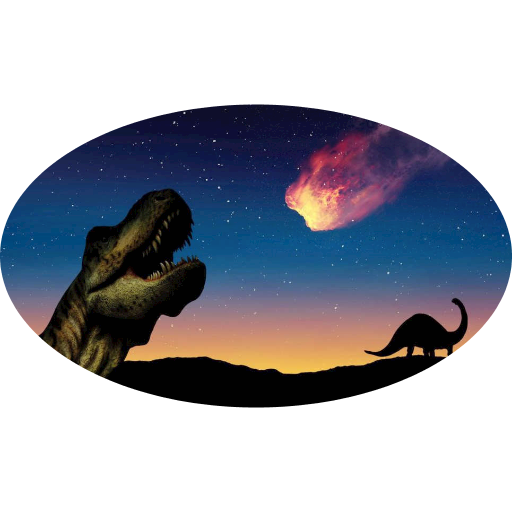
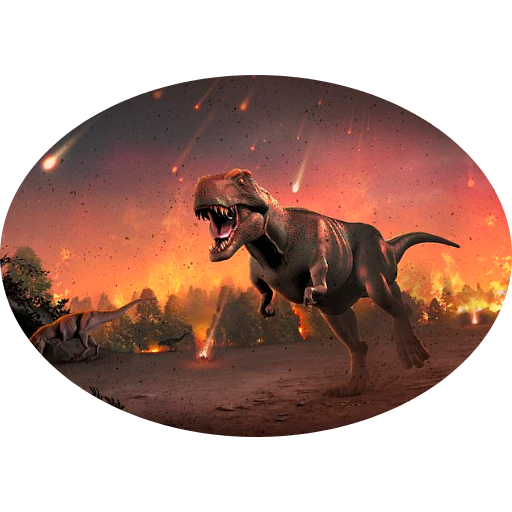
- Some scientists speculate that this impact had catastrophic consequences for life on Earth. But other factors, including changing sea levels and large-scale volcanic activity, may also have played a significant role in this mass extinction.
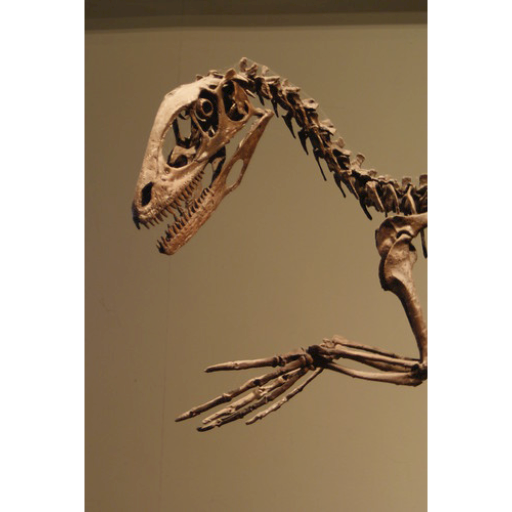
- Paleontologists use fossil evidence preserved in ancient rock to discover how long-extinct animals lived and behaved.
- In most cases, a fossilized bone is actually a rock made out of minerals, with no trace of the original bone material.
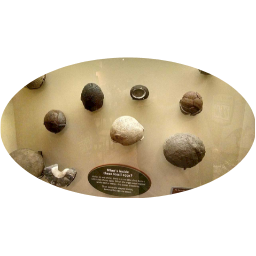
- The discovery of dinosaur eggs and nests provided evidence for the behavior of some dinosaurs.
- To discover how organisms lived in the past, paleontologists look for clues preserved in ancient rocks—the fossilized bones, teeth, eggs, footprints, teeth marks, leaves, and even dung of ancient organisms.
Dinosaur bones
- Fossilized jaws, teeth, and dung provide important clues about what non-avian dinosaurs ate.
- Series of fossilized footprints, called trackways, reveal some intriguing evidence about dinosaur behavior and locomotion.
- Until recently it was believed that feathers were unique to birds. Recent discoveries, however, have unearthed evidence for feathered non-avian dinosaurs.
Dinosaur egg Fossils
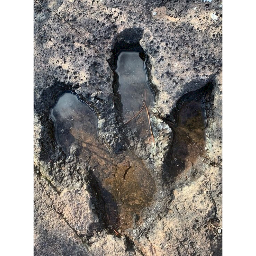
Dinosaur footprints
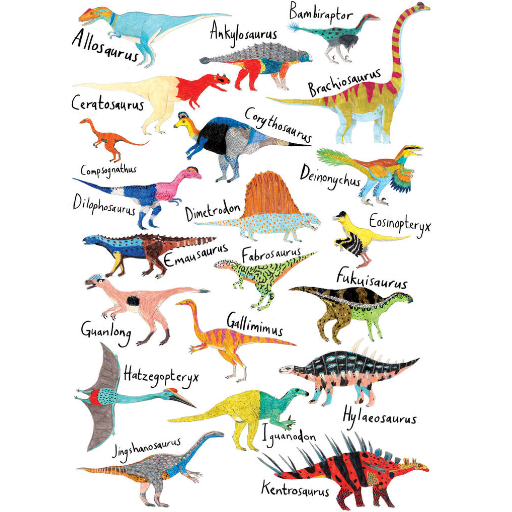
III. Some popular types of dinosaurs.
1. Tyrannosaurus rex often called T. rex
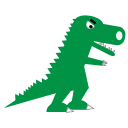
* Named the “king of the tyrant lizards,” T. rex was built to rule. Find out how these dinosaurs lived, what made them so vicious, and what we’re still learning about them today.
- Tyrannosaurus rex was one of the most ferocious predators to ever walk the Earth. With a massive body, sharp teeth, and jaws so powerful they could crush a car, this famous carnivore dominated the forested river valleys in western North America during the late Cretaceous period, 68 million years ago.
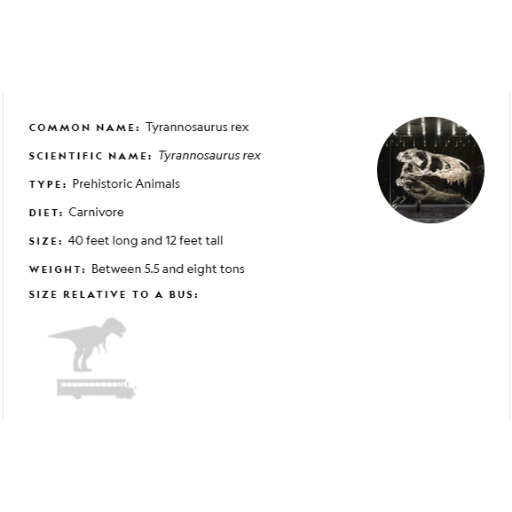
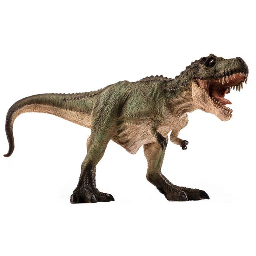
- This dinosaur’s muscular body stretched as long as 40 feet—about the size of a school bus—from its snout to the tip of its powerful tail. Weighing up to eight tons, T. rex stomped headfirst across its territory on two strong legs. These dinosaurs likely preyed on living animals and scavenged carcasses—and sometimes they even ate one another.
- And while they had strong thighs, these dinosaurs were not speedy. They could only walk briskly at up to 12 miles an hour—likely not fast enough to chase a speeding Jeep, as depicted in the movie Jurassic Park. Using biomechanical models, scientists have theorized that if these heavy animals moved any faster, they would have shattered the bones in their feet.
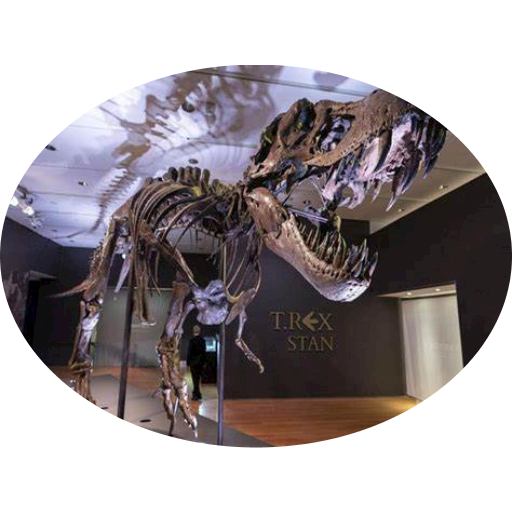
* SUE
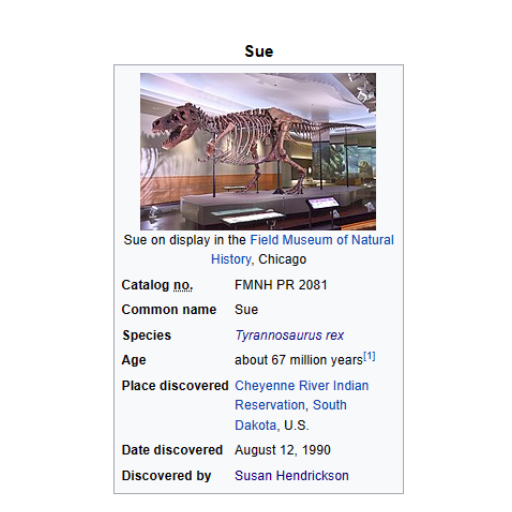
- Sue is the nickname, which is one of the largest, most extensive, and best preserved Tyrannosaurus rex specimens ever found, at over 90 percent recovered by bulk. It was discovered on August 12,1990, by Sue Hendrickson, an explorer and fossil collector, and was named after her.
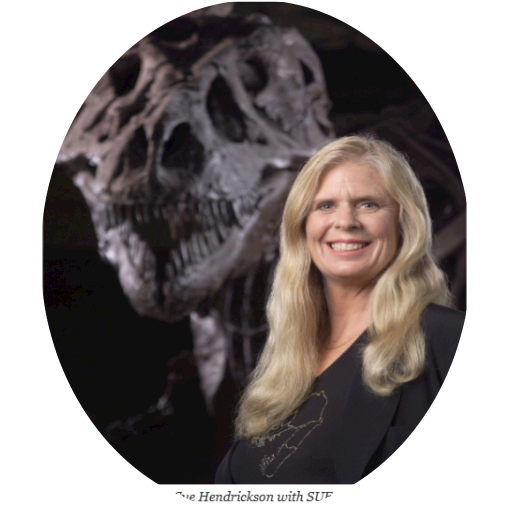
Sue Hendrickson with SUE
Fossil T-Rex
2. Triceratops
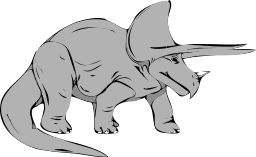
Triceratops, which is Latin for "three-horned face", was among the last non-avian dinosaurs to evolve before the cataclysmic extinction event that occurred 66 million years ago. With its three sharp horns and spiky head plate, Triceratops horridus must have been an intimidating presence as it trampled across western North America in the late Cretaceous period, some 69 million years ago. Despite its fierce appearance, this famous ceratopsian, or horned dinosaur, was an herbivore.
Triceratops may have been one of the most common dinosaurs in the North American West at the time of Tyrannosaurus rex. These dinosaurs are often pictured traveling in large groups, but the biggest gathering of Triceratops ever found consisted of three youngsters.
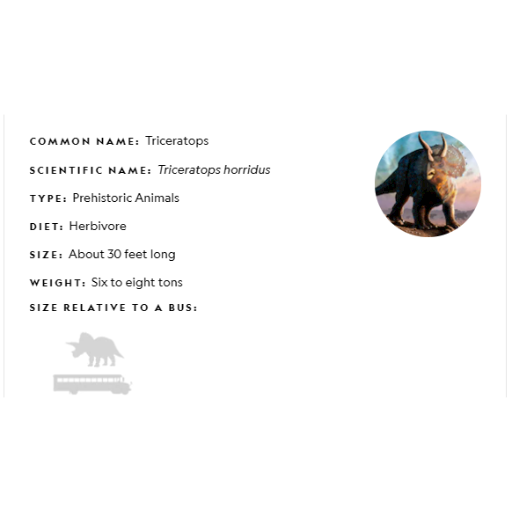
No species of Triceratops lived much longer than that. Sixty-six million years ago - about three million years after the dinosaur first appeared - a 7.5-mile-wide asteroid slammed into Mexico’s Yucatan Peninsula. The subsequent environmental catastrophe killed off more than three-quarters of all species on the planet, including Triceratops and its fellow non-avian dinosaurs.
* Fossil
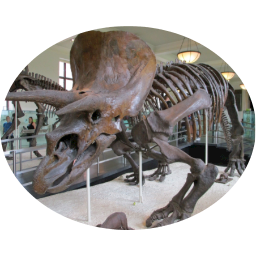
Fossils of Triceratops
3. Stegosaurus
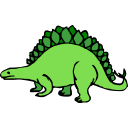
Stegosaurus mean "roof-lizard" is a genus of herbivorous, four-legged, stegosaurian dinosaur from the Late Jurassic, characterized by the distinctive kite-shaped upright plates along their backs and spikes on their tails. Fossils of this dinosaur have been found in the western United States and in Portugal. These were large, heavily built, herbivorous quadrupeds with rounded backs, short forelimbs, long hind limbs, and tails held high in the air. Due to their distinctive combination of broad, upright plates and tail tipped with spike.
- Full access to our public library
- Save favorite books
- Interact with authors
Thanks for reading
- < BEGINNING
- END >
-
DOWNLOAD
-
LIKE(3)
-
COMMENT()
-
SHARE
-
SAVE
-
BUY THIS BOOK
(from $6.39+) -
BUY THIS BOOK
(from $6.39+) - DOWNLOAD
- LIKE (3)
- COMMENT ()
- SHARE
- SAVE
- Report
-
BUY
-
LIKE(3)
-
COMMENT()
-
SHARE
- Excessive Violence
- Harassment
- Offensive Pictures
- Spelling & Grammar Errors
- Unfinished
- Other Problem





COMMENTS
Click 'X' to report any negative comments. Thanks!