
Agricultural Revolution
8000 BC - 1000 BC
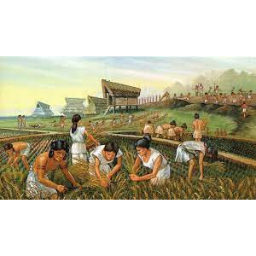
People were settling into communities and many were prospering during this time due to an increase in nutrients food, and quality.
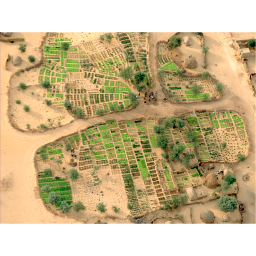
The border of North and Central Africa was the main point of the Agricultural Revolution in Africa.
The first phase was people learned how to farm and began using vegeculture and agriculture. The second phase involved growing cereal crops, like grains, which became very successful and spread throughout Africa. The third phase involved an increase in the amount of food produced and the quality.

This is sorghum and pearl millet. They are grains that were grown during the agricultural revolution in the Shel Desert, part of Eastern and Central Africa. They prospered in the African climate.
2000 BC - 1500 BC
The Bantu people migrated from West Africa. They moved throughout sub-Saharan Africa fast and spread their knowledge in agriculture and iron smelting. They were able to prosper due to their great ability as farmers. Hunter-gather groups joined them as they moved. Different Bantu groups became spread out throughout Central Africa.
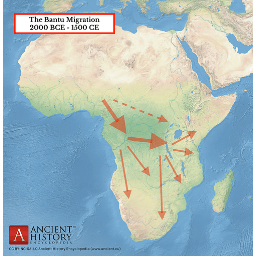
Bantu Migration
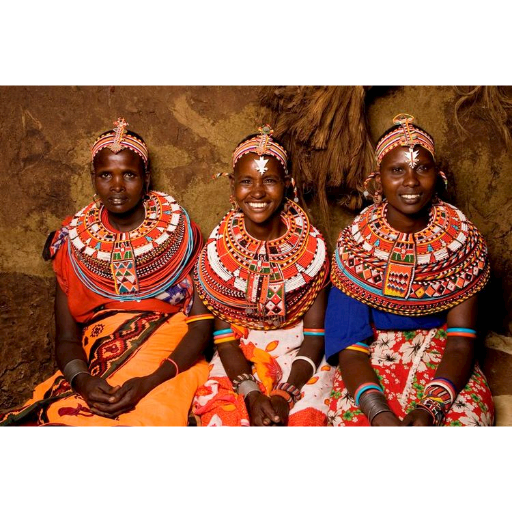
The Bantu people shared a common language but they did not share the same culture. As they migrated, they absorbed some of the cultures from other groups they interacted with.

One of the Bantu groups called Kuba, created masks. They were carved from wood and decorated. They wore these masks in rituals and ceremonies. The masks are decorated with meaning. For example, they may have shells that symbolize wealth.

Their migration contributed to advanced technologies and advanced cities. Cultural diffusion happened as they moved from West Africa through East and Central Africa and interacted with other groups. They spread iron-smelting and smithing technology, pottery techniques, and agriculture tools and techniques. Their technologies combined with other groups they came across, creating even more advanced technologies. They helped other nomadic tribes
create advanced cities by providing them with
more knowledge and better technologies.
Geography shaped the Bantu by forcing them to migrate. It is believed that they may have overused their natural resources and did not have enough left to sustain so they were forced to move. A change in climate may have affected their crops and made it difficult to farm, also causing them to migrate.
Rise and Fall of the Aksumite Empire
1st Century - 7th Century CE
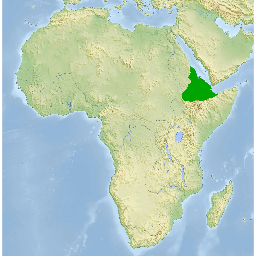
The land had been occupied since the Stone Age, but during the 1st century, the Kingdom of Aksum began to rise. This was due to prosperous farming, plentiful resources, reliable rain, and trade. They were part of a large trade network with Egypt, Southern Arabia, and East Africa that they largely benefited from.
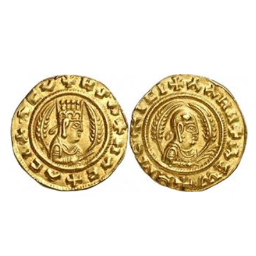
These are coins from the Aksumite Empire. One reason the empire was able to rise is it was a trading center. They imported gold from the trades which allowed them to make these coins and become wealthy.
One reason the empire fell is the overuse of the land and its resources. Also, Muslim Arab traders were competing against them for trade routes. Another reason for the decline was due to Bedja herders who were invading parts of the empire. All of this led to the decline and eventual decline of the Aksumite Empire.
Transatlantic Slave Trade
Mid 15th Century - 19th Century
The transatlantic slave trade was the beginning of globalization. Countries explored Africa, traded goods for slaves, and used them for labor in their new colonies around the world.
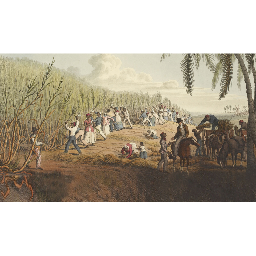
Europeans wanted a workforce in the New World because they had lots of plantations. They tried using the natives as slaves but it didn’t work out so they turned to Africans.
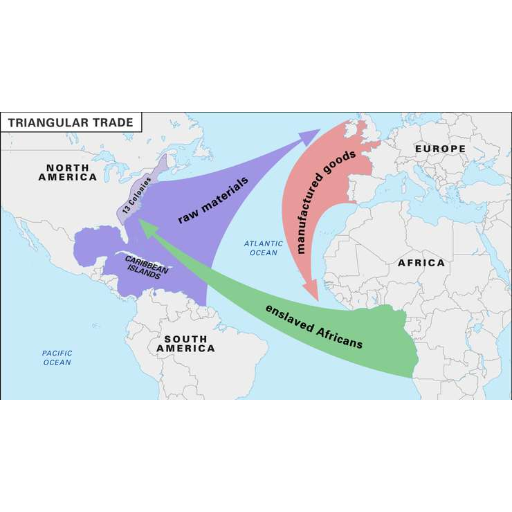
In Triangular Trade, finished goods from Europe were traded for African slaves, they were brought to the Americas, raw materials were produced there and brought back to Europe.
The horrible conditions began on the voyage over. Diseases and malnutrition were prevalent, many died.
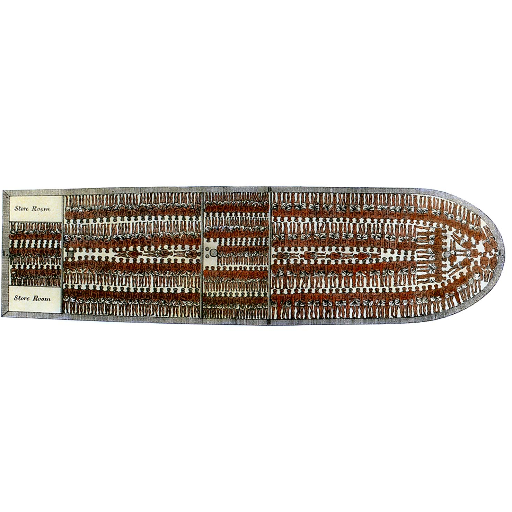
This is what the ships looked like while transporting slaves from Africa to the Americas
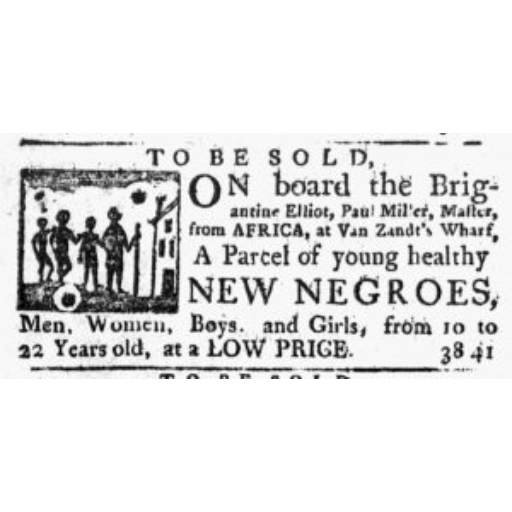
When they got there, most went to Brazil, the Caribbean, and the Spanish Empire to work as slaves in plantations and mines.
This is an ad for slaves in the New York Journal newspaper from August 2, 1770. It is advertising healthy people ages 10 to 22 from Africa. It says they are for sale at a low price.
Angolo-Zulu War
January - July 1879
This war is related to imperialism because it happened as a result of imperialism. The British were trying to imperialize Africa, so the Zulus resisted and fought this war.
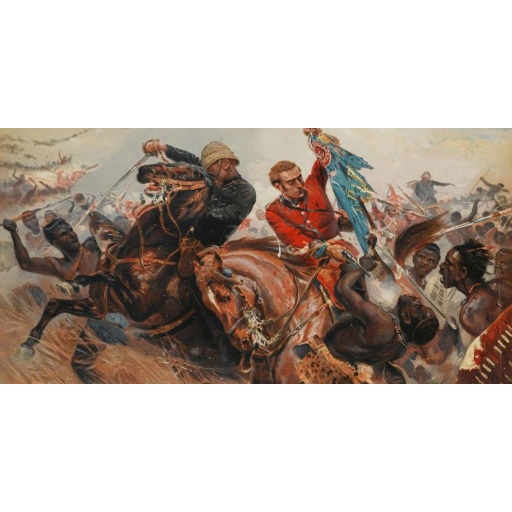
The British wanted to imperialize Zulu for the resources because they had diamond fields and could use the natives for labor. King of the Zulus, Cetshwayo, decided to fight against imperialism and the British, so he made an army. The British made an ultimatum which he did not meet, so British troops invaded. This started the Anglo-Zulu War.
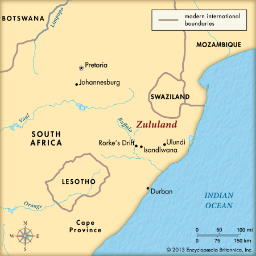
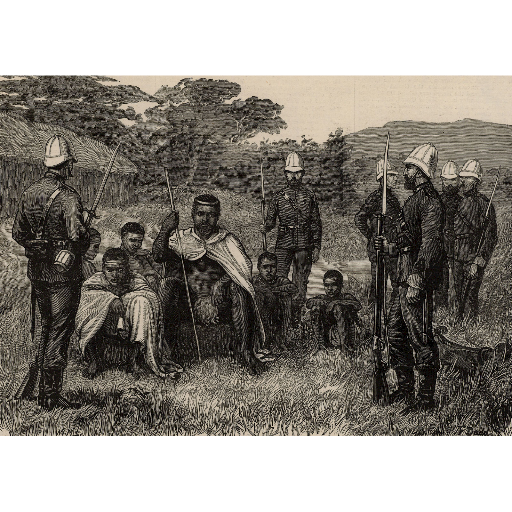
The Zulu won the Battles of Isandlwana. Then the British beat the Zulus in multiple battles, and eventually defeated them. Cetshwayo was captured and they
had to succumb to the British. The Zulu monarchy was stopped, the land was divided, and it was claimed by Britain. Cetshwayo’s things were taken and he was removed.
Due to the lack of a monarchy, a civil war started. The British tried to fix it by returning Cetshwayo but it didn’t work. Zululand officially became a British territory in 1887.
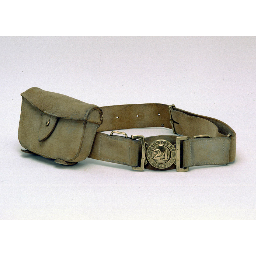
This is a waist belt that the King of Zulu, Cetshwayo, owned. It was taken from him when he was captured by British forces. The capture of Cetshwayo ended the Anglo-Zulu War. Britain won and was able to fully imperialize Zululand.
Colonization of Rwanda
June 1919 - July 1962
Africa had no say in the making of the Treaty of Versailles. Rwanda was a German colony but Belgium gained control of it due to the mandate from the League of Nations. This was put into place by the Treaty of Versailles after WWI.
Article 247 of the Treaty of Versailles states, “Germany undertakes to deliver to Belgium, through the Reparation Commission” This statement gives Germany’s colonies, including Rwanda, to Belgium.
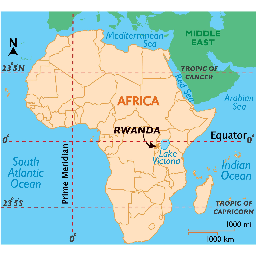
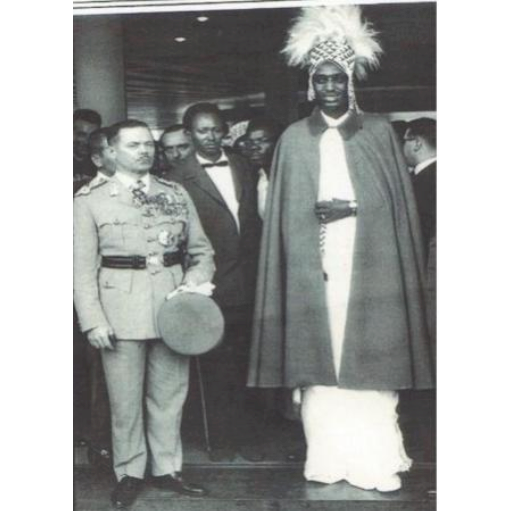
Belgium heavily influenced Rwanda and what it is today. It fast-tracked economic and political changes. Belgians had very racist attitudes towards the different ethnic groups which left a lasting effect on the country.
Great Depression in South Africa
August 1929 - March 1933
South Africa faced a fall in the demand for minerals and agriculture. The agriculture industry was hit hard and farms couldn’t afford mortgages. Also, the depression was part of the reason why the National party split into
two. The government raised taxes to help the country with bankruptcy but it made the citizens, not like the government.
This graph shows the gold prices through the Great Depression. It shows that the gold prices quickly rose towards the middle of the depression.

Exporting gold helped South Africa get through the great depression. Gold rose in value because a lot of investors wanted it.
- Full access to our public library
- Save favorite books
- Interact with authors
- < BEGINNING
- END >
-
DOWNLOAD
-
LIKE
-
COMMENT()
-
SHARE
-
SAVE
-
BUY THIS BOOK
(from $6.39+) -
BUY THIS BOOK
(from $6.39+) - DOWNLOAD
- LIKE
- COMMENT ()
- SHARE
- SAVE
- Report
-
BUY
-
LIKE
-
COMMENT()
-
SHARE
- Excessive Violence
- Harassment
- Offensive Pictures
- Spelling & Grammar Errors
- Unfinished
- Other Problem






COMMENTS
Click 'X' to report any negative comments. Thanks!