

STEM is a common phrase in the field of education. It stands for science, technology, engineering, and mathematics and is very common in the United States. The goal of STEM Education is to help students realize their talents in these fields and become great problem-solvers in and out of the classroom.



SCIENCE
TECHNOLOGY
ENGINEERING
MATH
This acronym was created by Dr. Judith Ramaley in 2001. She worked for the National Science Foundation, which had first advertised the program as SMET (science, math, engineering, and technology). Before we get there, though, it is important to note how STEM has been part of our country's educational and social history in many ways before "STEM" became its name and was formally understood.
Click the audio button to learn more about what else Ramaley has done in her career!

Dr. Judith Ramaley
In 1862, the Morrill Act (named after Congressman Justin Smith Morrill) was passed. In it, the concept of and funding for land-grant universities were established. This meant (and still means!) affiliated universities, like NC State, worked to help improve agriculture and civil life through educational programs and partnerships.
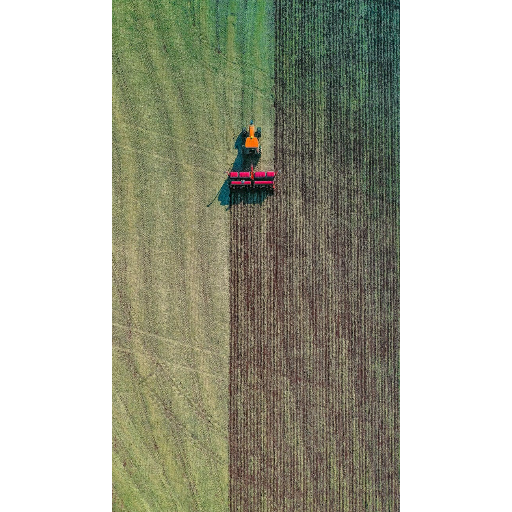

Congressman Justin Smith Morrill
In the early and mid-1900s, tensions around the world caused the United States to work focus on advancing military and business tools. During World War II, improvements in transportation, technology, and atomic weaponry were supported by the expertise of scientific and academic leaders at the time, which helped people see the importance of promoting education.
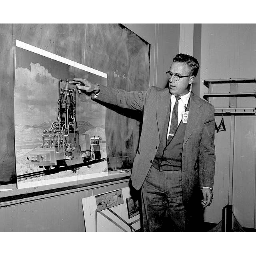

Click the audio button to hear more about the project the picture on the bottom right is from!
During the Cold War, the United States continued to rely on this knowledge as they battled Russia in the Space Race. The United States directed lots of resources to aerospace technology and engineering, which led to the creation of NASA and eventually the 1969 moon landing. These high hopes for improvement were especially emphasized by President Kennedy and other national leaders, which led to similar trends in education so that these efforts would be built upon by future generations.
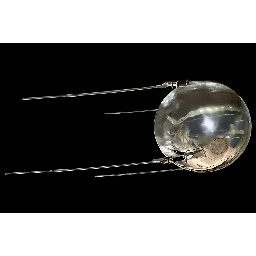
Russia's "Sputnik" Satellite
In the late 1900s, people continued to see the benefits of giving time and resources to scientific and technological initiatives because of the development of luxuries like personal computers. As people started to adopt these technologies, more tools were introduced into schools too, such as the ELMO document camera, which greatly increased the effectiveness and ease of instruction, providing a more collaborative classroom environment, which is an essential component of STEM Education today.
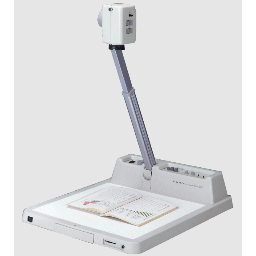
ELMO Document Camera
Although the United States had made lots of progress technologically and scientifically by the turn of the twenty-first century because of how motivated people had become to accomplish this, many continued pushing for more advancements in science, technology, and education. As a result, the National Science Foundation created STEM as a field within education to help teach students how to problem-solve and hopefully develop interest in a growing part of American society. This curriculum quickly gained popularity over the past two decades.

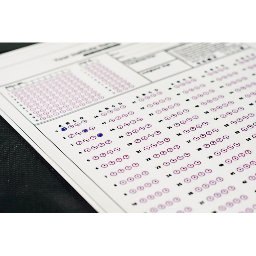
Multiple federal acts have been passed to ensure STEM Education kept evolving as a concept and supporting technology, science, and, overall, society. However, these acts had varying levels of success. For example, the No Child Left Behind Act (NCLB) from 2002 started a focus on testing to make sure that students were learning necessary academic skills. However, it was not as helpful to our education system as anticipated, and therefore acts passed since have approached the topic differently, though standardized testing is still part of our education system today.

- Full access to our public library
- Save favorite books
- Interact with authors
- < BEGINNING
- END >
-
DOWNLOAD
-
LIKE
-
COMMENT()
-
SHARE
-
SAVE
-
BUY THIS BOOK
(from $2.99+) -
BUY THIS BOOK
(from $2.99+) - DOWNLOAD
- LIKE
- COMMENT ()
- SHARE
- SAVE
- Report
-
BUY
-
LIKE
-
COMMENT()
-
SHARE
- Excessive Violence
- Harassment
- Offensive Pictures
- Spelling & Grammar Errors
- Unfinished
- Other Problem





COMMENTS
Click 'X' to report any negative comments. Thanks!