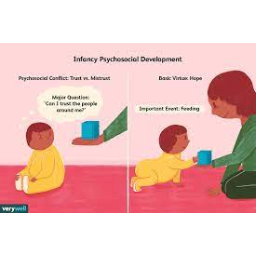
The trust versus mistrust stage is the first stage of psychologist Erik Erikson's theory of psychosocial development. This stage begins at birth and lasts until your child is around 18 months old.
Trust versus Mistrust

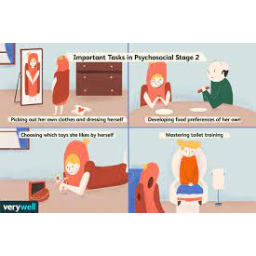
Autonomy versus shame and doubt is the second stage of Erik Erikson's stages of psychosocial development. This stage occurs between the ages of 18 months to around age 2 or 3 years. According to Erikson, children at this stage are focused on developing a greater sense of self-control.
Autonomy versus Shame and Doubt

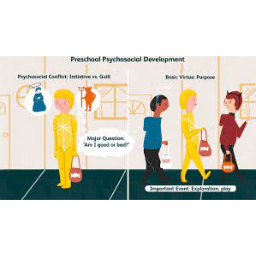
Initiative versus guilt is the third stage of Erik Erikson's theory of psychosocial development. During the initiative versus guilt stage, children assert themselves more frequently through directing play and other social interaction. These are particularly lively, rapid-developing years in a child's life.

Initiative versus Guilt
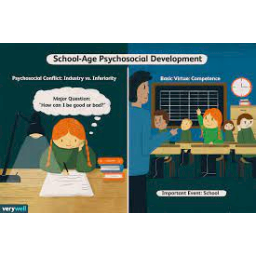
During the industry versus inferiority stage, children become capable of performing increasingly complex tasks. As a result, they strive to master new skills. Children who are encouraged and commended by parents and teachers develop a feeling of competence and belief in their abilities.

Industry versus Inferiority
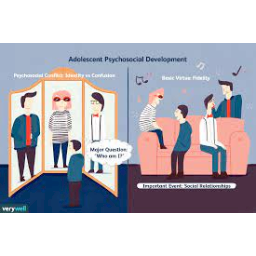
Identity versus confusion is the fifth stage of ego in psychologist Erik Erikson's theory of psychosocial development. This stage occurs during adolescence between the ages of approximately 12 and 18. During this stage, adolescents explore their independence and develop a sense of self.

Identity versus Role Confusion
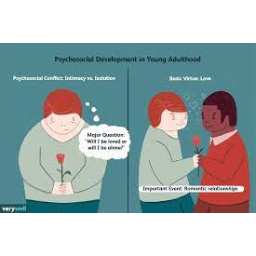
Intimacy versus isolation is the sixth stage of Erik Erikson's theory of psychosocial development. This stage takes place during young adulthood between the ages of approximately 18 to 40 yrs. During this stage, the major conflict centers on forming intimate, loving relationships with other people.

Intimacy versus Isolation
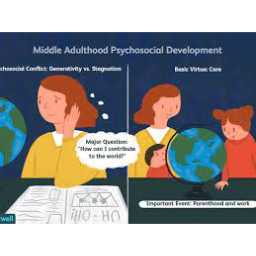
Generativity versus stagnation is the seventh stage of Erik Erikson's theory of psychosocial development. This stage takes place during middle adulthood, between the approximate ages of 40 and 65.

Generativity versus Stagnation
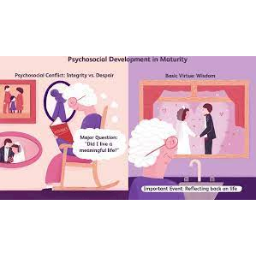
During the integrity versus despair stage, people reflect back on the life they have lived and come away with either a sense of fulfillment from a life well lived or a sense of regret and despair over a life misspent.

Integrity versus Despair
- Full access to our public library
- Save favorite books
- Interact with authors

- < BEGINNING
- END >
-
DOWNLOAD
-
LIKE
-
COMMENT()
-
SHARE
-
SAVE
-
BUY THIS BOOK
(from $2.99+) -
BUY THIS BOOK
(from $2.99+) - DOWNLOAD
- LIKE
- COMMENT ()
- SHARE
- SAVE
- Report
-
BUY
-
LIKE
-
COMMENT()
-
SHARE
- Excessive Violence
- Harassment
- Offensive Pictures
- Spelling & Grammar Errors
- Unfinished
- Other Problem

COMMENTS
Click 'X' to report any negative comments. Thanks!