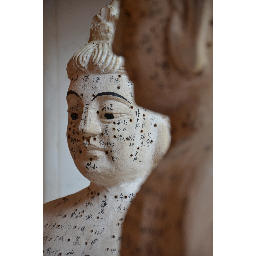

is for Acupuncture.
In ancient China, they would use thin needles as medicine! Doctors would stick these needles in certain areas of a sick person and they would feel better.


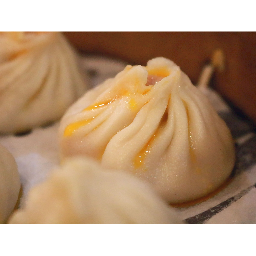
is for Bao.
Bao are tasty pork stuffed buns. They were created to appease a river god in an old Chinese legend. To cross the river gods bridge he demanded tasty delicacies to be tossed in the water.


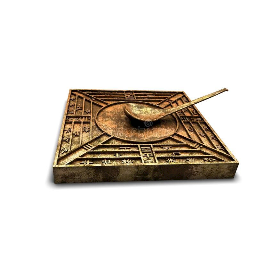
is for Compass.

Compasses were invented in China in 1000 A.D. They used it to guide how they built their homes and sailors used compasses to guide them in long travels.


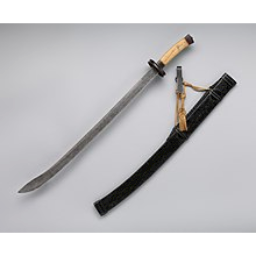
is for Dao.

A Chinese sword! Created in the Shang Dynasty, Dao were slender blades that were very sharp and took great skill to wield.


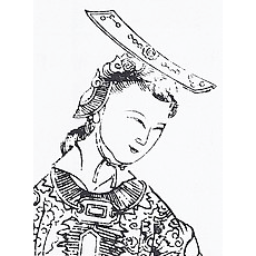
is for Empress.

In ancient China, Empresses and Emperors ruled over everyone and made laws. There has only been one Chinese Empress! She was called Wu Zetian, and during her reign she made many great changes and improvements to China.


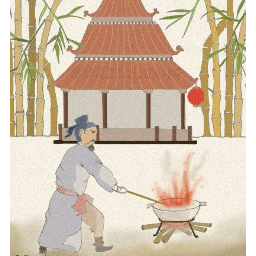
is for Fireworks.

During 600-900 AD a Chinese alchemist made fireworks by accident! They were then used to ward off evil monsters and during celebrations.


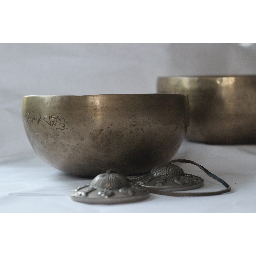
is for Gong.

Gongs were invented in the 6th century. As an instrument the gong was used on many occasions most often, during plays or to announce an important person coming your way.


is for Huli jing.

A Huli jing is a nine-tailed fox spirit in Chinese mythology. Although in some stories they are described as troublemakers and tricksters. Often the foxes would transform into humans and were harmless to the villagers.


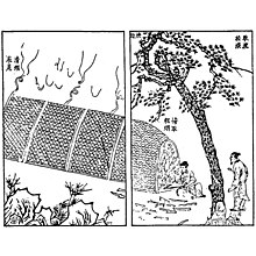
is for Ink.

Ink was created in the 3rd millennium BC in China, it was crafted from soot and glue ground in a mortar and pestle.


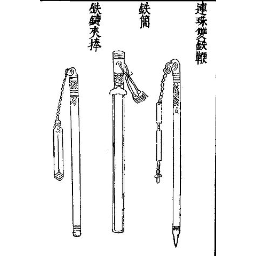
is for Jian.

This ancient weapon was used to break swords in battle! The name Jian even means sword-breaker.


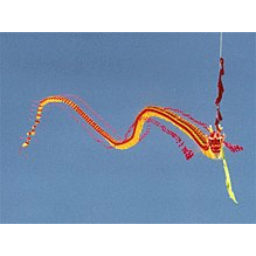
is for Kite.

Kites were made thousands of years ago from silk and bamboo. They were often used in festivals and took the shape of birds, dragons and butterfly's.


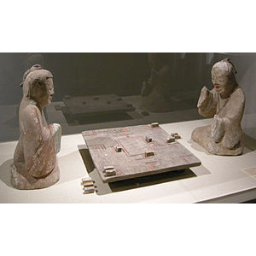
is for Liubo.

This was a popular game during the Han dynasty. The name Luibo means six sticks in English. It had two players and each player had six pieces to move around the board.


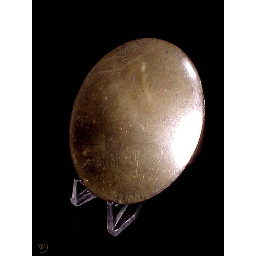
is for Mirrors.

Originally created in China many years ago, mirrors were made from polished bronze!


is for Nian.

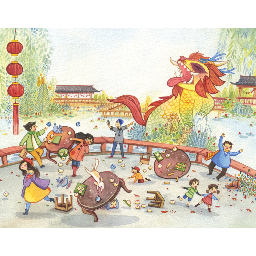
Nian translates to new year in English and is a beast that used to chase villagers and scare them. Eventually the villagers learned how to keep him away. Nian was scared of red and loud noises! Every year we still keep Nian away while celebrating Chinese New Year.


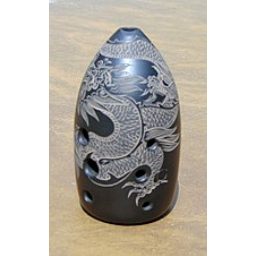
is for Ocarina.

This ancient Chinese instrument dates back to the stone age! It is a type of flute that sounds magical when played.


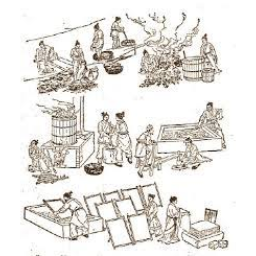
is for Paper.

Paper was created in 105 A.C by an old monk who ground up bits of bark and soaked them in water before pressing this mixture into a long thin sheet. This sheet of pulp was left in the sun to dry and this became paper!


- Full access to our public library
- Save favorite books
- Interact with authors

- < BEGINNING
- END >
-
DOWNLOAD
-
LIKE
-
COMMENT()
-
SHARE
-
SAVE
-
BUY THIS BOOK
(from $5.39+) -
BUY THIS BOOK
(from $5.39+) - DOWNLOAD
- LIKE
- COMMENT ()
- SHARE
- SAVE
- Report
-
BUY
-
LIKE
-
COMMENT()
-
SHARE
- Excessive Violence
- Harassment
- Offensive Pictures
- Spelling & Grammar Errors
- Unfinished
- Other Problem

COMMENTS
Click 'X' to report any negative comments. Thanks!