
TABLE OF CONTENT
INTRO……………………………………………………………………………………………………..2
THE SUN…………………………………………………………………………………………………6
PLANETS…………………………………………………………………………………………… 7
INNER PLANETS………………………………………………………………………………………..8
OUTER PLANETS…………………………………………………………………………… 9
MERCURY…………………………………………………………………………………………… 11
VENUS…………………………………………………………………………………………………….13
EARTH…………………………………………………………………………………………………… 15
MARS……………………………………………………………………………………………………. 17
TABLE OF CONTENT
JUPITER………………………………………………………………………………………………… 19
SATURN…………………………………………………………………………………………………. 21
URANUS………………………………………………………………………………………………… 23
NEPTUNE……………………………………………………………………………………………….. 25
ACTIVITY………………………………………………………………………………………………... 26
glossary……………………………………………………………………………………………… 27
about me…………………………………………………………………………… 28

Hey there! Welcome to NASA ! My name is Jenny and I am here to take you on a trip around our solar system! Let’s visit our planets and sun! LET’S GO !!!!
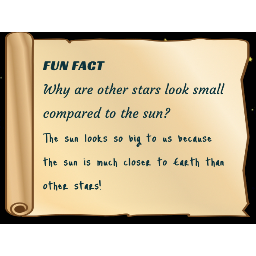
WOAH ! LOOK AT THIS ! It’s our sun! Isn’t it so big? It’s so bright!
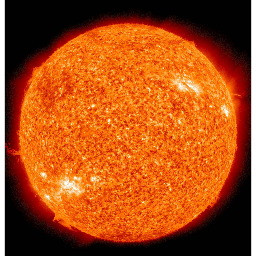
Our sun is actually a star! It’s made up of many gases! It’s among one of the stars that we can see. The sun is the center of our Solar System! The planets revolve around it!
THE SUN IN REAL LIFE
THE SUN
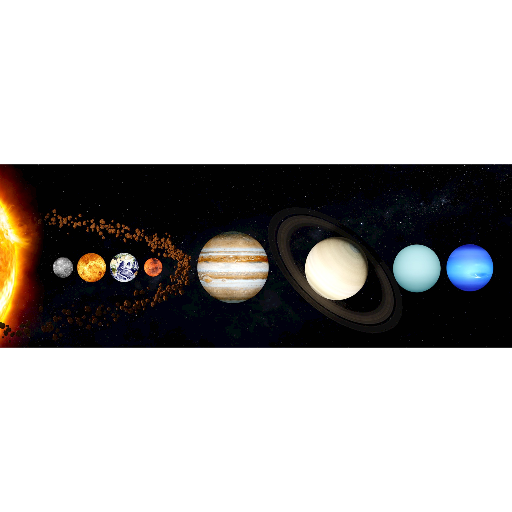
OUR PLANETS
Among the sun, there are these objects called Planets!
Planets is a large round body in space that move around a star , such as our Sun!
The planets are categorized! Inner planets and Outer Planets
INNER PLANETS
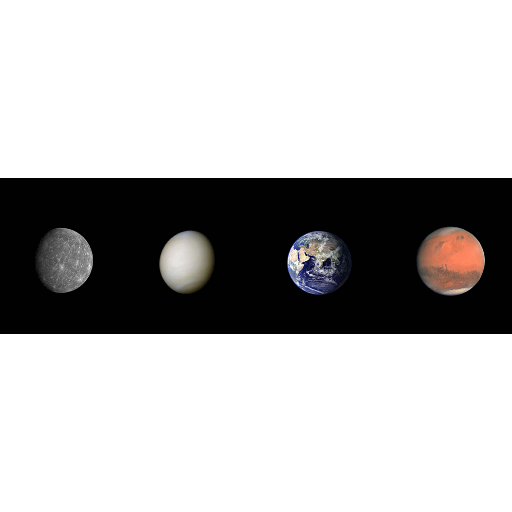
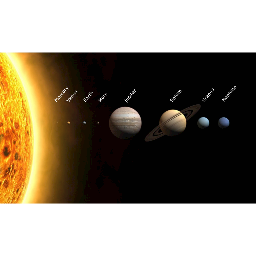
Mercury, Venus, Mars, and Earth are inner planets as they are closest to the Sun
Inner planets are also known as terrestrial planets.
INNER PLANETS
OUTER PLANETS
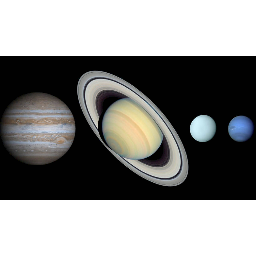
Neptune, Saturn, Jupiter, and Uranus are outer planets as they are the farthest from the Sun. Outer planets are known as gas giants.
OUTER PLANETS
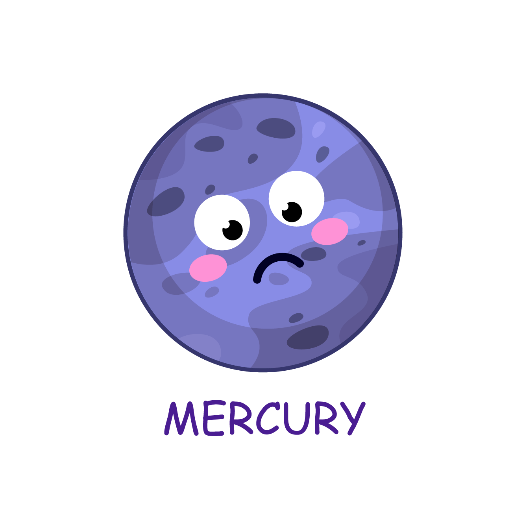
OHH LETS GO TO THE PLANET NEXT TO THE SUN! WELCOME TO MERCURY!
Mercury is the first planet from the sun.
It has a revolution period of 88 days! Oh WOW!
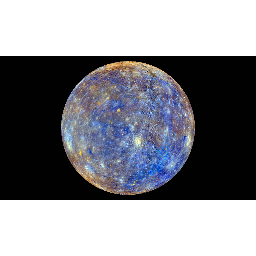
Mercury actually has no atmosphere at all! That means temperature swings from day to night because there’s no atmosphere to trap heat.
Mercury is also the fastest orbiting planet.

THAT RIGHT THERE IS MERCURY
MERCURY IN REAL LIFE
MERCURY
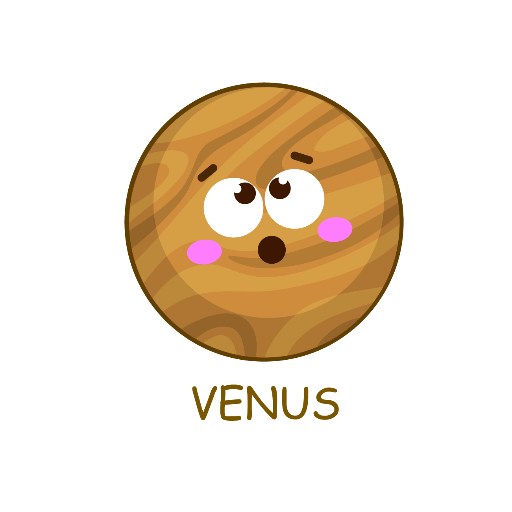
OUR NEXT STOP! VENUS
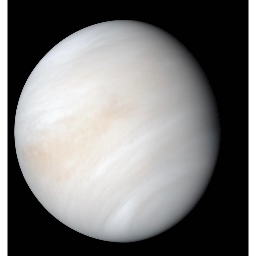
VENUS THROUGH A TELESCOPE
VENUS
The next planet is called Venus! Venus is the second planet from the sun. Venus has volcanoes like Earth and rotates in the opposite direction of Earth.
VENUS
Oh? Are we home already??
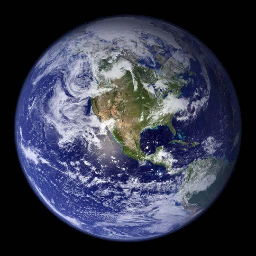
Earth is the third planet in line! Earth is the only planet that is able to support life. It is also the only planet with the large amount of liquid water!
EARTH VIEW FROM SPACE
EARTH
EARTH
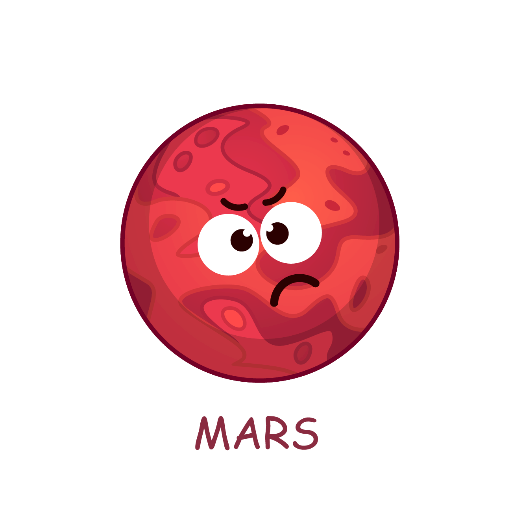
The next planet we are visiting is mars! Say hi to mars!
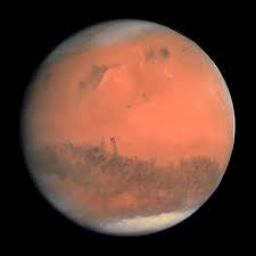
Mars is the 4th planet from the sun! Mars is also known as the RED planet. It is known that because of the distinct rusty color.
It has volcanoes and canyons! The atmosphere there is thin and made up of carbon dioxide, nitrogen, and oxygen.
Mars in space

That's Mars!
MARS
- Full access to our public library
- Save favorite books
- Interact with authors
- < BEGINNING
- END >
-
DOWNLOAD
-
LIKE
-
COMMENT()
-
SHARE
-
SAVE
-
BUY THIS BOOK
(from $5.39+) -
BUY THIS BOOK
(from $5.39+) - DOWNLOAD
- LIKE
- COMMENT ()
- SHARE
- SAVE
- Report
-
BUY
-
LIKE
-
COMMENT()
-
SHARE
- Excessive Violence
- Harassment
- Offensive Pictures
- Spelling & Grammar Errors
- Unfinished
- Other Problem





COMMENTS
Click 'X' to report any negative comments. Thanks!