Movement of substances in & out of the capillaries...20, 21
Uptake of calcium and the process of long bone growth...22, 23
Absorption of glucose into the cells & muscle contraction...24
Generation of an action potential along a neuron...25
Synaptic activity as it causes depolarization on a postsynaptic neuron...26, 27
Blood filtration and the production of urine...28
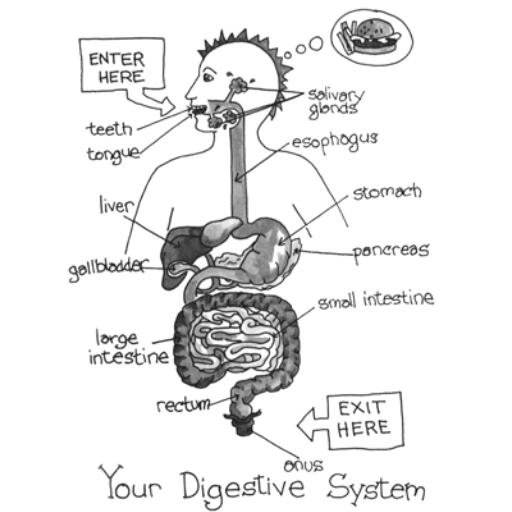
Organs through which the burger passes...3,4
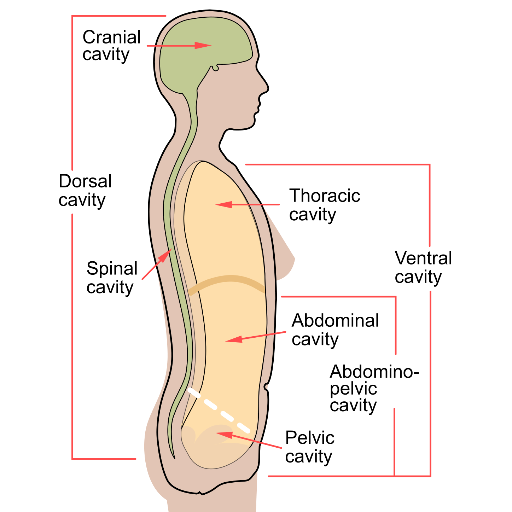
Body cavities...5,6
Accessory organs and their roles in the breakdown & digestion...7,8
Where important molecules are broken down in the digestive system...9-14
Homeostatic mechanisms of blood glucose & calcium...12,13,14
Blood flow through the heart...15,16
Blood flow through the systemic circuit...17, 18
Gas exchange in the lungs and tissues...19

On the cheeseburger's journey through the body, it passes through many organs such as the...
- Stomach
- Small intestine
Absorbs nutrients (vitamins, minerals, carbohydrates, fats, proteins) and water from food so they can be used by the body.
- Large intestine
Waste products from the digestive process include undigested parts of food, fluid, and older cells from the lining of your GI tract.
- Rectum
Is where the body stores stool
Among many accessory organs...
There are many body cavities to help digestion, including the...
- Cranial cavity
- Vertebral cavity
- Thoracic cavity
- Abdominal cavity
- Pelvic cavity
Each plays an important role by holding the organs or accessory organs needed to break down the burger
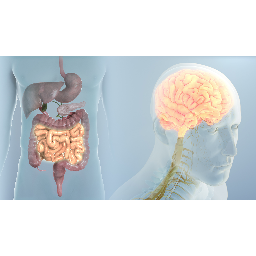
Accessory organs play an important role in breaking down the burger!
The salivary glands moisten food and begin the chemical digestion process
The liver secretes bile to emulsify fats in the small intestine
The gallbladder stores bile and releases it as needed for the small intestine
The pancreas has pancreatic juice that breaks down protein, fats, and carbohydrates.

Important molecules from the burger are also broken down through the digestive process! This involves....
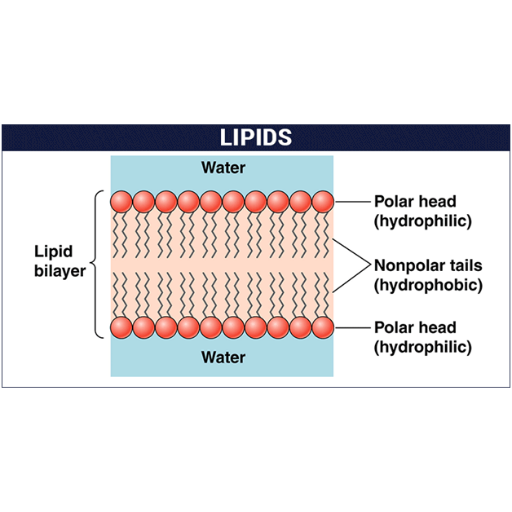
Lipids:
The digestion of lipids begins in the oral cavity through exposure to lingual lipases, which are secreted by glands in the tongue to begin the process of digesting triglycerides. Digestion continues in the stomach through the effect of both lingual and gastric enzymes
Lipids are found in the meat of the burger
Proteins:
Once a protein source reaches your stomach, hydrochloric acid and enzymes called proteases break it
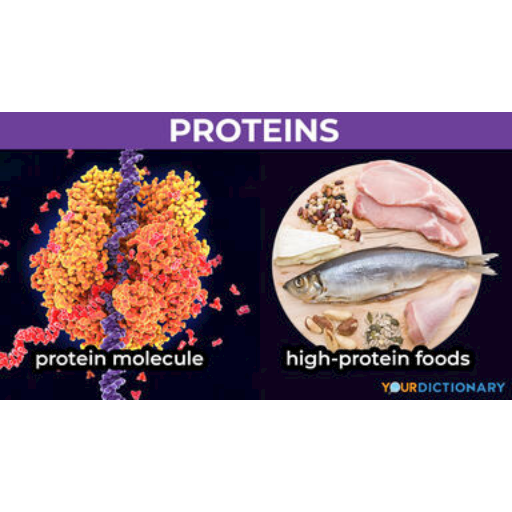
down into smaller chains of amino acids. Amino acids are joined together by peptides, which are broken by proteases. From your stomach, these smaller chains of amino acids move into your small intestine.
Majority comes from the meat itself in a hamburger
Carbs:
Digestion of starches into glucose molecules starts in the mouth, but primarily takes place in the small intestine by the action of specific enzymes secreted from the pancreas (e.g. α-amylase and α-glucosidase).
Carbs found in the bun/bread of the burger
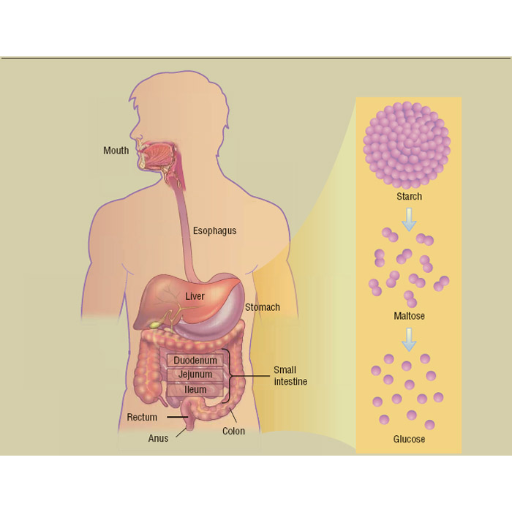
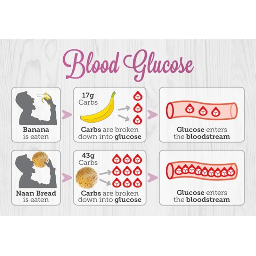
When digesting a burger, glucose is absorbed into the blood stream and transported for use as energy throughout the body. It works like this!
Blood glucose is balance of insulin and glucagon to maintain blood glucose
- When blood sugar is too high, the pancreas secretes more insulin. When blood sugar levels drop, the pancreas releases glucagon to raise them.
Hormones: glucagon and insulin
Also involved in digestion is calcium! Calcium modulates fluid transportation in the colon...
Calcium: the mechanism by which the body maintains adequate calcium levels in order to prevent hypercalcemia or hypocalcemia, both of which can have important consequences for health
- The body regulates calcium homeostasis with two pathways; one is signaled to turn on when blood calcium levels drop below normal and one is the pathway that is signaled to turn on when blood calcium levels are elevated.
Hormones: parathyroid hormone, 1,25-dihydroxyvitamin
Here is how blood flows through the heart:
Right atrium--> Tricuspid valve--> Right ventricle-->Pulmonary valve-->Pulmonary artery-->Lung--> Pulmonary vein --> Left atrium --> Bicuspid valve -->Left ventricle --> Aortic valve --> Aorta --> Body --> Superior and inferior vena cava --> Right atrium
Blood rushes to the stomach and intestines following a meal such as after a hamburger, providing relevant systems with oxygen and transporting the products of digestion!


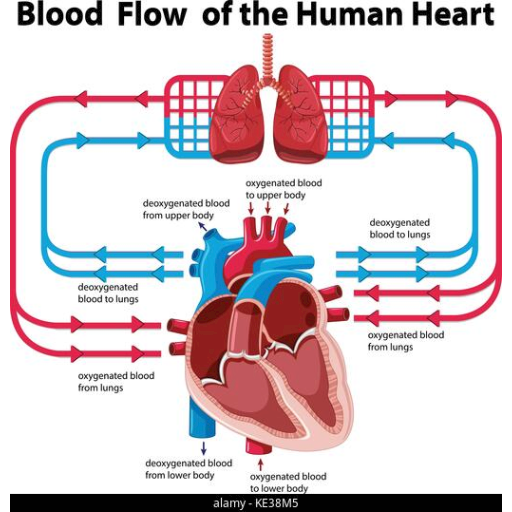
Blood flow through the systemic circuit helps supply cells with nutrients needed to break down a hamburger! Here is the process...
Systemic circulation carries oxygenated blood from the left ventricle, through the arteries, to the capillaries in the tissues of the body.
From the tissue capillaries, the deoxygenated blood returns through a system of veins to the right atrium of the heart.
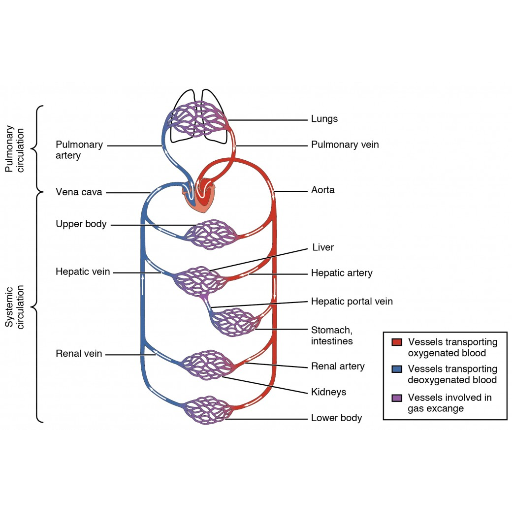
To understand digestion, we also need to know about gas exchange at the lungs and tissues!
A properly functioning respiratory system delivers adequate oxygen to the blood. Because the digestive system breaks down food and uses muscular contractions to move food through the digestive tract, it needs oxygen to function properly
- Full access to our public library
- Save favorite books
- Interact with authors
- < BEGINNING
- END >
-
DOWNLOAD
-
LIKE
-
COMMENT()
-
SHARE
-
SAVE
-
BUY THIS BOOK
(from $5.99+) -
BUY THIS BOOK
(from $5.99+) - DOWNLOAD
- LIKE
- COMMENT ()
- SHARE
- SAVE
- Report
-
BUY
-
LIKE
-
COMMENT()
-
SHARE
- Excessive Violence
- Harassment
- Offensive Pictures
- Spelling & Grammar Errors
- Unfinished
- Other Problem





COMMENTS
Click 'X' to report any negative comments. Thanks!