
Table of Contents
Introduction....................................pg.3
A-D....................................................pg.4-7
E-I.....................................................pg.8-12
J-N....................................................pg.13-17
O-S...................................................pg.18-22
T-W...................................................pg.23-26
X-Z....................................................pg.27-29
Glossary..........................................pg.30-40
Hello, young scientist!
Today, we will go on an adventure through the very cells that make up every living organism. As we venture through this book be on the lookout for important words and similarities between cells and the world around us.
is for Active Site
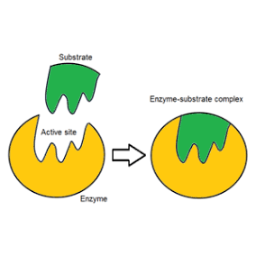
An active site is an area on an enzyme where a substrate can connect or come together. The active site is in charge of making chemical reactions faster. The combination of the substrate meeting with the active site is called an "enzyme-substrate complex. Think of it like having to have a certain key to unlock a door.

is for Base Pairs
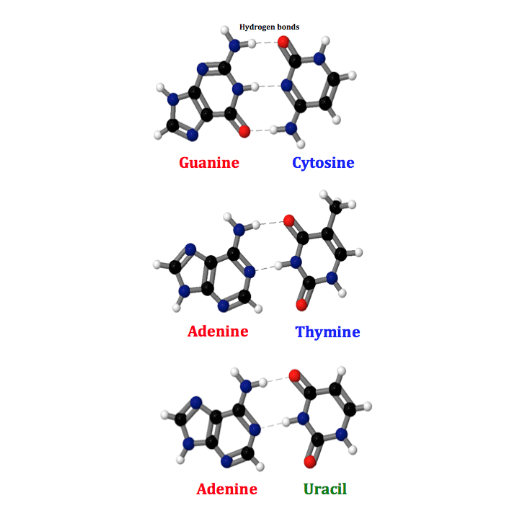
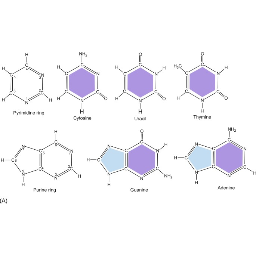
A base pair is the specific pairings of nitrogen bases. There is two pairs in DNA (your genetic coding), but it is not the same for RNA. In DNA, Thymine pairs with Adenine, and Guanine pairs with Cytosine. In RNA, Guanine still pairs with Cytosine, but Adenine has a new friend. It now pairs with Uracil.

is for Cell

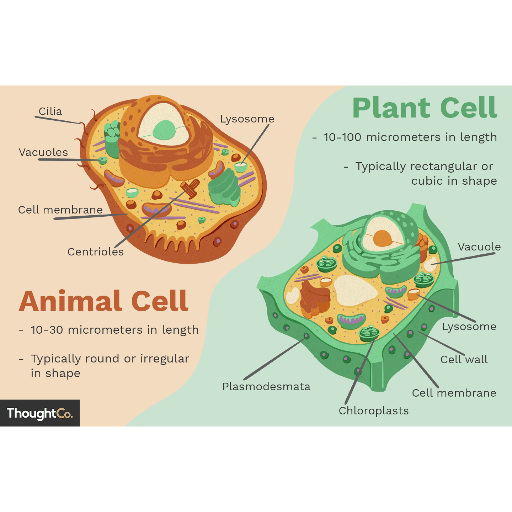
Cells are the basic unit of life. They make up all multicellular and unicellular organisms. They can be autotrophic (able to make their own food) or heterotrophic. (eating or consuming another organism for energy)
is for DNA

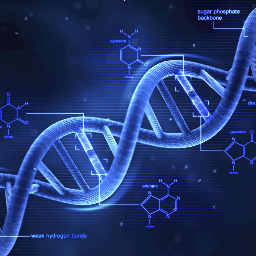
DNA is a simplified way of saying deoxyribonucleic acid. It looks like two ladders twisted together or a double helix. DNA carries genetic coding that is responsible for giving you certain traits. Examples of these traits are your eye color, skin color, hair type, and blood type.
is for Ecosystem

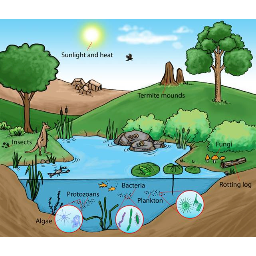
An ecosystem is a community of biotic (living) organisms and their physical surroundings (abiotic factors). An ecosystem focuses on the interactions between the two. In an ecosystem, both nonliving things and living organisms pass on and obtain energy in different ways. If you look around the place you call home, you'll notice that it functions similarly to an animal's ecosystem.
is for Fatty Acids

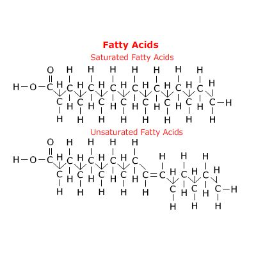
Fatty acids are the monomers of lipids. Waxes, fats, and oils are all lipids. If you look around your house, you might be able to find some of the items listed. There are two types of fatty acids, unsaturated and saturated fatty acids. Lipids are also made up of glycerol, which works together with fatty acids.
is for Golgi Bodies

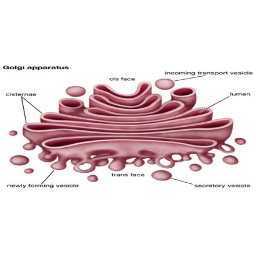
The Golgi body is an organelle in a cell. The Golgi Body can be found near the nucleus and the endoplasmic reticulum. It looks like thick, flat sacs. It is responsible for processing and packaging proteins and lipid molecules. This organelle is similar to the postal services that deliver your mail to your house.
is for Haploid

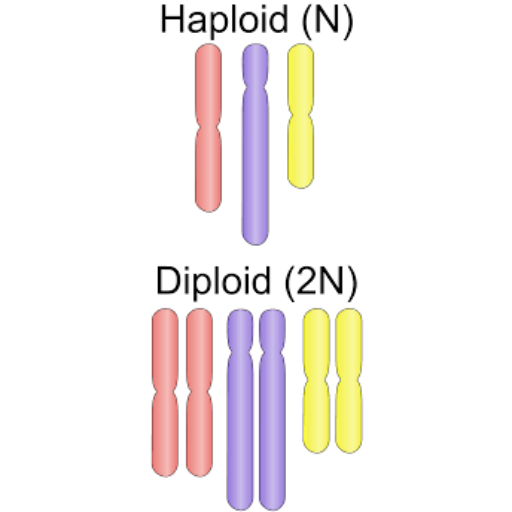
Haploids are cells that contain only one set of chromosomes. It is represented by the letter "n". These cells are formed by a process called "meiosis". You can remember this because "hap" in haploid sounds like "half".
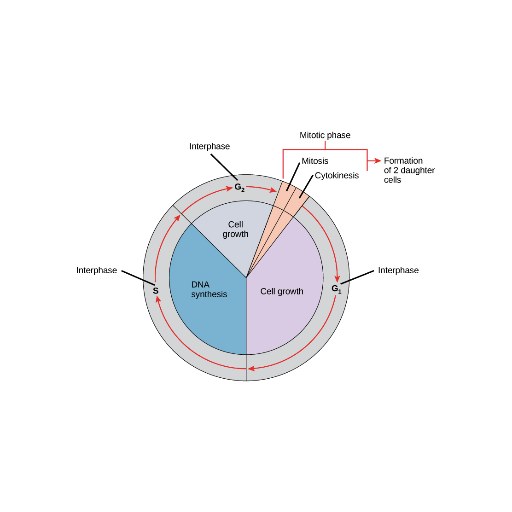
is for Interphase

Interphase is the phase a cell spends the most time in. During this phase, the cell grows, replicates its chromosomes, and prepares to divide. This takes place before miotic cell division. This phase in the cell's life is similar to how we as humans grow, mature, and eventually become an adult.
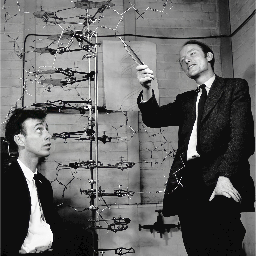
is for James Watson

James Watson was an American molecular biologist who received a Nobel Prize in Physiology or Medicine. He received this award for his group's findings on the structure of DNA. Even though he and his colleagues are credited with this achievement, they used Rosalind Franklin's x-ray of DNA to find the structure first. She wasn't given credit for her achievement.
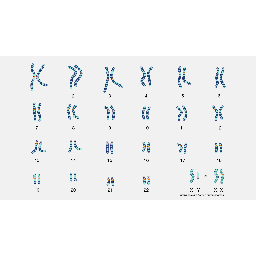
is for Karyotype

A karyotype is a picture of all the chromosomes in your body. Karyotypes help determine the shape, size, and number of your chromosomes. Ideally, you should have 23 chromosomes, but mutations can cause chromosomes to delete or have more than necessary.
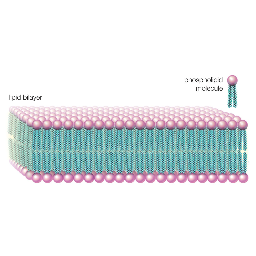
is for Lipid Bilayer

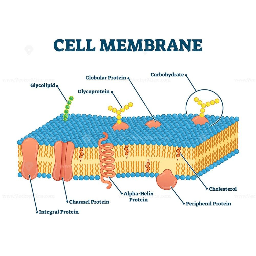
The lipid bilayer is made up of phospholipids. They can be found in the cell membrane. The phospholipids that make up the lipid bilayer have hydrophilic heads and hydrophobic tails. This allows the membrane to be "semi-permeable".
is for Membrane

The cell membrane is a thin barrier that coats the outside of a cell. This membrane is semi-permeable, which means the cell can choose what comes in and what goes out. The cell membrane allows the cell to hold its shape and it separates the cell from the world around it. An example of this would be our skin. Our skin is a barrier, and it protects us from germs and bodily harm.
is for Nitrogen Base

A nitrogen base contains nitrogen and has the chemical properties of a base. The bases are Adenine, Thymine, Guanine, and Cytosine. In RNA, Uracil replaces Thymine.
is for Organism

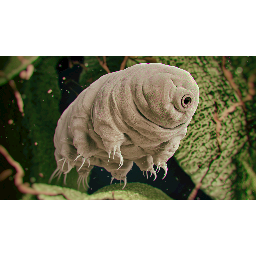
An organism is a plant, animal, or single-celled life form. Organisms are living. Organisms must have an organized structure, be able to react to stimuli, and they must be able to maintain homeostasis. Examples of this are zebras, cells, flowers, humans, dogs, cats, fish, whales, sharks, and millions of others.
is for Phosphate

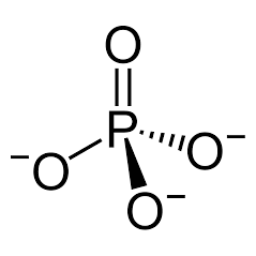
Phosphate is a chemical that contains the mineral phosphorus. Phosphates aid our body in the production of energy, muscle and nerve function, and bone growth. The natural form of phosphates is a combination of chemical compounds of oxygen and phosphorus.
is for Quaternary Structures

A quaternary structure is found in proteins that have two or more identical polypeptide chains. The proteins that are in this structure are called "oligomers". Examples of quaternary structures are hemoglobin, DNA, ribosomes, antibodies, and ion chains.
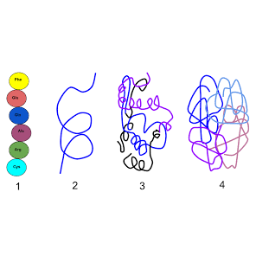
is for RNA

RNA stands for ribonucleic acid. RNA is found in the jelly-like cytoplasm and makes up about 50% of ribosome structures. Unlike DNA, RNA is single-stranded. This is because the double-stranded DNA cannot pass through the nucleus. Nitrogen bases on the RNA are complimentary to DNA nitrogen bases.
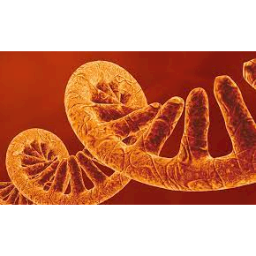
is for Somatic Cells

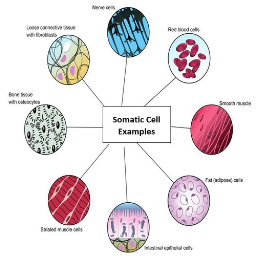
Somatic cells are all other cells in a person's body, other than their reproductive cells. Our somatic cells are diploid cells. This means they contain two sets of chromosomes, as opposed to having one set like a haploid cell. The chromosomes the somatic cells have are inherited from each parent. Think of it like cloning.
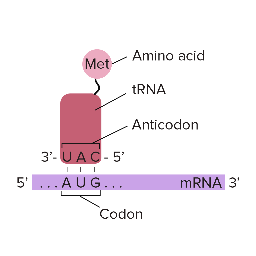
is for tRNA

tRNA is an RNA molecule that helps with protein synthesis. It carries out the process of translation, which happens right after transcription. The tRNA translates the coding of the RNA strand and turns it into chains of amino acids.
is for Unicellullar Organism

A unicellular organism is one functioning cell. It is not multicellular, but it still has organelles that function similarly to the organs in multicellular organisms. Examples of unicellular organisms are amoebas, paramecium, and euglena.
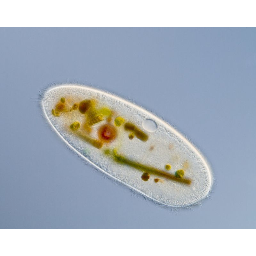
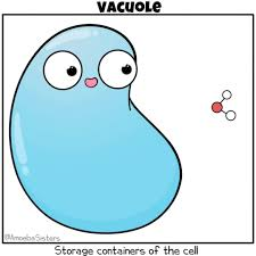
is for Vacuole

A vacuole is an organelle found in cells. It's responsible for storing water and food for the cell. Plant cells have a large central vacuole, while animal cells have multiple smaller ones.
- Full access to our public library
- Save favorite books
- Interact with authors
- < BEGINNING
- END >
-
DOWNLOAD
-
LIKE
-
COMMENT()
-
SHARE
-
SAVE
-
BUY THIS BOOK
(from $7.79+) -
BUY THIS BOOK
(from $7.79+) - DOWNLOAD
- LIKE
- COMMENT ()
- SHARE
- SAVE
- Report
-
BUY
-
LIKE
-
COMMENT()
-
SHARE
- Excessive Violence
- Harassment
- Offensive Pictures
- Spelling & Grammar Errors
- Unfinished
- Other Problem






COMMENTS
Click 'X' to report any negative comments. Thanks!