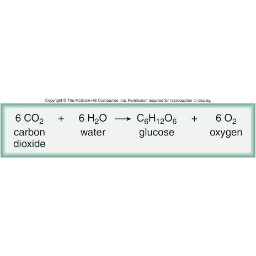





Photosynthesis is the process by which a plant captures energy in sunlight and uses it to make food. The plant needs to have water and carbon dioxide and uses that water and carbon dioxide to create sugar and oxygen.


Plants are a type of organism named autotrophs. Autotrophs create materials using carbon. Plants use light energy to start the process of photosynthesis. Water enters the plant through the roots of the plant from the ground and carbon enters the plant through the stomata on the plant's leaves.

water

Carbon dioxide
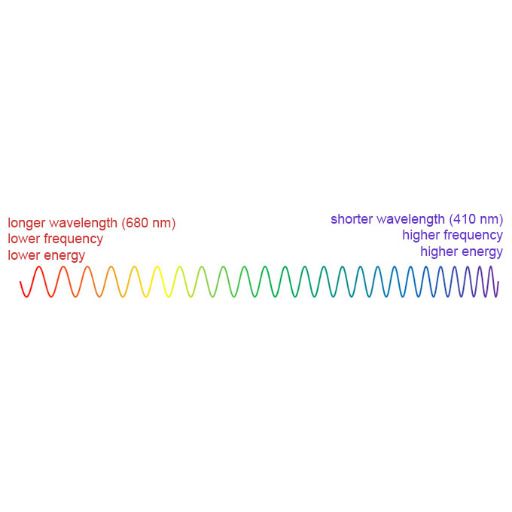
Light energy travels in waves, and depending on the frequency, energy, and wavelength can all determine the color of light. Suns absorb blue and red light, which gives them their green color.


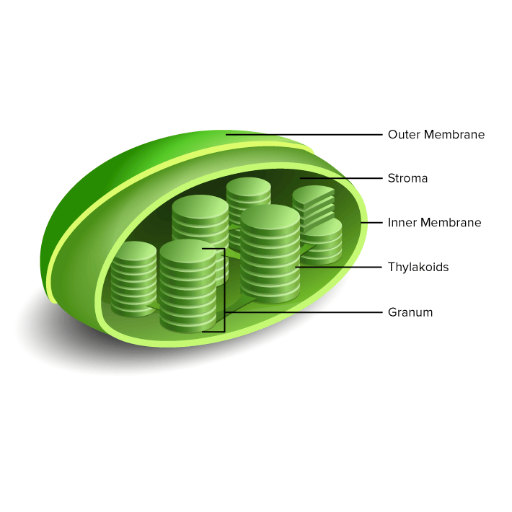
The chloroplast is located in the leaf of a plant. The chloroplast's job is to capture the light energy from the sun and capture it using electrons. These electrons then go through an electron transport chain and release their energy, creating chemical energy needed for the plant to function. Te chloroplast is green because the light it captures is blue and red, making the leaf green in the process.
In a light dependent reaction, water molecules are broken down using light energy to create ATP and NADPH. With this energy, the plant releases the oxygen left from the water as a waste product.

In a light independent reaction, CO2 and ATP create food for the plant. NADPH donates hydrogen and electrons, CO2 donates carbon and oxygen, and ATP creates energy for the process.

Certain factors affect photosynthesis such as light intensity, amount of water present, and the temperature. Plants work the most efficiently from 0-35C. (32-95 F) and anything higher or lower will make photosynthesis slower. The plant also needs a high concentration of light for photosynthesis but light only affects the reaction up to a certain point and then it reaches a cap on how it can help. The last thing needed is water. In areas of low water, plants have adapted to keep their water much longer to go through the long droughts.

Plants use glucose from photosynthesis to create energy like ATP and NADP+. Without glucose, plants wouldn't be able to carry out these processes and wouldn't have any food. Photosynthesis is also important because it releases the waste product oxygen, which is essential for many organisms survival.


sugar + water
Water + carbon dioxide
- Full access to our public library
- Save favorite books
- Interact with authors

- < BEGINNING
- END >
-
DOWNLOAD
-
LIKE
-
COMMENT()
-
SHARE
-
SAVE
-
BUY THIS BOOK
(from $2.99+) -
BUY THIS BOOK
(from $2.99+) - DOWNLOAD
- LIKE
- COMMENT ()
- SHARE
- SAVE
- Report
-
BUY
-
LIKE
-
COMMENT()
-
SHARE
- Excessive Violence
- Harassment
- Offensive Pictures
- Spelling & Grammar Errors
- Unfinished
- Other Problem

COMMENTS
Click 'X' to report any negative comments. Thanks!