
Bobcats:
The Mountain Animals
COMMON NAME: Bobcat
SCIENTIFIC NAME: Lynx rufus
TYPE: Mammals
DIET: Carnivore
AVERAGE LIFE SPAN IN THE WILD: 10 to 12 years
SIZE: Head and body: 26 to 41 inches; tail: 4 to 7 inches
WEIGHT: 11 to 30 pounds
SIZE RELATIVE TO A 6-FT HUMAN:
VU VULNERABLE; At high risk of extinction in the wild EN ENDANGERED; At very high risk of extinction in the wild
CR CRITICALLY ENDANGERED; At extremely high risk of extinction in the wild
EW EXTINCT IN THE WILD; Survives only in captivity EX EXTINCT No surviving individuals in the wild or in captivity.
Bobcats can get to be 1 foot and 6.7 inches long to 4 feet and 1.21 inches long.
Bobcats can also get to be 11.8 inches tall to 1 foot and 11.6 inches tall.
Mountain lions and wolves are predators of bobcats. The bobcat kittens have other predators including owls, eagles, coyotes and foxes.
Bobcats are predators but that does not mean they have no enemies. One of the reasons bobcats are nervous around people is because they have the role of prey as well as hunter. At 2 to 3 feet long, bobcats are small enough to be threatened by other carnivores such as coyotes. Bobcat kittens in particular are a potential prey item for many predators. Because of the threats bobcats face, the maximum age in the wild is about 12 years and the average is about 6. In captivity, with no threats, a bobcat can live to 30 years or more.
Hawks, eagles and owls all can and will take bobcat kittens or juveniles. Mothers stay with their kittens until their offspring can fend for themselves. However, there are times when an opportunistic hawk could catch a bobcat kitten. Birds of prey are not a significant danger to bobcats but are a possible threat.
Other carnivores including coyotes, fishers, cougars, wolves and lynx, are dangerous to bobcats, especially their kittens. They also compete with bobcats, and when food is scarce, the bobcats may go without. Juvenile mortality is directly linked to the food supply, and in times of food shortage many bobcat kittens die. Porcupines are a prey animal but can cause damage to the bobcats with poisonous spines.
The real natural enemies of bobcats are not other predators but much smaller microorganisms. Like most other animals, bobcats are vulnerable to a range of infections and diseases including rabies and feline distemper. After humans, the main threats to adult bobcats appear to be diseases and parasites.
The mammals most dangerous to bobcats are of course humans. Trappers and hunters target bobcats for their fur. In fact as of 2011, bobcat and lynx skins accounted for at least half of all cat fur traded worldwide. In some parts of the United States, humans have eliminated bobcats altogether; both deliberately through trapping for fur or deliberate persecution and accidentally through habitat destruction.
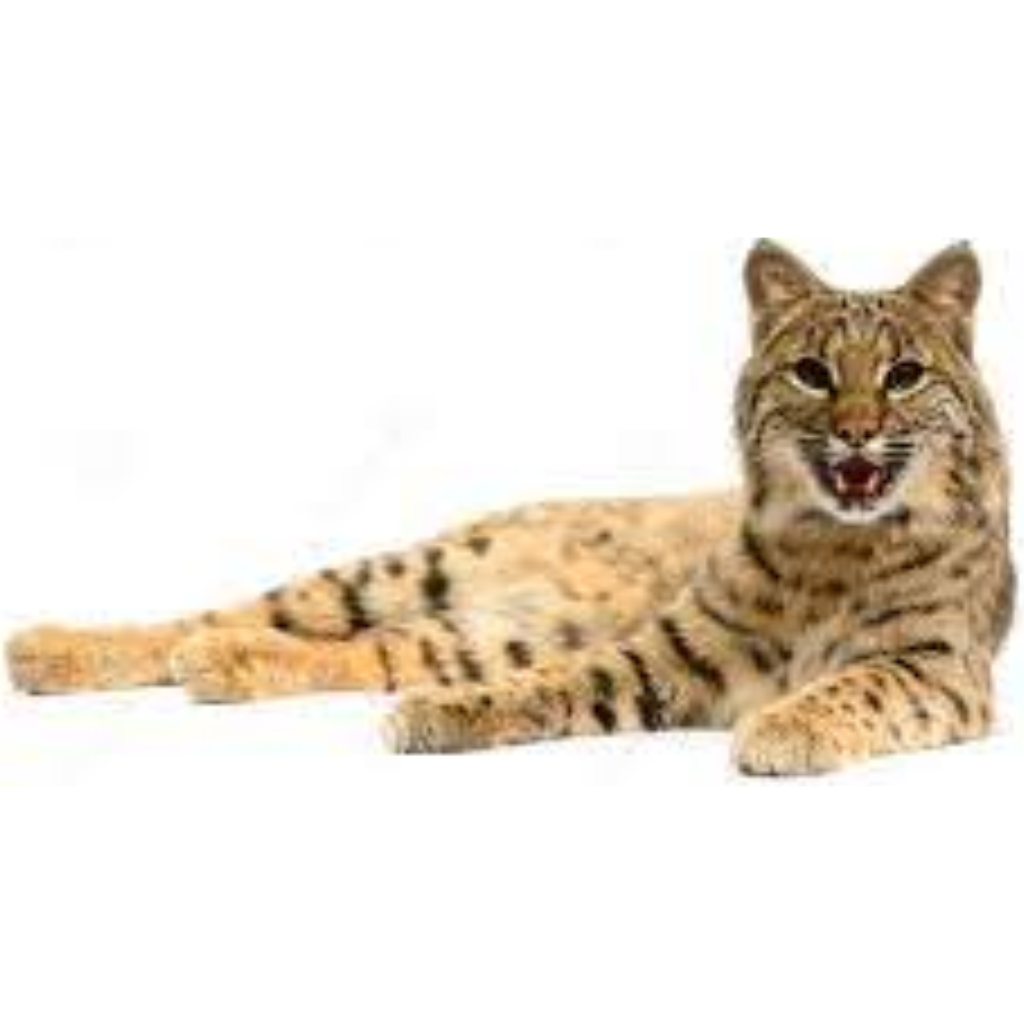
Bobcats (Lynx rufus) are animals in the cat (Felidae) family. Bobcats live across North America from northern Mexico to Canada.
They can be found living in forests, swamplands, deserts, scrublands and human inhabited areas. Bobcats are stealthy, nocturnal creatures, so humans rarely see them.
- Full access to our public library
- Save favorite books
- Interact with authors
- < BEGINNING
- END >
-
DOWNLOAD
-
LIKE
-
COMMENT()
-
SHARE
-
SAVE
-
BUY THIS BOOK
(from $4.59+) -
BUY THIS BOOK
(from $4.59+) - DOWNLOAD
- LIKE
- COMMENT ()
- SHARE
- SAVE
- Report
-
BUY
-
LIKE
-
COMMENT()
-
SHARE
- Excessive Violence
- Harassment
- Offensive Pictures
- Spelling & Grammar Errors
- Unfinished
- Other Problem





COMMENTS
Click 'X' to report any negative comments. Thanks!