The Sun
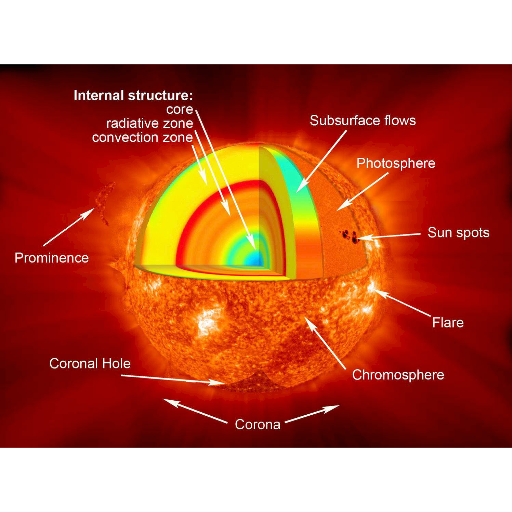
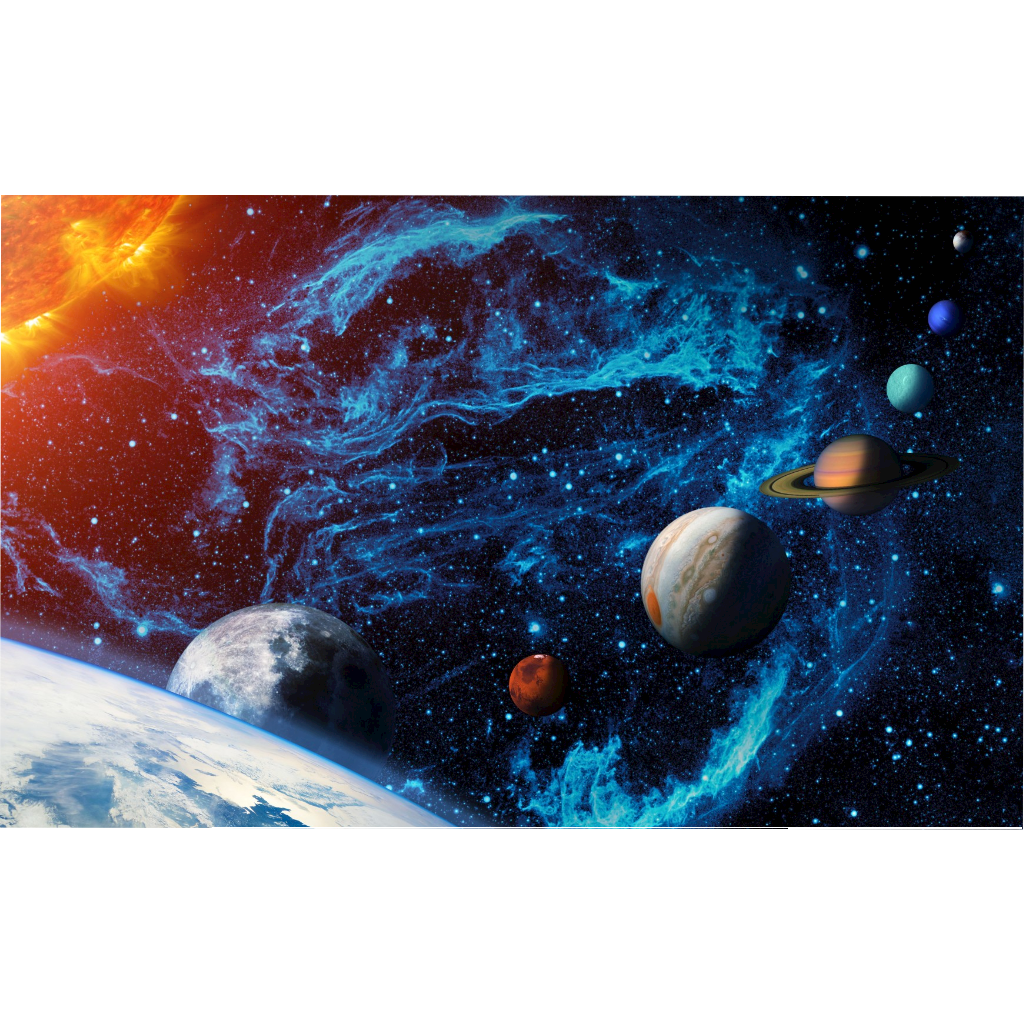
The sun formed about 4.6 billion years ago in a giant, spinning cloud of gas and dust called the solar nebula. The sun is a massive star in our solar system, it is full of gas. The sun is 93 million miles away from the earth. That is a good thing, that the sun is not close to the earth, because if the sun were really close it would be hard to live here because of how hot it is. The suns surface is very hot, and its atmosphere is even hotter. And the sun's core is the hottest part of all, at a sizzling 27 million degrees Fahrenheit. The sun is about 100 times bigger than the earth.

Mercury
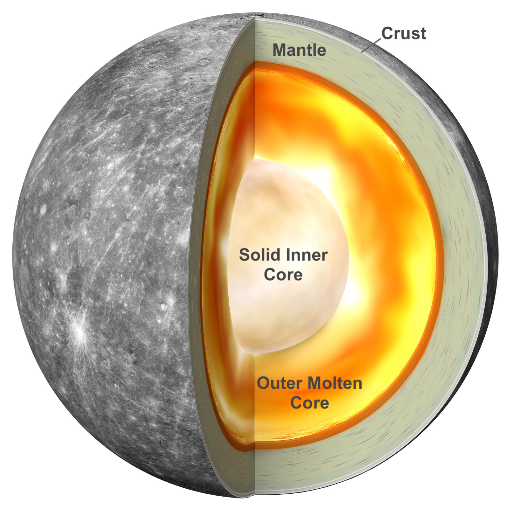
Mercury formed about 4.5 billion years ago when gravity pulled swirling gas and dust together to form this small planet nearest to the sun. Mercury is the smallest planet in our solar system, but it's just a little bigger than our moon. Mercury is the closest planet to our sun, but it is not the hottest, Venus is. Along with Venus, Earth, and Mars, Mercury is one of the rocky planets. Mercury has a solid surface that is covered in craters. It has no atmosphere, and it doesn't have any moons.
Fun fact: Mercury only has one sunrise every 180 Earth day.

Venus
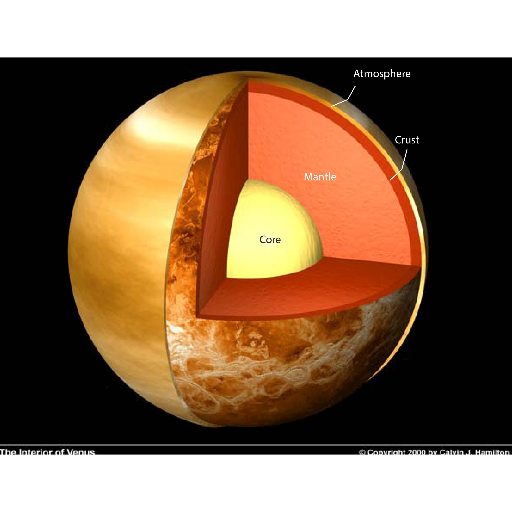
Like all the other planets, Venus was likely formed in the large cloud of gas, dust, and ice of the ancient solar system that collapsed into a spinning disc. Even though Venus is not the closest to the sun it is still the hottest. Venus has a thick atmosphere full of the greenhouse gas carbon dioxide and clouds made of sulphuric acid. The gas traps heat and keeps Venus toasty warm. Venus looks like a very active planet. It has mountains and volcanoes. Venus is similar in size to Earth. Earth is just a little bit bigger. Venus is unusual because it spins in the opposite direction of Earth.
Fun Fact: Venus is so hot it can melt metals like lead would be puddles of melted liquid.

Earth
Earth formed over 4.6 billion years ago out of a mixture of dust and gas around the sun. Our home planet Earth is a rocky, terrestrial planet. it has a solid and active surface with mountains, valleys, canyons, plains, and so much more. Earth is special because it is an ocean planet. Water covers 70% of the Earth's surface. Our atmosphere is made mostly of nitrogen and has plenty of oxygen for us to breathe. The atmosphere also protects us from incoming meteoroids, most of which break up in our atmosphere before they can strike the surface as meteorites.
Fun fact: Earth has never been perfectly round.

Moon
The moon was formed during a collision between the Earth and another small planet. Some people think the moon is glowing but it is simply reflecting the light from the sun. Sometimes from the Earth, it looks like the moon is changing shapes each night but it is actually because, from our spot on Earth, we see different parts of the moon lit by the sun as the moon travels in orbit. The moon is covered by craters as well as dust and debris from comets, asteroids, and meteoroid impacts.
Fun fact: The moon is Earth's permanent natural satellite.
Mars
4.5 billion years ago Mars formed when gravity pulled swirling gas and dust into become the fourth planet from the sun. Mars is a cold desert world. it is half the size of the Earth. Mars is sometimes called the red planet. It is red because of the rusty iron in the ground. Like Earth, Mars has seasons, polar ice caps, volcanoes, canyons, and weather. Mars has a very thin atmosphere made of carbon dioxide, nitrogen, and argon. These are signs of ancient floods on Mars, but now water mostly exists in icy dirt and thin clouds.
Fun fact: Mars is named after a roman God of war.
- Full access to our public library
- Save favorite books
- Interact with authors


- < BEGINNING
- END >
-
DOWNLOAD
-
LIKE
-
COMMENT()
-
SHARE
-
SAVE
-
BUY THIS BOOK
(from $4.19+) -
BUY THIS BOOK
(from $4.19+) - DOWNLOAD
- LIKE
- COMMENT ()
- SHARE
- SAVE
- Report
-
BUY
-
LIKE
-
COMMENT()
-
SHARE
- Excessive Violence
- Harassment
- Offensive Pictures
- Spelling & Grammar Errors
- Unfinished
- Other Problem

COMMENTS
Click 'X' to report any negative comments. Thanks!