This story is dedicated to Mrs. Miller -- My favorite biology teacher forever and always.

Before we start, we need some background knowledge about protein synthesis.
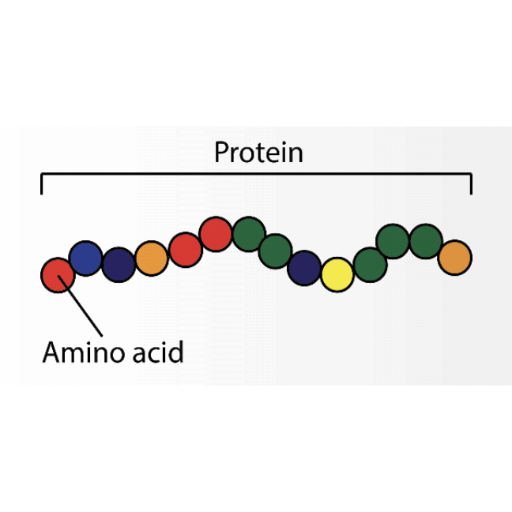
These are proteins. Proteins are made of amino acids and are very important for your body. Energy, recovery, fat loss, strength gains, and more are linked to amino acids.


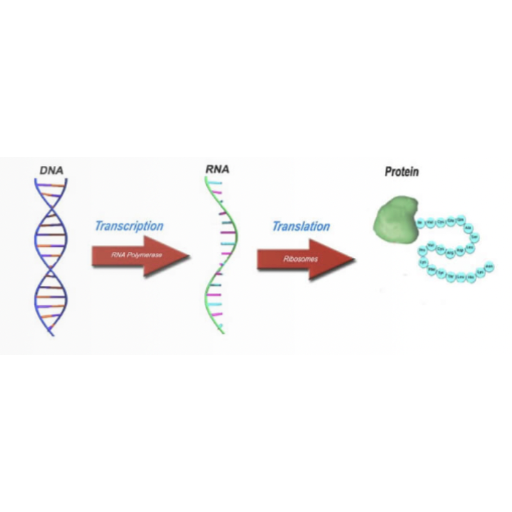
This picture shows how Protein Synthesis works, but this is only a simplified version. Let's dive into what this diagram is showing!
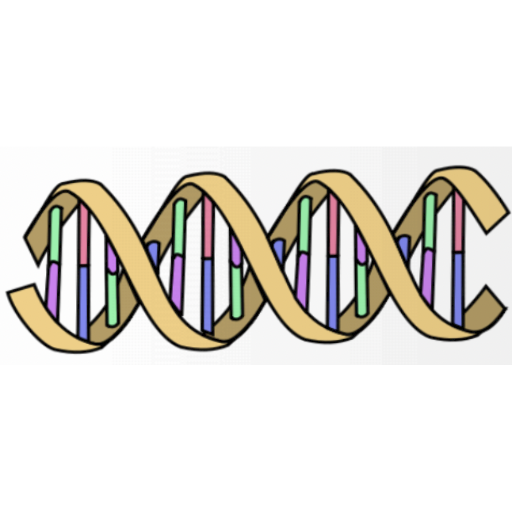
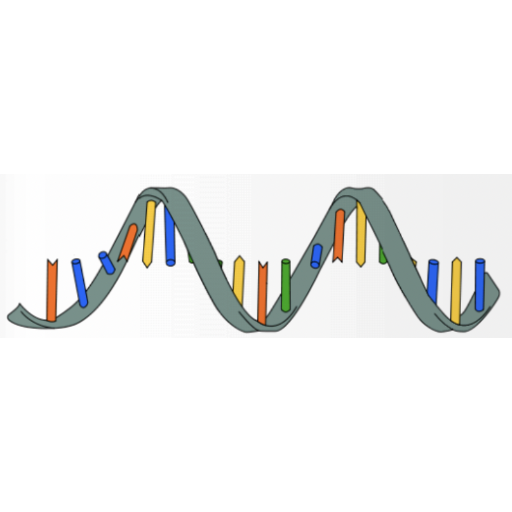
RNA and DNA play a huge part in Protein Synthesis. Below is a picture of DNA (deoxyribonucleic acid). DNA is a self-replicating material present in nearly all living organisms. It carries genetic information.

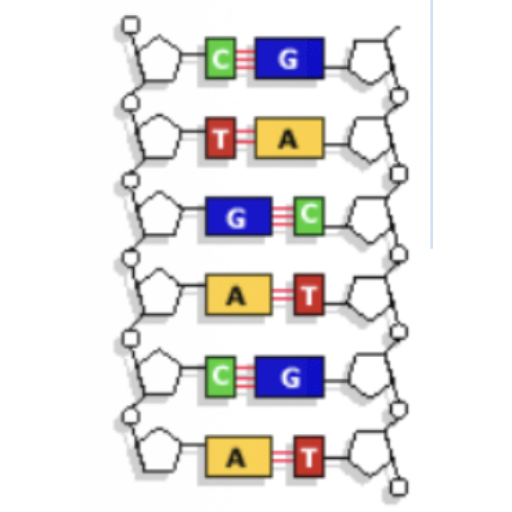
DNA is made of a phosphate group, a sugar group, and a nitrogen base. There are four types of nitrogen bases in DNA. They are Adenine (A), Thymine (T), Guanine (G), and Cytosine (C). Adenine and Thymine are always paired together (think apples [Adenine] in trees [Thymine]). In addition to that, Cytosine and Guanine (think cars [Cytosine] in garages [Guanine] are always paired up.

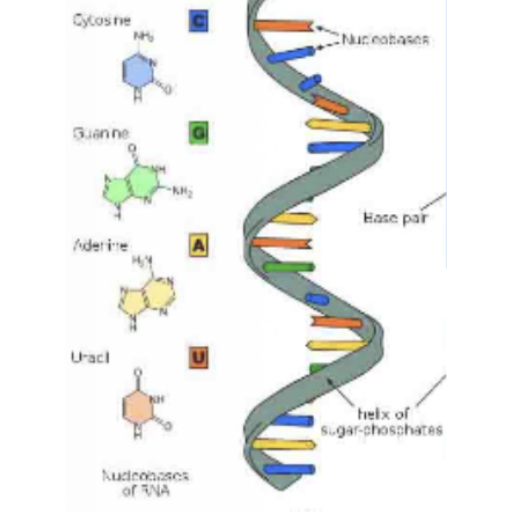
Below is a picture of RNA (ribonucleic acid). RNA is present in all living cells. RNA is a messenger that carries instructions from DNA from Protein Synthesis.

RNA is also made of a phosphate group, a sugar group, and nitrogen bases. The nitrogen bases in RNA are Adenine (A), Guanine (G), Cytosine (C), and Uracil (U). Like DNA these bases also pair up. Adenine pairs with Uracil and Cytosine pairs with Guanine. This picture shows an example of this.

Here's some important vocabulary to look back on throughout the book!
- Nucleotide: these form the basic structural unit of nucleic acids as DNA
- Nucleus: What directs the parts of a cell
- Phosphate Group: A functional group or radical compromised of phosphorus attached to four oxygen elements
- Ribosome: The protein builders of the cell
More Vocabulary:
- Genetic Code: The nucleotide triplets of DNA and RNA molecules that carry genetic information in living cells
- Genes: A unit of heredity that is transferred from a parent to offspring and is held to determine some characteristics of the offspring
- Amino Acids: Amino acids are used in every cell of your body to build the proteins you need to survive
- Cytoplasm: The fluid that fills the cell
- Cell Membrane: A semipermeable outside layer surrounding and protecting the contents of a cell
More Vocabulary:
- Biochemical Reactions: The transformation of one molecule to a different molecule inside a cell.
Now that we have some background knowledge, we can start learning the steps of Protein Synthesis.
Step 1 of Protein Synthesis:
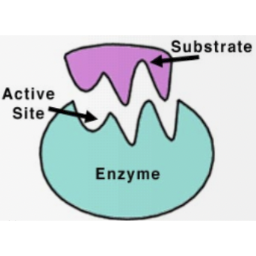
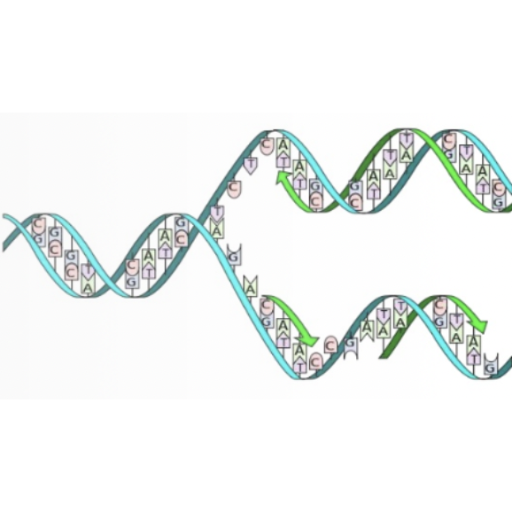
Replication is the process of duplicating or producing an exact copy of the DNA involving many enzymes* that split down the mother cell and create 'daughter' copies. The picture shown is an example of an enzyme.
*enzymes are proteins made by a cell that breaks down many different molecules.

This is a picture of Replication. Replication occurs in the nucleus of the cell. It uses the nitrogen bases Adenine (A), Thymine (T), Guanine (G), and Cytosine (C) in it's process.

Step 2 of Protein Synthesis:
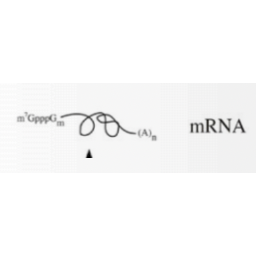
Transcription is the process by which the information in a strand of DNA is copied into a new molecule of messenger RNA (mRNA)*. Transcription uses RNA polymerase which is an enzyme that copies DNA into RNA. The picture below is a strand of mRNA.
*mRNA is the form of RNA that carries information from DNA in the nucleus to the ribosome sites of protein synthesis in the cell.

- Full access to our public library
- Save favorite books
- Interact with authors

- < BEGINNING
- END >
-
DOWNLOAD
-
LIKE
-
COMMENT()
-
SHARE
-
SAVE
-
BUY THIS BOOK
(from $4.79+) -
BUY THIS BOOK
(from $4.79+) - DOWNLOAD
- LIKE
- COMMENT ()
- SHARE
- SAVE
- Report
-
BUY
-
LIKE
-
COMMENT()
-
SHARE
- Excessive Violence
- Harassment
- Offensive Pictures
- Spelling & Grammar Errors
- Unfinished
- Other Problem

COMMENTS
Click 'X' to report any negative comments. Thanks!