










Dedicated to children who want to learn more about macromolecules.

Hello! My name is MARCO-molecule. My goal is to help you get a better understanding of macromolecules.Well, here's the first thing you should know about macromolecules. Macromolecules are just polymers, which are long rings of molecular parts known as monomers. Long polymers can be found in carbohydrates, proteins, and nucleic acids. They are known as macromolecules because of their polymeric structure and huge size.


Macro....what?
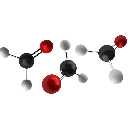
Let's start with carbs! Carbohydrates offer glucose, (sugar) to the body, which is transformed into energy for biological functions and physical activities.

Examples of Carbohydrates-


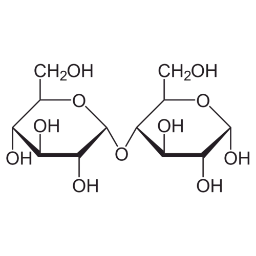
The basic building blocks of all sugars and starches are monosaccharide units, which are the monomers of carbohydrates. Disaccharides and polysaccharides, each made up of two or more monomers, are examples of the polymers of carbohydrates. Monosaccharides have galactose, fructose, and glucose.


Next, Lipids are fatty chemicals that have many different jobs to do in your body. They are an important part of your cell membranes and help in managing what enters and exits your cells. They help with creating hormones, absorbing vitamins, and transporting and storing energy.


Examples of foods that give lipids-


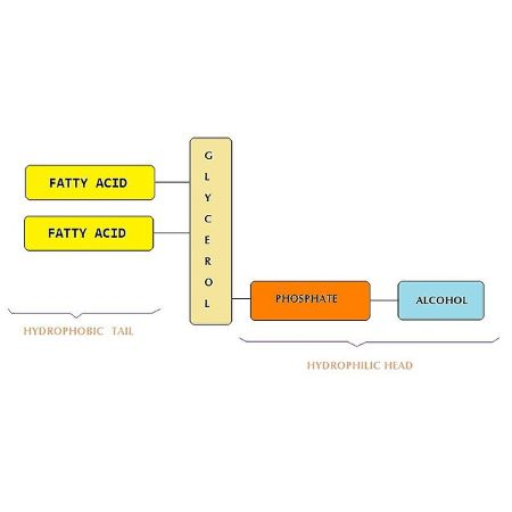
Fatty acids and glycerol are the monomers of lipids. Triglycerides, a common lipid polymer, are supported by glycerol. The long fatty chains in triglycerides are made up of three fatty acids. Every lipid polymer is similar to one another since the monomers that make them up share the same fundamental structures.


Big, complex molecules known as proteins play many different kinds of important functions in the body. They are necessary for the structure, operation, and control of the body's tissues and organs and carry out almost all of their job inside cells.


Example of foods that give Protein-
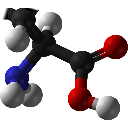
Amino acids are the monomers of proteins, whose polymers are called polypeptides. Amino acids help: Break down food. Grow and repair body tissue. Make hormones and brain chemicals. Polypeptides help make up proteins by bonding numerous amino acids together.


- Full access to our public library
- Save favorite books
- Interact with authors

- < BEGINNING
- END >
-
DOWNLOAD
-
LIKE
-
COMMENT()
-
SHARE
-
SAVE
-
BUY THIS BOOK
(from $2.99+) -
BUY THIS BOOK
(from $2.99+) - DOWNLOAD
- LIKE
- COMMENT ()
- SHARE
- SAVE
- Report
-
BUY
-
LIKE
-
COMMENT()
-
SHARE
- Excessive Violence
- Harassment
- Offensive Pictures
- Spelling & Grammar Errors
- Unfinished
- Other Problem

COMMENTS
Click 'X' to report any negative comments. Thanks!