
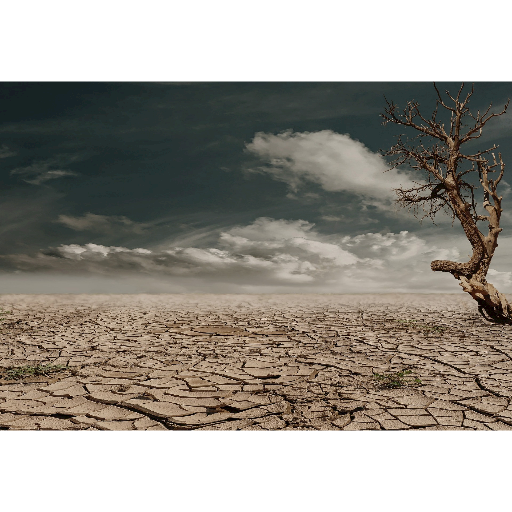
is for Arid
Arid is an adjective that can be used to describe a land that receives little to no precipitation.

is for Bioaccumulation
The gradual accumulation of substance concentrations in organisms across the trophic pyramid.

is for Climate Change

Climate change is a gradual change in the climate. Temperature shifts and changes in weather patterns can occur.
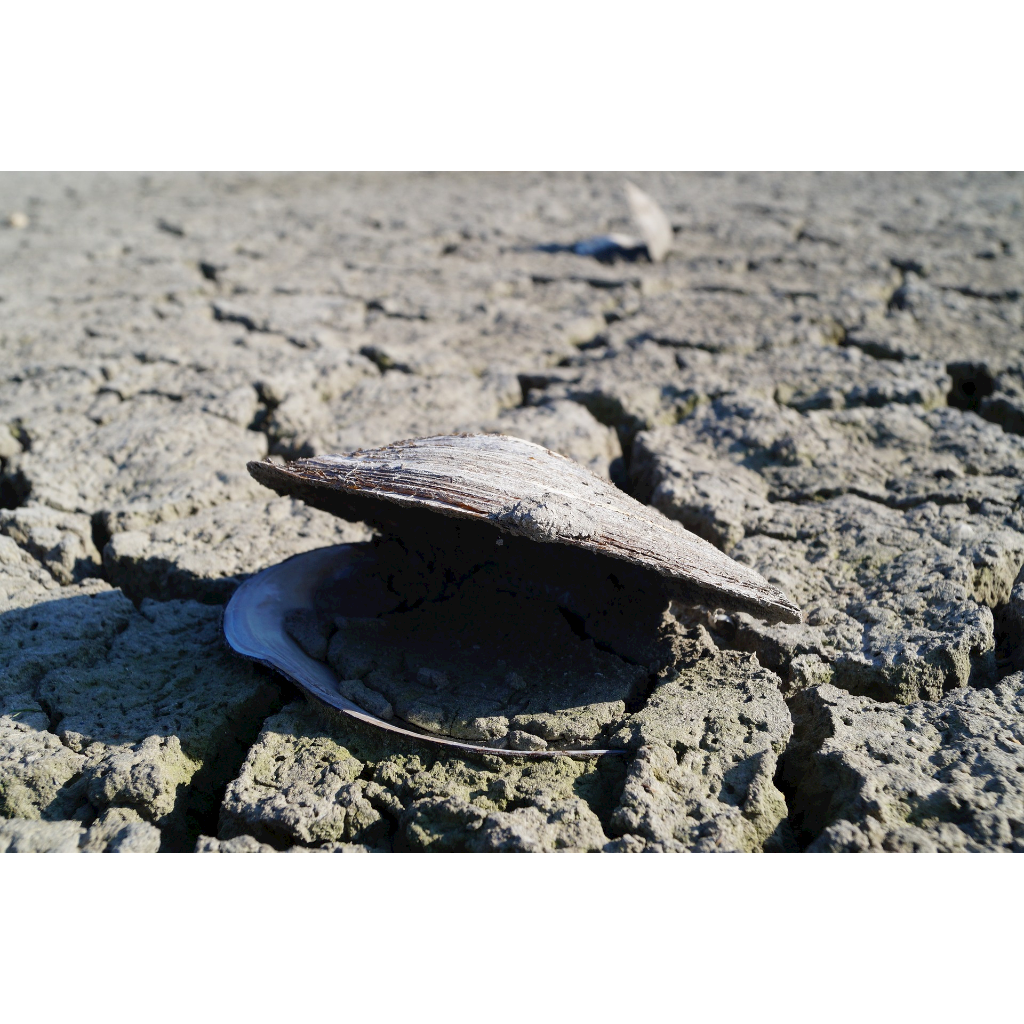
is for Desertification

Desertification means a habitat or a region becomes dry and eventually turning into a desert
is for Ecosystems

Ecosystems are complex systems which involve the interaction between individuals, populations, biotic, and abiotic things.
is for Fossil Fuels

Fossil fuels like coal and oil are the main sources of energy production for humans. But they do harm the environment in a multitude of ways. The main way is contributing to the greenhouse gas effect.
is for Global warming

Because there are greenhouse gases, this causes the Earth to warm up and absorb more incoming solar radiation from the sun
is for Hydroelectric Dams

Hydroelectric dams create renewable energy by using the water that travels through the propellers
is for Industrial Pollution

This is the outcome of burning coal and natural gas as well as cars burning petroleum. Industrial pollution was created and has been produced ever since the industrial revolution and produce lots of air pollutants
is for Joule

This is a measurement of energy.
is for Keystone Species

Keystone Species refer to species which lack in number make up for use. These can be bears, beavers, otters, etc.
is for Land degradation

Land degradation is caused by weathering and erosion. This can be harmful to ecosystems and regions in need of a lush environment
is for Marine life

Marine life is the life under the water. Fish, zooplankton, sharks, coral, and even whales and dolphins are considered to be marine life.
is for Natural resources

Natural resources are resources available and provided by the environment. Resources like wood, iron, clay and many other can be found all around you.
is for Ozone layer

The ozone layer is the layer that protects us from harmful UV radiation emitted by the sun. It is located under the stratosphere
is for Permafrost

Permafrost is the soil that remains frozen underneath snow. It can usually be found in tundras and coniferous forests
- Full access to our public library
- Save favorite books
- Interact with authors
- < BEGINNING
- END >
-
DOWNLOAD
-
LIKE
-
COMMENT()
-
SHARE
-
SAVE
-
BUY THIS BOOK
(from $5.19+) -
BUY THIS BOOK
(from $5.19+) - DOWNLOAD
- LIKE
- COMMENT ()
- SHARE
- SAVE
- Report
-
BUY
-
LIKE
-
COMMENT()
-
SHARE
- Excessive Violence
- Harassment
- Offensive Pictures
- Spelling & Grammar Errors
- Unfinished
- Other Problem





COMMENTS
Click 'X' to report any negative comments. Thanks!