
To Maa,
May the flowers guide you wherever you are
Lakh Lakh Shukhar!

Dear reader,
For optimal wellbeing, an individual needs to take a holistic approach and look after their physical, mental, social, and spiritual health. Just as you would get a massage to make yourself feel relaxed and reduce physical stress, there are ways of managing mental health that you may or may not have considered. Flowers are a wonderful way of calming your mind and lifting your spirits!
I decided to write this book for my personal project at the Aga Khan Academy because I care about people and want to help them. One of the increasingly common problems faced by people today is stress, which impacts mental health. Mental health illnesses are also on the rise, and flower therapy is one way to help treat them.
I'm also very passionate about taking pictures of flowers, as they are very beautiful and diverse in their designs, patterns, colours and smells, and I am inspired to discover how flowers and their healing powers can enhance the treatment of mental illness. Although flowers have medicinal properties, this project focuses on their natural aesthetic value. This project also provided me with an opportunity to enhance my photography skills! This book aims to educate people on the importance of flowers and their benefits for mental health. I don’t have any financial or other relevant disclosures. I hope you find this book very insightful and maybe even try out flower therapy yourself!
Yours truly, Safeera
Table Of Contents
I. Part 1: General
History of Flowers in Healing......................................................................................................8
Key Terms...........................................................................................................................................9
Overall Benefits of Flowers........................................................................................................11
Behaviour Change...........................................................................................................................12
II. Part 2: Flowers and Mental Health Disorders
Aromatherapy.................................................................................................................................17
Chromotherapy...............................................................................................................................18
Designs & Patterns.......................................................................................................................20
Nurturing Connections..................................................................................................................21
Disorders..........................................................................................................................................23
III. Part 3: Colouring Sheets
Flower Colouring Sheets...........................................................................................................39
Colouring Apps.............................................................................................................................50
IV. Part 4: Gardening
Gardening as Therapy................................................................................................................55
Healing Gardens............................................................................................................................57
Outdoor vs. Indoor Gardens.....................................................................................................58
Tips....................................................................................................................................................59
V. Part 5: Environmental Benefits
Biodiversity and Wildlife Protection......................................................................................63
Soil Conservation.........................................................................................................................64
Improving Air Quality.................................................................................................................65
Native Flowers..............................................................................................................................66
Challenges and Solutions..........................................................................................................67
Things You Can Do To Help.........................................................................................................69
VI. Conclusion.......................................................................................................................................70
Part 1
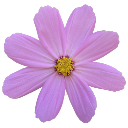
Historically, flowers have been used to help people in many different forms, including in oils, ointments, and teas, and to improve physical, emotional, and spiritual health, including relieving muscle tension, healing wounds, and facilitating relaxation. A century ago, a European doctor, Edward Bach, believed that flower remedies could help alleviate negative emotions, and would therefore help cure patients with mental issues. Therapeutic horticulture was also another way flowering plants were used in ancient times. The ancient Egyptians would encourage patients to grow their own flowers or even take a walk in the garden, as it helped speed up their recovery. People in India were also known for using flower essence in different forms of therapy, including for people suffering from mental illnesses. They believed that flowers had the ability to ease emotional disorders, balance emotional imbalances, and heal the mind, body, and spirit.
History of Flowers in Healing
Key Terms
Mental Health
The state of psychological and emotional well-being, including emotions, thoughts, and feelings, as well as how we overcome difficulties, our social connections, and our problem-solving abilities.
Mental Illness
Something that affects the way people behave, think, feel, and interact with others. Usually, people have impaired social and occupational functioning, and their bodies don’t work as they should. There are various types of mental diseases, and each one affects people in different ways.
Healing
To make something well again. Flower therapy can play a huge role in helping to heal someone, whether they have a mental health illness or not, in addition to other forms of healing.
Key Terms
Flowers
Known as fragile blossoms that have petals, and while they are mostly known for their beauty, they can also be used for many other things, including treating mental illness with their fascinating designs, colours (chromotherapy) and smells (aromatherapy).
Overall Benefits of Flowers
Flowers have the power to evoke joyful feelings, heighten perceptions of happiness, and influence social behaviour in a favourable way. The human parasympathetic nervous system is triggered by the sight and smell of flowers, which helps to calm the body, so having flowers around your house or office can have a relaxing and uplifting effect. Having flowers around your home or workplace can greatly improve your mood and increase levels of positive energy, as well as help you feel secure and relaxed. Spending more time with plants also increases a person's tendency to try to assist others and their likelihood of developing stronger social relationships. In addition, these factors can help you have a more optimistic outlook on life. Creating mandalas out of flowers or flower arrangements can also be meditative and keep you calm.
Behaviour change is about altering habits and behaviours for the long term. There are many things that affect your behaviour, including your attitude, intent, actions, and the environment you’re in. Behaviour change can be difficult with a gap between intention and lasting change. If you have a mental health illness, you may face additional barriers, including challenges with understanding, cognition, psychological capability, motivation, and well-being. In addition, people around you (even your close family) might not understand what you’re going through, and as a result, your social and physical environment may not be very supportive.
Tips to enhance behaviour change:
- Educate yourself and be clear on why you want to change
- Make sure the reason and motivation for change are positive
- Make a specific goal aimed at the near future
- Change up your environment or routine to help support positive change
- Get support by talking to at least one other person about the change; this could be a friend, family member, or health professional, or ask someone who has a similar goal for behaviour change to be your accountability peer so you can motivate one another
- Track your progress on a regular basis so you know how you are doing
Behaviour Change
"Flowers always make people better, happier and more helpful; they are sunshine, food and medicine for the soul"
- Luther Burbank & Buddha
Part 2
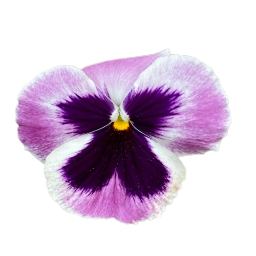
This section covers the benefits of how flowers can help heal through their colour, scent patterns and connection to life and nature. It also provides some evidence regarding the association of certain flowers with mental health illnesses, although more research is needed in this area.
If you are recieving care for a mental health disorder, flowers can provide a complementary approach, and should NOT be seen as a substitute for any medical care you may be recieving.
Aromatherapy
The smell of the flowers is as important as their visual appeal. Simply having flowers in your workspace or home environment can be beneficial to your spiritual and physical well being. The therapeutic power of flowers is used in aromatherapy to treat numerous medical conditions.
Lowri Dowthwaite, a specialist in psychological interventions at the University of Central Lancashire, believes that the act of inhaling the scent of flowers has been shown to lower cortisol levels in the body, which in turn lowers accumulated tension and anxiety and makes us feel more at ease. Additionally, flowers have the ability to release endorphins, which improve our mood and make us happier. It’s no wonder the expression “stop and smell the roses” is so popular!
Chromotherapy
Chromotherapy refers to healing through colour and in the case of flowers, flowers of different colours to help heal individuals based on the issues they are experiencing. Given that colour may significantly affect our mood, when buying flowers for a friend or yourself, you should take colour into account.
Additionally, each colour has its own significance and can influence a variety of feelings. According to a book written by Faber Birren, an American author and consultant on colour and colour theory, less saturated and brighter flowers tend to provoke softer feelings such as tranquility and are therefore more calming, whereas strongly saturated colours tend to provoke more intense feelings such as joy and heightened energy.
Here are a few examples:
- Red: the colour of love, passion, respect, desire, and bravery.
- Orange: a very vivid and bold colour, represents excitement and enthusiasm.
- Yellow: represents joy and happiness, good fortune, mood-lifting, and friendship.
- Green: symbolises good health and fortune, rebirth and rejuvenation, and tranquillity.
- Blue: a calming colour that may also convey sadness. It helps people unwind and relieve stress.
- Purple: the ideal colour to express respect and admiration.
- Pink: can also stand for love, joy and tenderness.
- White: represents a range of feelings, from innocence to sympathy.
Designs & Patterns
What comes to mind when you think of flower designs? You may be thinking of individual flower designs or how flowers are arranged in different ways to form fascinating patterns, either in a bouquet or in an outdoor setting. Although most flowers have a relatively simple overall form, their petals may be decorated with many different simple or complex shapes, such as stripes or swirls, and these may also be layered. Flowers can also be arranged
in multiple ways, including in a vase, in a garden, in
a field, or in the wild. The combination of aesthetic
features, including colour, scent, and patterns
produces beauty that can stir the imagination
as well as the heart and soul!
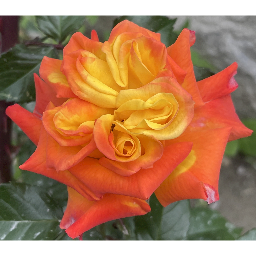
How do you feel when you receive or see fresh flowers? Do they foster a sense of connection with each other, with life, nature, or the divine? Spirits can be uplifted by the kind and thoughtful act of receiving flowers, fostering a connection with the giver as well as one’s inner self. Studies have shown that receiving flowers brings genuine smiles to people’s faces and positively impacts mood as well as social behaviour. When presented to elderly participants, it lifted their spirits and helped improve their memory. Fresh flowers can
also be a reminder of the growth
and vibrancy of life or the rhythms of
nature, including seasons such as spring
and summer. For people of faith, flowers
may represent divine blessings and
abundance. Fresh flowers can therefore
represent connection in various ways
and symbolize love, compassion, renewal,
and hope, which uplift the spirit.
Nurturing Connections
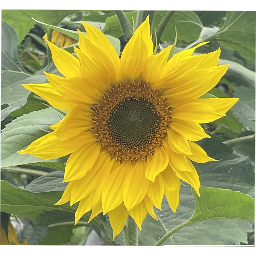
"Be like the flower; turn your face to the sun"
- Kahlil Gibran
Disorders
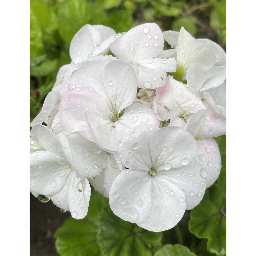
Depression - Geranium

Whether you are diagnosed with depression or may be feeling down, geraniums could come to your rescue! Geraniums have very calming scents and therefore help reduce depression and nervousness through aromatherapy. Studies have shown that when people are exposed to the scent of geraniums while completing stressful tasks, their heart rates are significantly decreased.
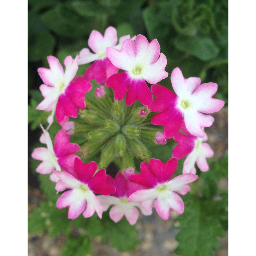
Anxiety - Verbena
Verbena flowers are known to
help provide relief for those suffering from a variety of conditions including anxiety. They are extremely vibrant and vivid, and in some cultures, they represent both protection and healing. In addition they are one of the most potent healing flowers on the planet today as they also help heal certain physical injuries.
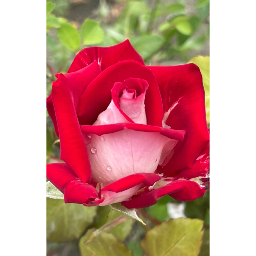
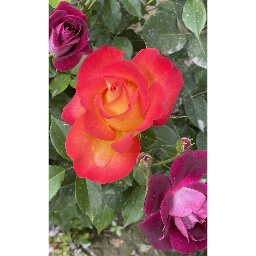
Stress - Rose
Roses can help eliminate stress, and according to a study, office workers who had roses in their work environment felt more relaxed and comfortable. This is likely related to their scent which produces endorphins that boost your mood, reduce your perception of noise, and enable you to feel calm and at peace; this in turn may help relieve headaches. In addition, roses are known to sharpen memory.
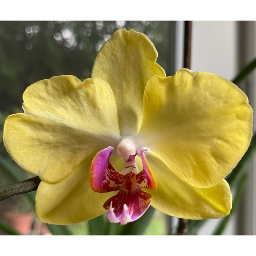
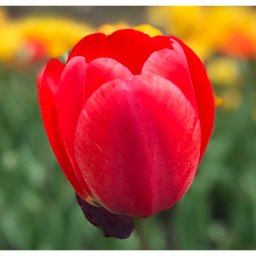
Orchids are extremely elegant and beautiful flowers, and their vibrant colours bring a pop of cheer, as well as positive energy to your environment. In addition, they increase your alpha brain waves, which helps you feel calmer and alleviates tension.
Tulips are simple, pretty flowers, able to brighten even the darkest of days. In this way, they help to alleviate worry and tension and make you feel better. In addition, these gorgeous flowers are only available during springtime thus symbolising new beginnings, which makes us appreciate them further.
Worry/Tension - Orchid/Tulip
Insomnia - Lavender
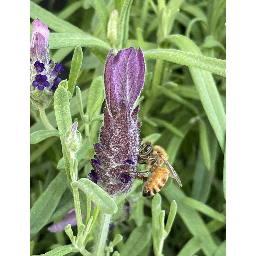
Lavender is one of the most aromatic flowers and is commonly used in
aromatherapy. Its aroma is proven to provide soothing and calming effects which help ease your mind and body permitting you to relax and feel better. These flowers can help reduce anxiety and stress, which reduces blood pressure and slows heart rate, and this can help you
get a good night's rest.
PTSD - Jasmine
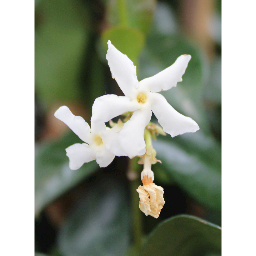
Jasmine, a beautiful bloom, is known to reduce heart rate and help with sleep difficulty. With its all-white colouring and simple, light-weight structure, it looks soothing and calming to the eye. Given these properties, Jasmine is said to help in healing past trauma as well as aiding with relaxation and calm, in particular through
aromatherapy. The word "Jasmine" originates from the Persian name ‘Yasmeen’, which means “gift from God“.
Dementia/ADHD
Although there is no specific flower that is proven to help with dementia and ADHD, Hall and Knuth review the emotional and mental health benefits of biophilia, which is humans’ tendency to seek connections with nature and other forms of life. They review studies that show being in nature and greenspace can help improve memory retention in patients suffering from strokes and dementia, and this may include roses, as they help sharpen memory. Studies also show that exposure to green spaces also improves concentration and mental ability, including for children with ADHD.
Schizophrenia
Although there is no specific flower that is proven to help with schizophrenia, in a study conducted by Mochizuki-Kawai and others, patients with schizophrenia participated in a structured, symmetric floral arrangement task. This helped them think about how objects are seen and arranged in space, as well as enhancing how much 3D information they can retain while doing a task. This study was conducted with a small number of people and needs to be repeated with a larger number of participants to validate its findings.
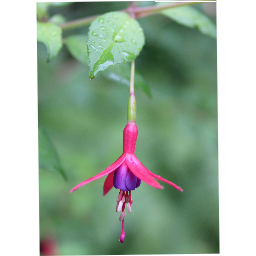
Autism
Although there is no specific flower that is proven to help with autism, gardening is known to improve physical, social, sensory, and emotional health. Gardening can also help improve symptoms of autism while encouraging the development of critical life skills. Studies show that when participating in activities such as plant cultivation, individuals with autism improved in their interaction with others, and gained more independence. Sensory gardens have also been proven to be useful as they provide a calming, multi-sensory stimulating environment.
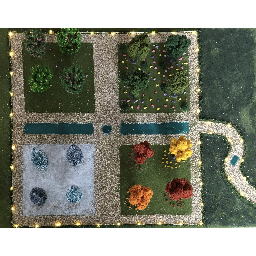
Eating Disorders
Gardening guided by a professional (horticultural therapy) is a type of therapy
that can reduce anxiety, enhance mood, and improve your relationship to food and eating. According to horticultural therapists, many people in eating disorder recovery find gardening therapeutic, because by caring for plants, patients understand that they need to care for themselves, starting with healthy, nutritious meals and engaging in fun exercises.
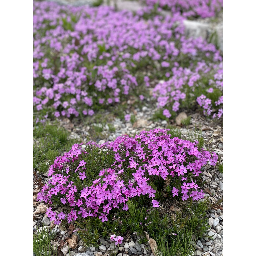
This section has covered several ways in which flowers can have positive effects on your
well-being, including if you have a mental health disorder.
If you feel the need to elevate your spirit, consider having flowers in your environment, and using tips and ideas from this section.
P.S. Keep in mind that some of the visual benefits of flowers may be obtained by having a painting or pictures of flowers, paper or fake flowers or floral design elements in your built environment.
"Deep in your wounds are seeds, waiting to grow beautiful flowers"
- Niti Majethia
Part 3
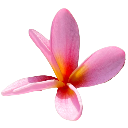
Have you ever heard someone say that colouring mandalas can be meditative? Personally, I love colouring flower mandalas in my free time, as it is a source of relaxation and enjoyment.
This section is filled with beautiful drawings of flowers that you can print and colour; it also has suggestions for colouring apps that you can enjoy on your phone, tablet, or computer.
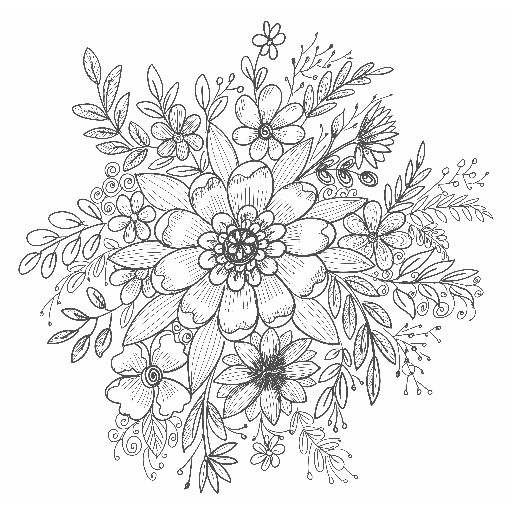
Image by Harryarts on Freepik
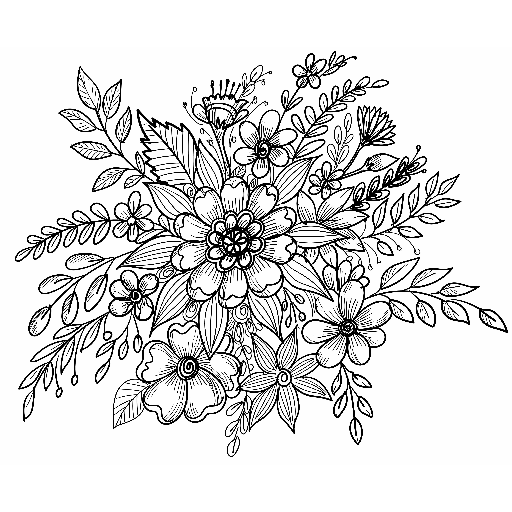
Image by: Harryarts on Freepik
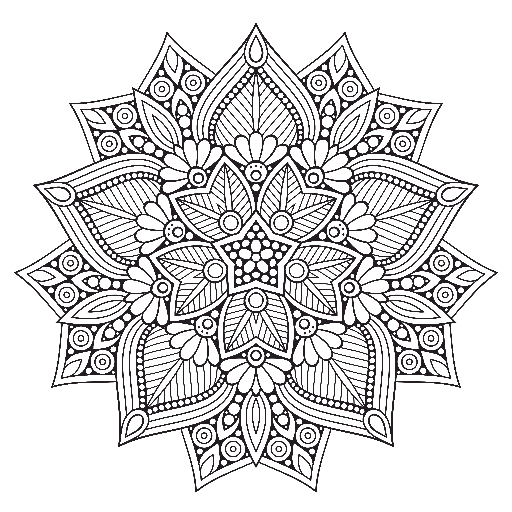
Image by lovelymandelaworld on Freepik
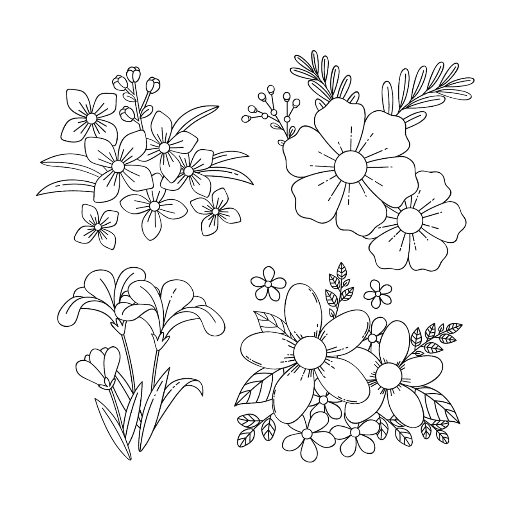
Image by Freepik
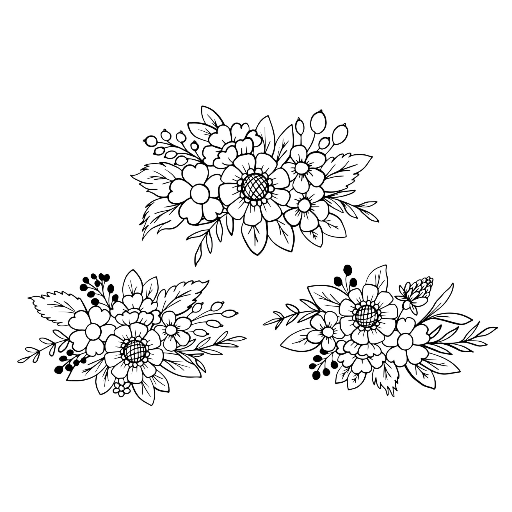
Image by orchidart on Freepik
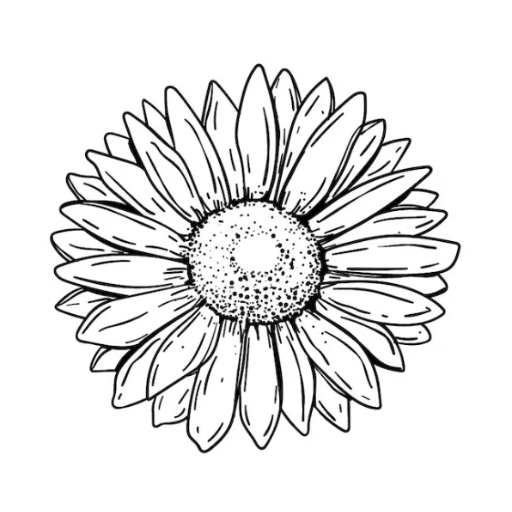
Image by pikisuperstar on Freepik
Image by pikisuperstar on Freepik
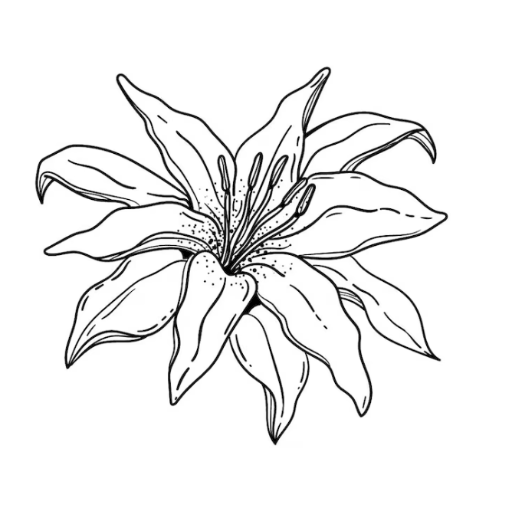
Image by pikisuperstar on Freepik
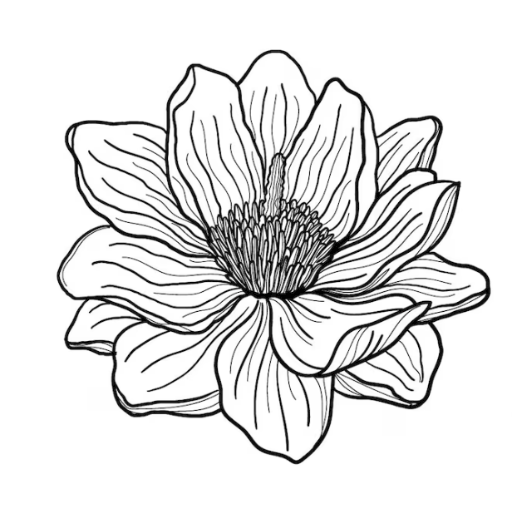
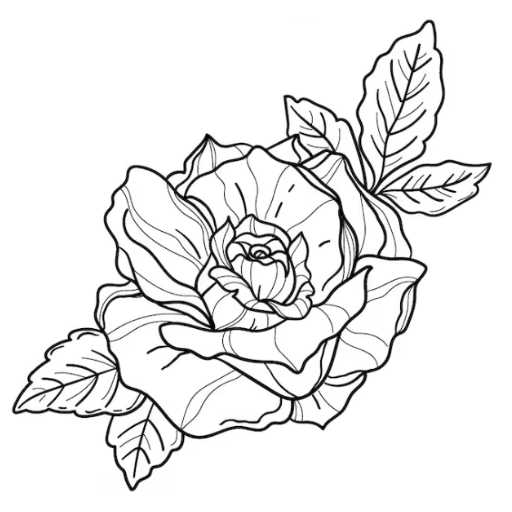
Image by pikisuperstar on Freepik
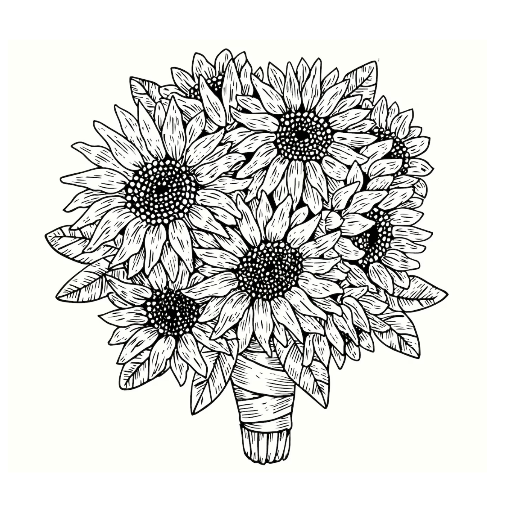
Image by pikisuperstar on Freepik
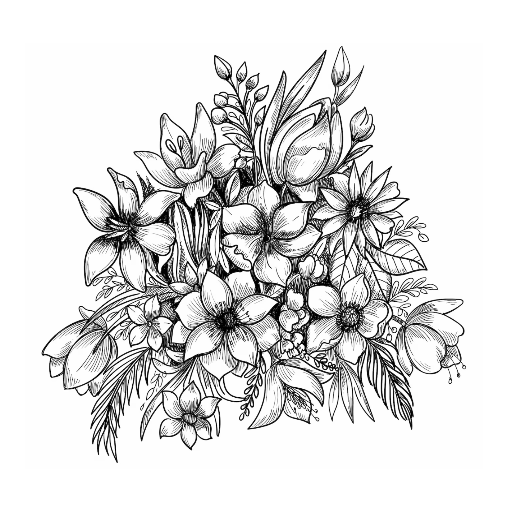
Image by Harryarts on Freepik
Some Colouring Websites & Apps

Colour by Number
"Life is like a flower, it grows into something beautiful"
- Donnajo Calhoun
Part 4
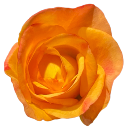
Many people around the world enjoy gardening! There are certainly physical benefits if greater time is spent outdoors and if there is some exercise involved. Gardening, however, can also have important mental health benefits.
This section explains the mental health benefits of gardening which are often overlooked. It then explains specific types of gardens and their benefits!
"Like a flower, allow yourself to grow, even in the toughest conditions"
- Unknown
You may not have thought about gardening as therapeutic, but it is! According to research, seeing or observing gardens can foster a sense of upliftment, but actually getting involved in gardening is even more beneficial. One study showed that post-surgical hospital patients who had windows facing trees that they could see were shown to recover faster than patients who only viewed walls. Not only was their stay in the hospital shorter, patients who could see trees took fewer painkillers and medication, and got fewer negative comments from staff. In another study, elderly people in a nursing home participated in class on how to take care of plants indoors, and were then each given a plant to look after. Compared to the non-gardening residents, the gardeners had higher levels of happiness and quality of life. They also didn’t require as much staff care and supervision, and were more alert and socially interactive with others.
Gardening can be Therapy!
Research has shown that gardening can help people improve mental health in the following ways:
- Organise better
- Connect with nature
- Process what they’re going through
- Healing past traumas
- Social/educational benefits
Types of Healing Gardens
Sensory garden:
A garden that is inclusive of all ages and abilities and designed so that you may experience nature through all the senses.
Community garden
A space where everyone can work together, tend to their
gardens, grow food, meet new people and foster new connections. This includes improving your self-esteem, teamwork, social interaction, planning, problem solving and coping skills, as well your passion for gardening.
Indoor vs. Outdoor Gardens
Outdoor gardens
They provide you with a more natural environment, fresh air, sunshine, typically more ground space, and an opportunity to meet new people. Spending time outdoors doing actual gardening on the ground, keeps you active. In addition, the plants that you grow outside tend to be a bit healthier, have greener leaves, are generally taller in size, and the soil is much more fertile as it is filled with natural nutrients and insects.
Indoor gardens
Provides a smaller space to plant e.g. with pots, but also makes it easier to handle and more affordable. In addition, if you live somewhere where it gets cold at night, you don’t have to bother covering your plants because they’re already inside! Although it may not seem as exciting as an outdoor garden, indoor gardens are a great alternative, and you still have the benefit of growing flowers!
- Consider planting in a community garden
- Attend a short course or do a search
- Get guidance from a professional
- Select flowers that are easy to take care of depending if you are indoors or outdoors (try to select from the flowers discussed in section 2)
Tips for beginners on how gardening can be initiated:
"Where flowers bloom so does hope"
- Lady Bird Johnson
- Full access to our public library
- Save favorite books
- Interact with authors
- < BEGINNING
- END >
-
DOWNLOAD
-
LIKE(5)
-
COMMENT()
-
SHARE
-
SAVE
-
BUY THIS BOOK
(from $18.59+) -
BUY THIS BOOK
(from $18.59+) - DOWNLOAD
- LIKE (5)
- COMMENT ()
- SHARE
- SAVE
- Report
-
BUY
-
LIKE(5)
-
COMMENT()
-
SHARE
- Excessive Violence
- Harassment
- Offensive Pictures
- Spelling & Grammar Errors
- Unfinished
- Other Problem






COMMENTS
Click 'X' to report any negative comments. Thanks!