Planet Earth, stars, and pretty much everything in space was made during the big-bang. A huge explosion that resulted in the creation of the universe.
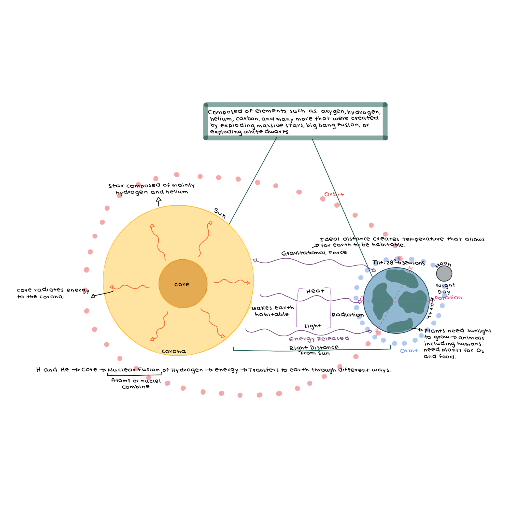
The sun, the biggest star in our galaxy, is the center of our solar system. You know, that big yellow ball that shines during the day? Yep, we revolve around it, and its strong gravitational pull keeps us in orbit.
The Earth's perfect distance from the sun is what actually makes it habitable. After all, we are far enough not to be burned alive yet close enough to keep warm.
But, what would happen if the sun disappeared?
Is that even possible?
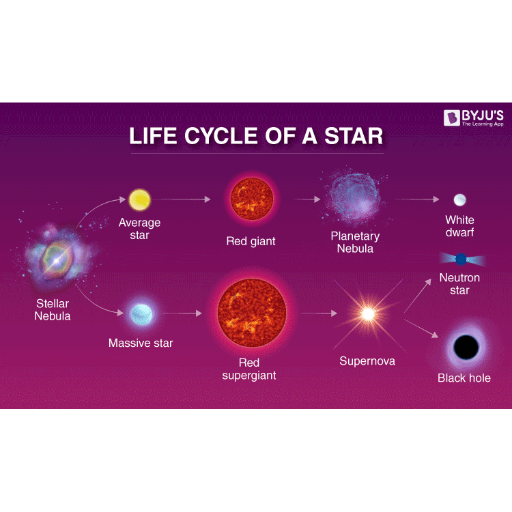
Well, it is. The sun is a star, and stars have life cycles. Like humans, stars are born, they live and then they die.

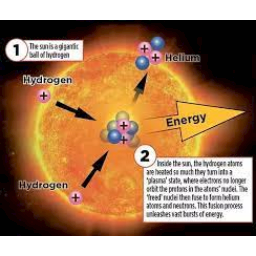
During their life, stars crate elements through fusion (the combination and re-arrangement of atmos). These are the basic building blocks for everything that exists.
In other words, we are all made up of star stuff.
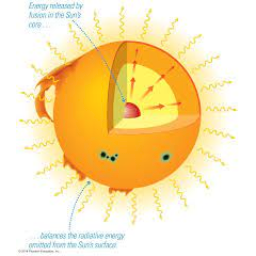
However, during the sun's life, its atoms fuse together inside the core and release energy. Its rays transfer that energy in the form of light and heat to our planet.


Energy travels in waves, a process called radiation. The size of these waves vary, and their length determines the color of the light and the intensity of the heat we recieve on Earth.
However, we are protected from harmful waves such as UV light by the atmosphere. The dense particles that surround our planet, filter out the astronomical amount of energy that some waves carry.
But, why is the sun important? Well, without it, the planet would have no source of energy. This means no heat or light.

Thus, we would live in complete darkness. We would not be able to tell the difference between night and day because there would be no sunlight to reflect upon the moon and make it visible.
Earth would also get so cold that we would freeze to death. Plants and animals wouldn't exist becasue there would be no energy to enable their growth. Without plants and animals, human life is impossible.
Planet Earth would also travel through space in a straight line, since there is no gravitational pull to keep it in orbit. This is dangerous because we are more likely to get hit by a stranded asteroid.
- Full access to our public library
- Save favorite books
- Interact with authors

- < BEGINNING
- END >
-
DOWNLOAD
-
LIKE
-
COMMENT()
-
SHARE
-
SAVE
-
BUY THIS BOOK
(from $4.39+) -
BUY THIS BOOK
(from $4.39+) - DOWNLOAD
- LIKE
- COMMENT ()
- SHARE
- SAVE
- Report
-
BUY
-
LIKE
-
COMMENT()
-
SHARE
- Excessive Violence
- Harassment
- Offensive Pictures
- Spelling & Grammar Errors
- Unfinished
- Other Problem

COMMENTS
Click 'X' to report any negative comments. Thanks!