This is for Anatomy & Physiology class - 3B sophomore


Key of the components of your membrane
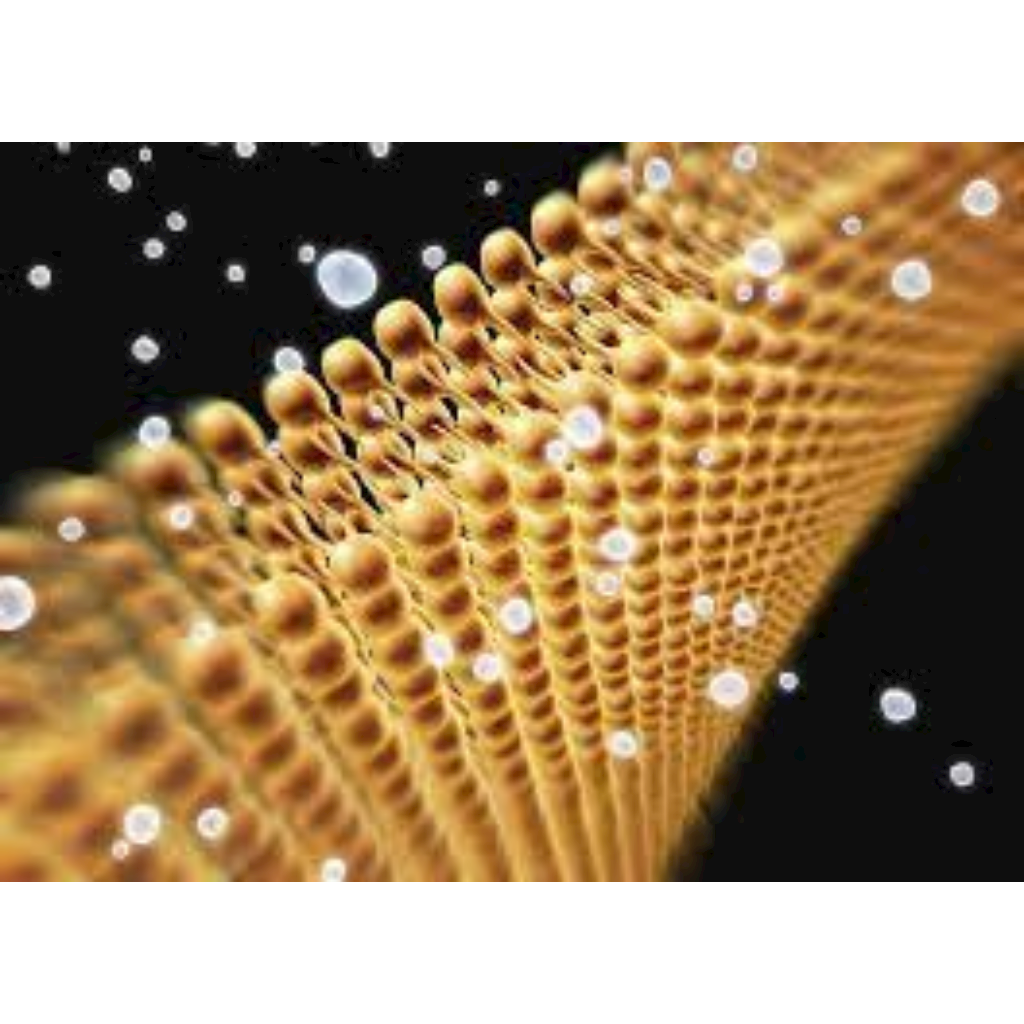
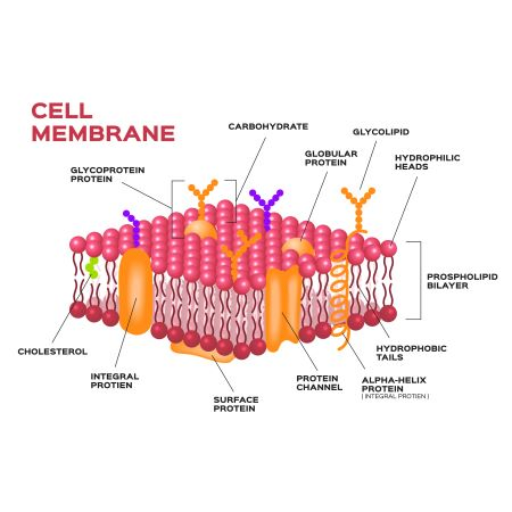
The principal components of a plasma membrane are lipids (phospholipids and cholesterol), proteins, and carbohydrates attached to some of the lipids and some of the proteins.

Phospholipids
Phospholipids are the primary structures components of cell membranes. their polar heads are hydrophilic(water loving), while their nonpolar tails are hydrophobic (repelled by water). This property allows them to form a lipid bilayer, which acts as a barrier that separates the internal and external environments of a cell.
Cholesterol

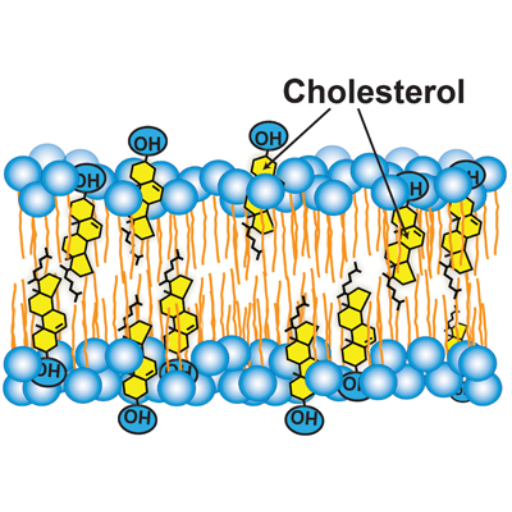
Cholesterol is found within the lipid bilayer of cell membranes. It helps regulate membrane fluidity by preventing the fatty acid chains of phospholipids packing closely together, which an make the membranes too rigid in cold temperatures and too fluid in warm temperatures.
Integral Proteins

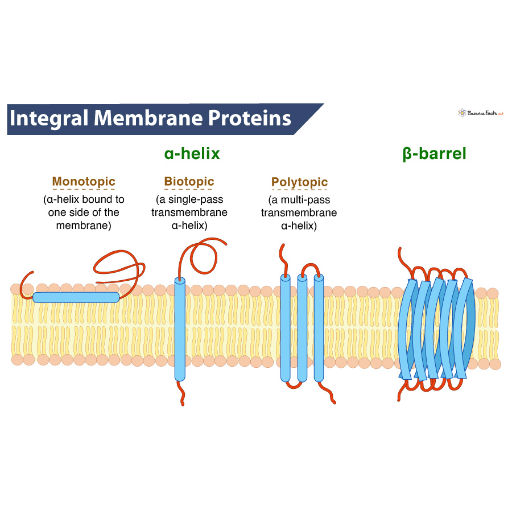
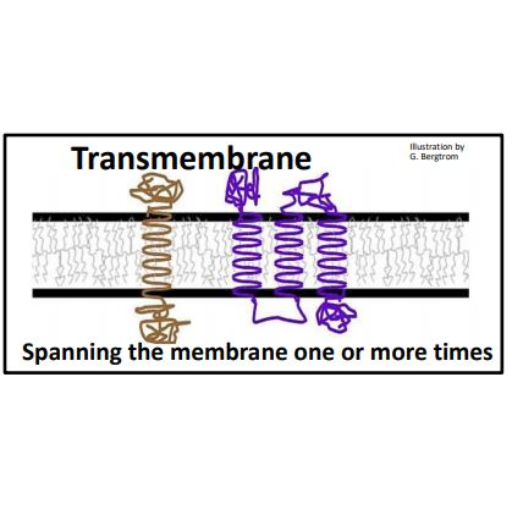
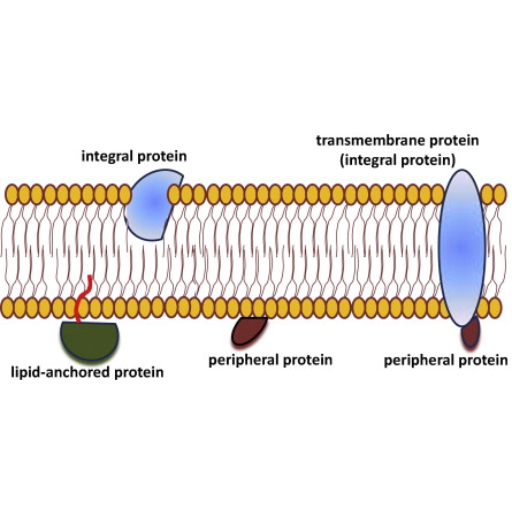
Integral proteins, also known as transmembrane proteins, span the lipid bilayer and play a key role in transporting molecules and ions across the cell membrane. They often have channels or transporters that facilitate the movement of specific substances.
Transmembrane Proteins
These proteins span the entire lipid bilayer, allowing for the transport of molecules and ions across the membrane. Some transmembrane proteins serve as receptors, transmitting signals from the extracellular environment to the cell's interior. They can also provide structural support and stability to the cell membrane.

Peripheral Proteins
Peripheral proteins are found on the outer surface of the cell membrane, often associated with integral proteins. They can participate in sina transduction by relaying signals from receptors to intracellular components. Some peripheral proteins are involved in cell adhesion, helping cells attach to neighboring cells or the extracellular matrix.

Cytoskeleton
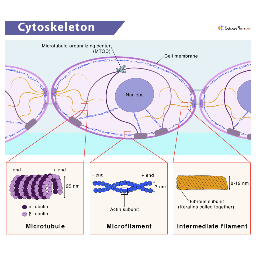
The cytoskeleton is a network of protein filaments(such as microtubules, microfilaments, and intermediate filaments) that provide structural support to the cell. It maintains cell shape and helps organize cellular components. The cytoskeleton is also involved in intracellular transport, facilitating the movement of organelles and vessels within the cell. It plays a crucial role in cell division by aiding in the separation of chromosomes during mitosis and meiosis.

Extracellular Fluid
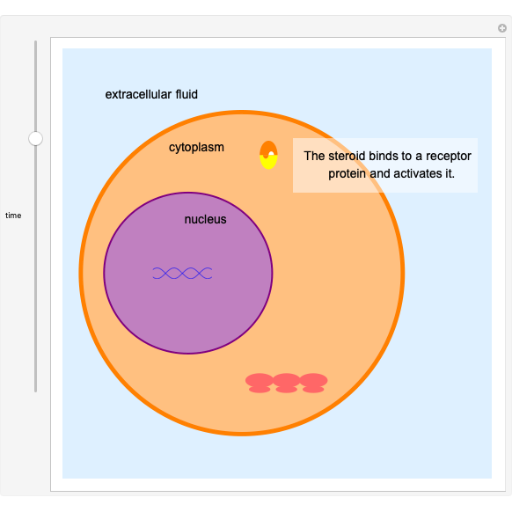
Extracellular fluid refers to the fluids outside of the cells in tissues and organs. It contains nutrients, ions, and other substances necessary for cell function. It serves as a medium for the transport of molecules and ions between cells and the bloodstream.

- Full access to our public library
- Save favorite books
- Interact with authors

- < BEGINNING
- END >
-
DOWNLOAD
-
LIKE
-
COMMENT()
-
SHARE
-
SAVE
-
BUY THIS BOOK
(from $2.99+) -
BUY THIS BOOK
(from $2.99+) - DOWNLOAD
- LIKE
- COMMENT ()
- SHARE
- SAVE
- Report
-
BUY
-
LIKE
-
COMMENT()
-
SHARE
- Excessive Violence
- Harassment
- Offensive Pictures
- Spelling & Grammar Errors
- Unfinished
- Other Problem

COMMENTS
Click 'X' to report any negative comments. Thanks!