
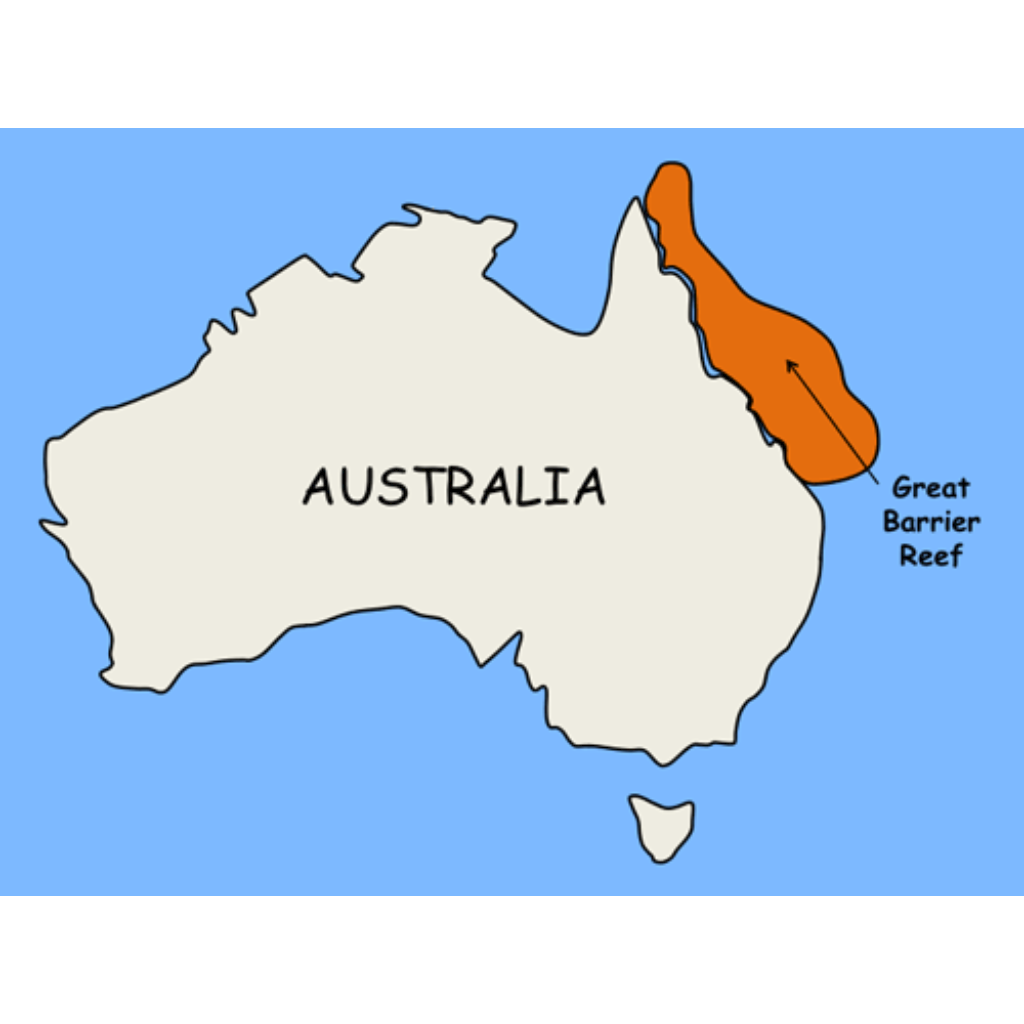
Hi there, im a Whitetip reef shark, and my home is in the great barrier reef! Just below me is a map of where my home is, right off the coast of Australia.
As You can see, there's an abundance of biodiversity with animals and flora alike. just in this picture you can see many many different species of coral, Like the staghorn coral in the bottom of the picture. staghorn corals Have the appearance of a deers antlers, and have adapted to use tiny, stinging tentacles to snatch and eat small aquatic animals known as zooplankton. We can also see some brain coral just to the right of the staghorn. Brain coral in appearance is usually round in shape, with many grooves and holes, closely resembling a brain. One interesting adaptation of brain coral is its sturdy and hard exoskeleton it developed to protect itself from fish and other would be predators. One more interesting species of fauna found in my habitat is the anemone. Sea anemones have a cylindrical, circular base that has many venomous tentacles that portrue and grow out from it. One adaptation it has are those venomous tentacles, which will sting and ward off any predators or sources of harm.
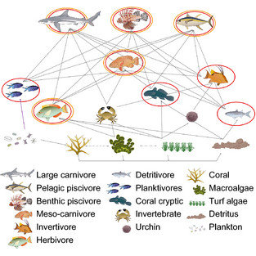
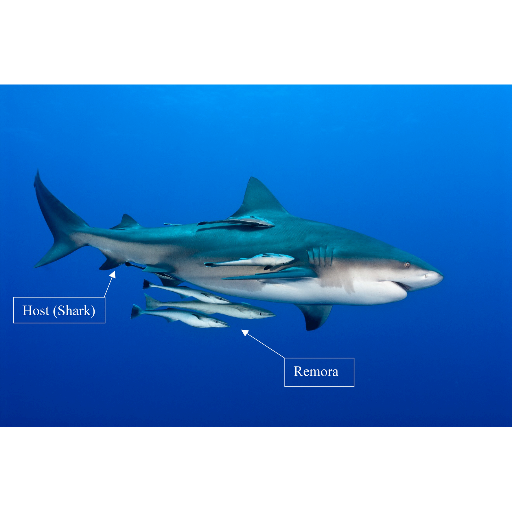
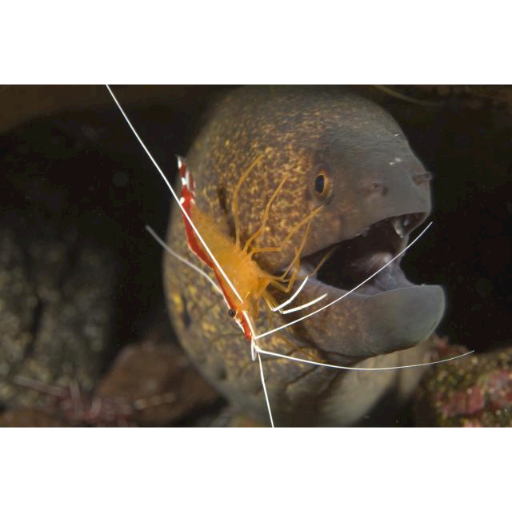
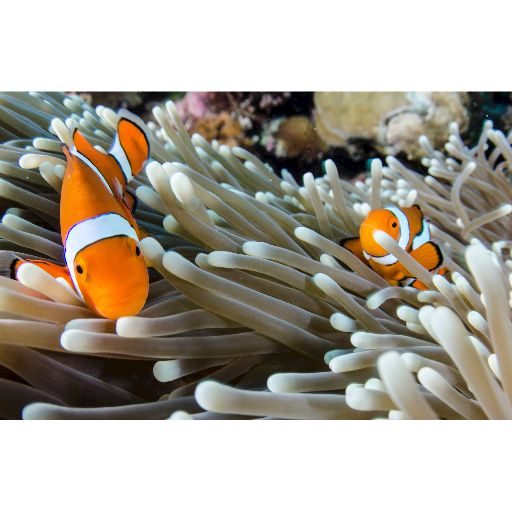
In my reef, There are lots of symbiotic relationships, for example, the picture on the top left. In it, there´s a shark swimming along and a remora attached to it. this is an example of a commensal relationship because, while the remora is attached to the shark and getting a free ride, the shark isnt being helped or hurt by the relationship. Another symbiotic relationship would be The cleaner shrimp and the moray eel, which we see in the bottom left picture. The cleaner shrimp eats all of the parasites and scraps left in the moray eels mouth and gets an easy meal, while i exchange the moray eel gets rid of all its parasites and junk in its mouth. this is a mutual relationship where both animals benefit. The last Example i have is another Mutual relationship, The clownfish and Sea Anemone. The anemone provides the clownfish shelter and protection inside of its tentacles, and the clownfish in exchange provides it nutrients in the form of waste, While also scaring off any potential predator fish. In the top right picture is a food web of the great barrier reef, displaying how each level of fauna and flora interact and the relationships they have within the ecosystem.
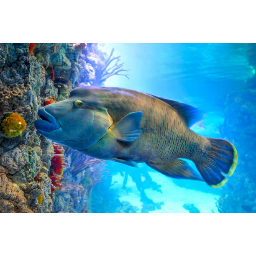
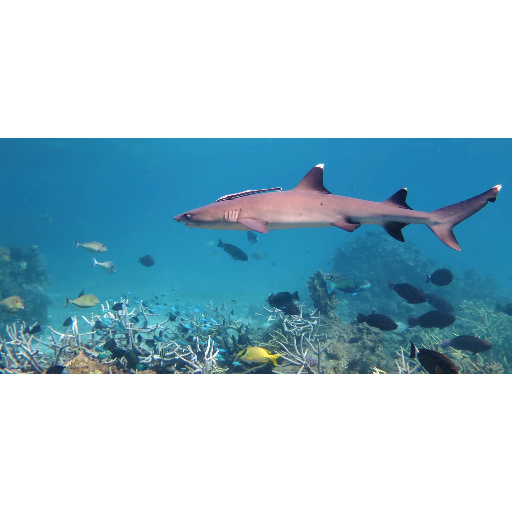
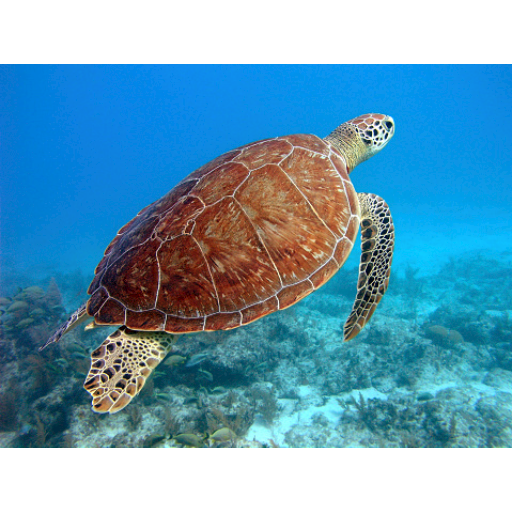
Theres also many many types of fauna in my biome. For example, in the top left we see a species of fish called the Humphead Wrasse. The Humphead wrasse is a large, colorful fish, easily identifiable by the large lips, and prominent bump on its head. One of its adaptations is the way its mouth has formed to have hard teeth designed for chewing and eating hard-shelled crustaceans. in the top right we see a picture of a green sea turtle. Green sea turtles are a large species of turtle with green scales and a massive shell. One adaptation of this turtle is its massive and protective shell, which protects its body and keeps it from being eaten by any predators. Finally, on the bottom left we have a white-tip reef shark. White tip reef sharks are usually large in size, with a prominent white coloration on the tip of their dorsal and tail fins. One adaptation of this shark is the Extra rows of teeth it has in its jaw, So that whenever it may lose one tooth, it has an almost unlimited supply to replace it.
- Full access to our public library
- Save favorite books
- Interact with authors
- < BEGINNING
- END >
-
DOWNLOAD
-
LIKE
-
COMMENT()
-
SHARE
-
SAVE
-
BUY THIS BOOK
(from $2.99+) -
BUY THIS BOOK
(from $2.99+) - DOWNLOAD
- LIKE
- COMMENT ()
- SHARE
- SAVE
- Report
-
BUY
-
LIKE
-
COMMENT()
-
SHARE
- Excessive Violence
- Harassment
- Offensive Pictures
- Spelling & Grammar Errors
- Unfinished
- Other Problem





COMMENTS
Click 'X' to report any negative comments. Thanks!