河南省Hénán Shěng
&
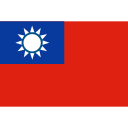
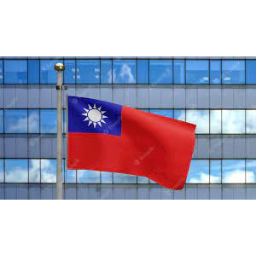
台湾Tai Wan
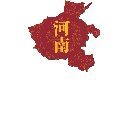

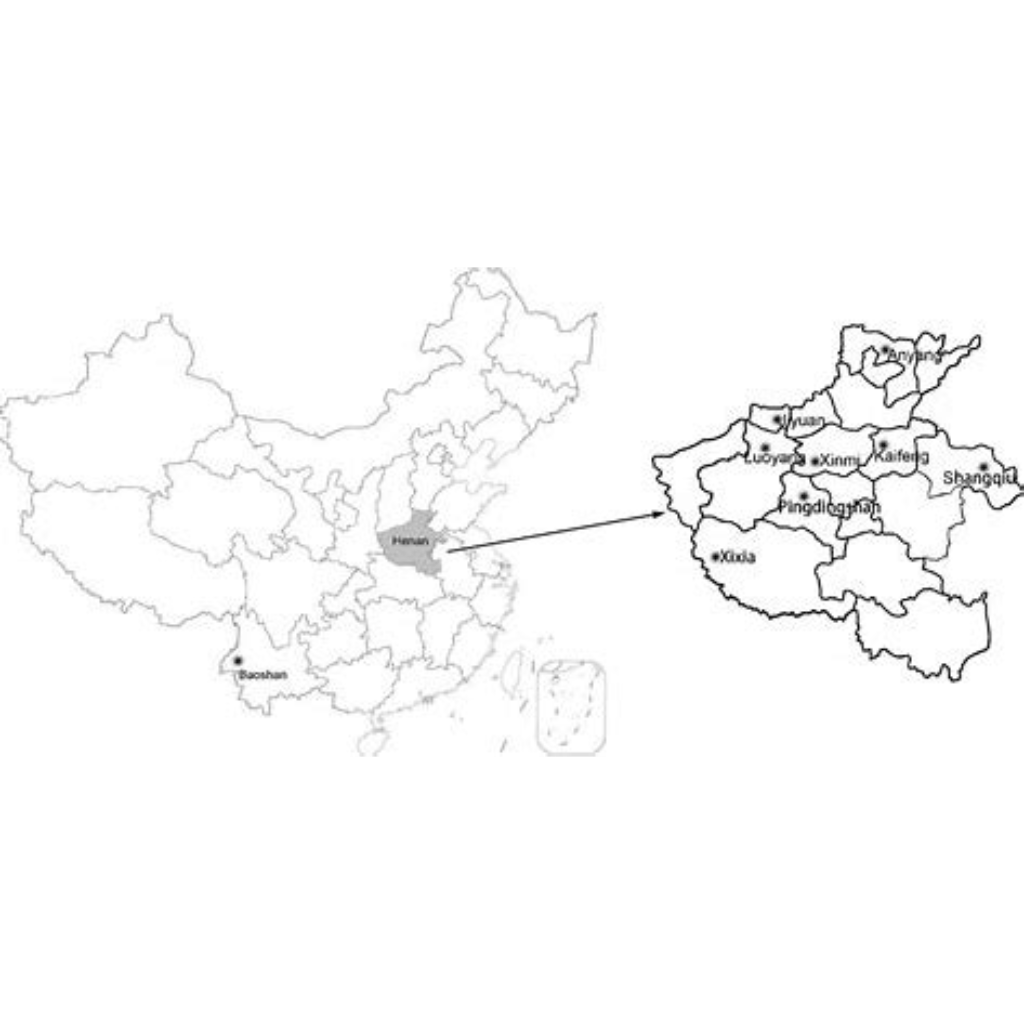
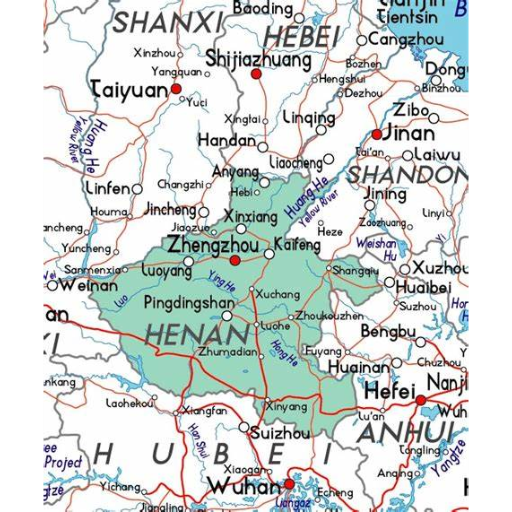
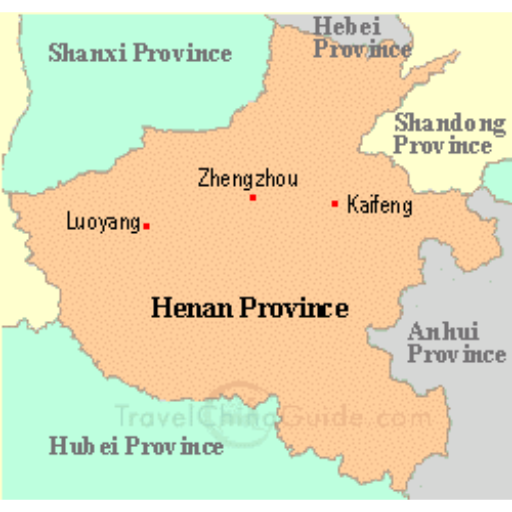
Located in the central part of China中国, the
Capital city城市: Zhengzhou郑州, Other cities:
Kaifeng开封, Luoyang娄阳, Anyang安阳
河南省Hénán Shěng
China's Cradle of Civilization/
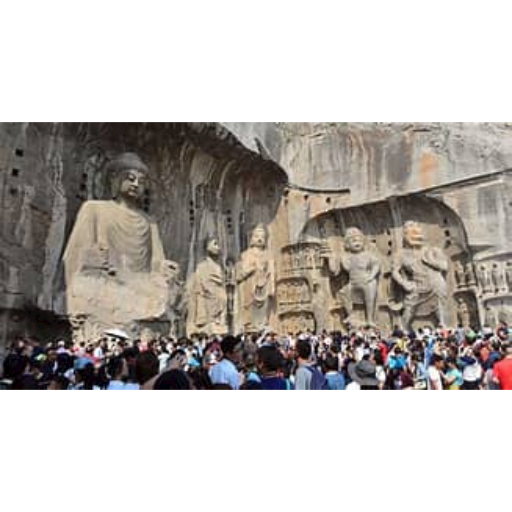
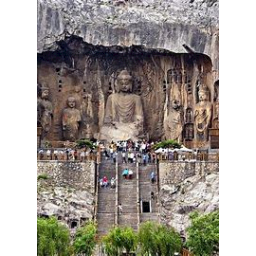
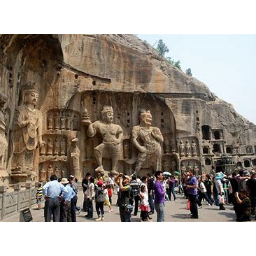
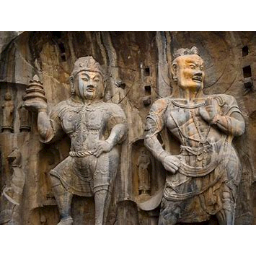
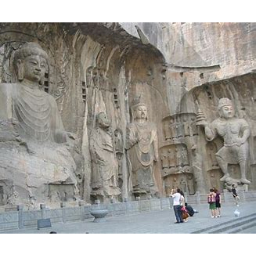
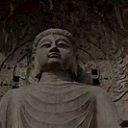
Longmen Grottoes
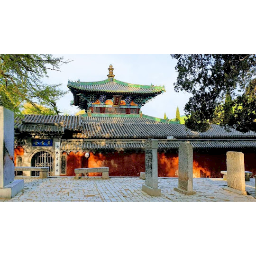
Shaolin Temple
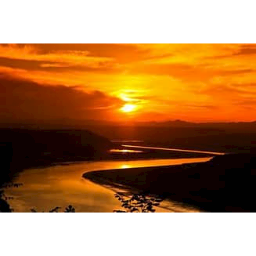
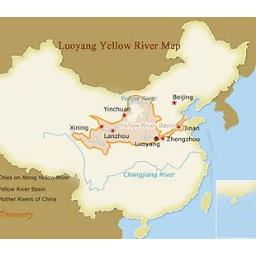
Yellow River
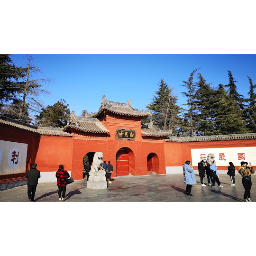
White Horse Temple
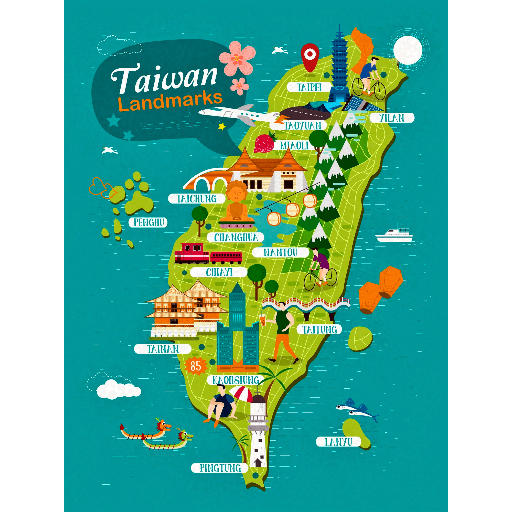
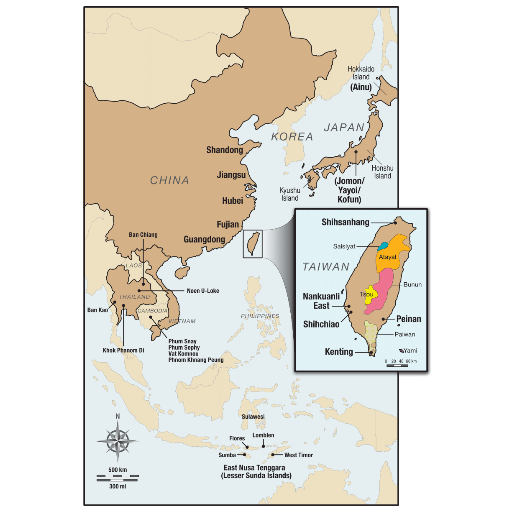
臺灣 / 台灣
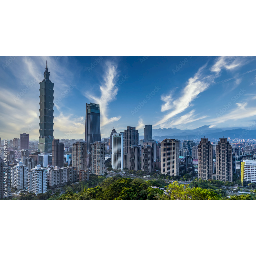
Taipei can be found in the northern part of Taiwan, surrounded by mountains and rich landscapes.
Capital City城市: Taipei City臺北市 (largest)
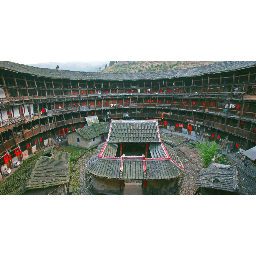
Fujian Tulou
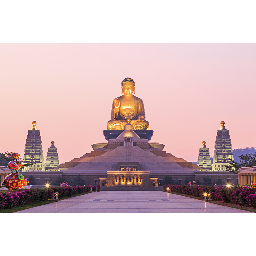
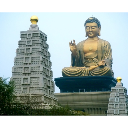
Fo Guang Shan Buddha Museum
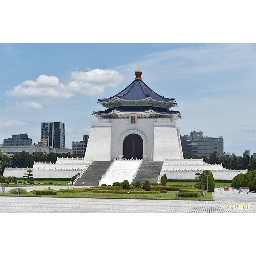
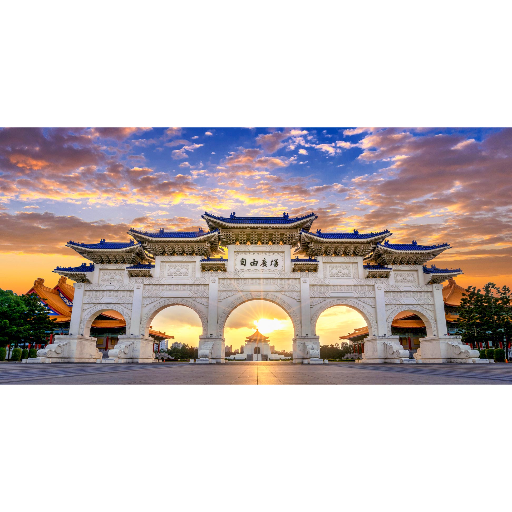
Chiang Kai-shek Memorial Hall
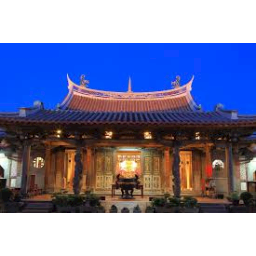
Bangka Longshan Temple
Famous有名:
Henan Province 河南省份 Hénán Shěng fèn.
- Rich cultural heritage
- Historical significance
- Birthplace of Han Chinese civilization; writing and culture
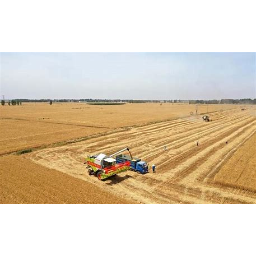
- Agriculture
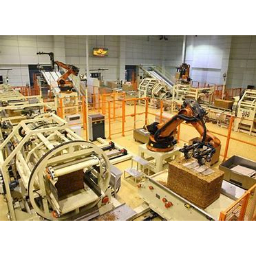
- Industry
- Technology
- Contributor to China's food supply; winter wheat, millet, kaoliang (a variety of grain sorghum), soybeans, barley, corn (maize), sweet potatoes, rice, and green lentils.
- hosts various cultural festivals and events; annual
Henan Shaolin Kung Fu Festival, showcasing martial arts
and traditional Chinese culture
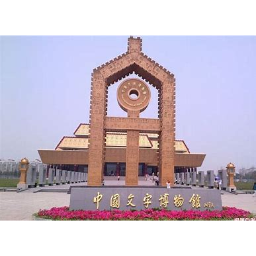
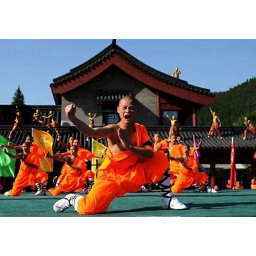
Shaolin Kung Fu Festival
Taipei City Famous有名:
- Xinyi District (信義)
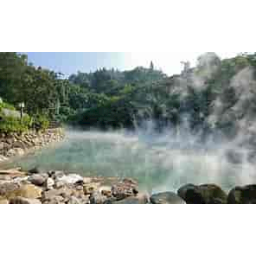
- Beitou District (北投)
- Datong District (大同)
- Taipei 101 (台配101)
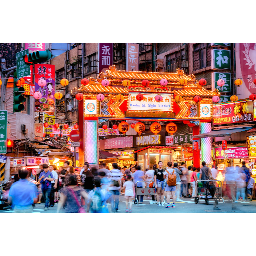
- Night Markets
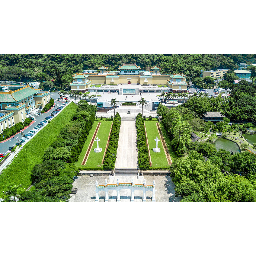
- National Palace Museum
- Local cuisine
- Food street foods
- Longshan Temple (龍山寺)
- Fujian Tulou
(福建土楼的中文名称是
"福建土樓)
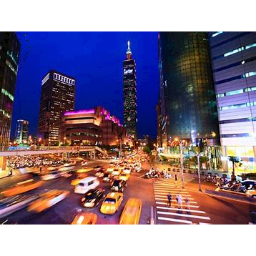
信義
北投
大同
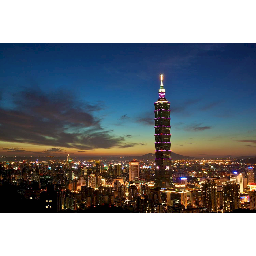
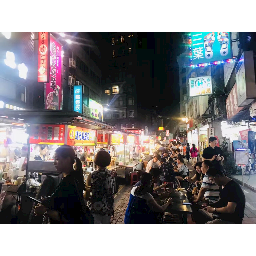
Taipei 101
National Palace Museum
Shuangcheng
Raohe
New Taipei City Famous (新北市):
Special Municipality in Northern Taiwan
Capital: Banqiao District (板橋)
Famous Areas: Tamsui District (淡水), Jiufen (九份), Shenkeng Old Street (深坑老街)
Population: Approximately 4 million
History: Formed in 2010 by the merger of Taipei County and the city of Taipei, New Taipei City has a mix of urban and suburban areas.
Specialties: Tamsui Fisherman's Wharf, Shifen Old Street, Wulai Hot Springs.
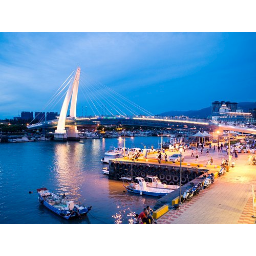
淡水
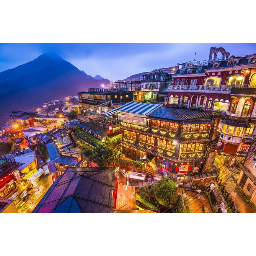
九份
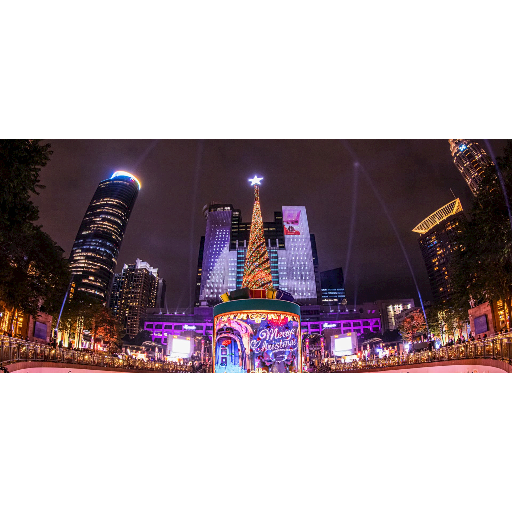
板橋
Taichung City Famous (台中市):
Special Municipality in Western side of Central Taiwan
Capital: Taichung (台中)
Famous Areas: Xitun District (西屯), Fengjia Night Market (逢甲夜市), Sun Moon Lake (日月潭).
Population: Approximately 2.8 million
History: Taichung has a history dating back to the Qing Dynasty and has grown into a major cultural and economic center.
Specialties: Sun Cake (太陽餅), Bubble Tea (珍珠奶茶), Pineapple Cake (鳳梨酥) , Braised Pork Rice (滷肉飯).
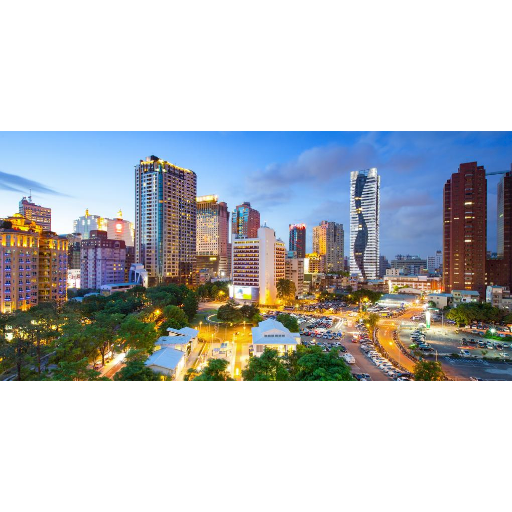
台中
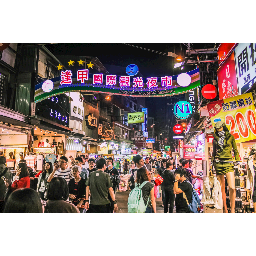
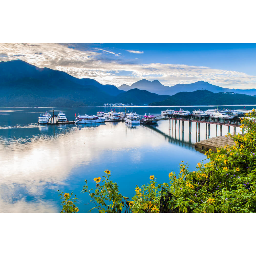
日月潭
逢甲夜市
河南省Hénán Shěng
It has a rich history dating back thousands of years and is often referred to as the "Cradle of Chinese Civilization" due to its historical significance.
Henan, a cradle of
Chinese civilization,
is graced by the
Yellow River, known
as China's "Mother
River." Archaeological
finds, like the famed
Erlitou二里頭 site, points
to its early role in Chinese culture.
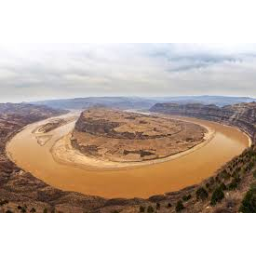
Yellow River
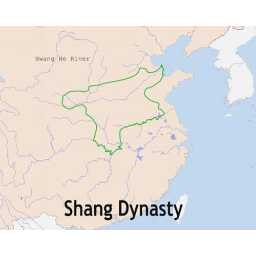
商朝/殷代Shāng Cháo
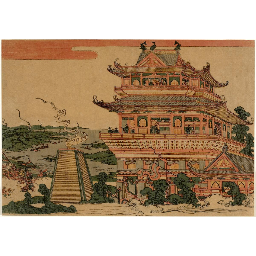
The ancient Shang Dynasty (16th–11th century BCE) was centered in the region that is now modern-day Henan. It was during this time that the oracle bone script, one of the earliest forms of Chinese writing, was developed.
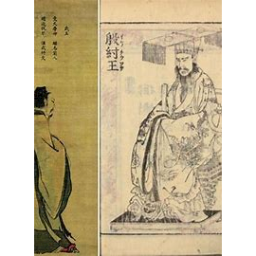
商帝辛
Shang Dynasty
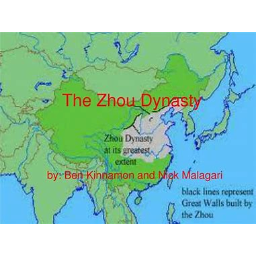
周朝Zhōu Cháo
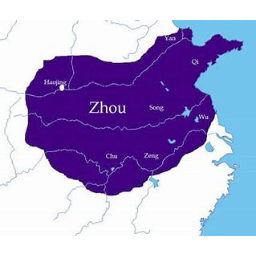
Modern History
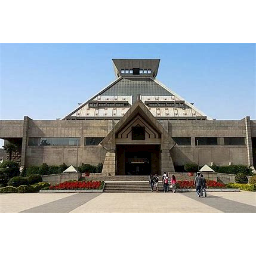
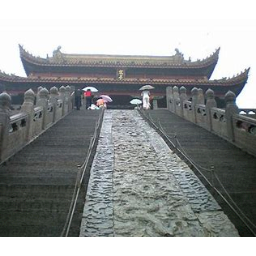
历史History; Overview
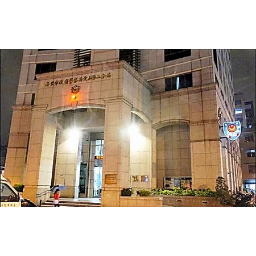
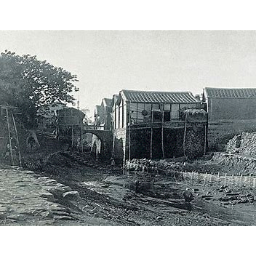
Now VS Then
Ancient Times:
Indigenous people lived in Taiwan thousands of years ago.
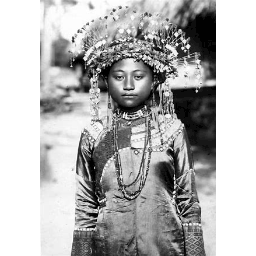
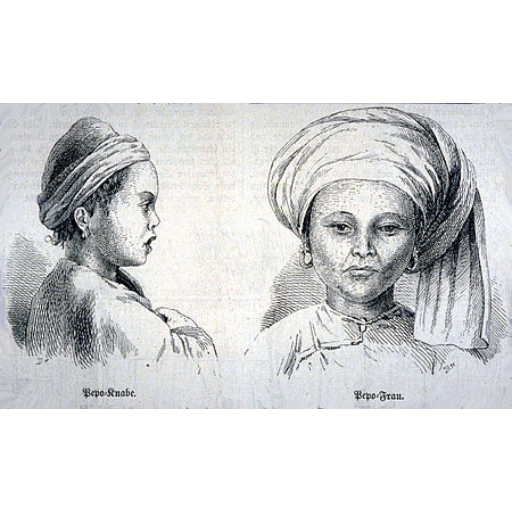
Taiwanese indigenous peoples
Chinese Arrival:
- In the 17th century, Chinese people moved to Taiwan because the Ming Dynasty in China had fallen.
- Before the arrival of the Chinese, Taiwan was home to indigenous groups.
- The Chinese settlers faced challenges adapting to the new environment and interacting with the local indigenous people. Over time, the Qing Dynasty officially included Taiwan in its empire. This marked the start of a new era in Taiwan's history, where the blending of Chinese and indigenous cultures influenced the island's unique identity.
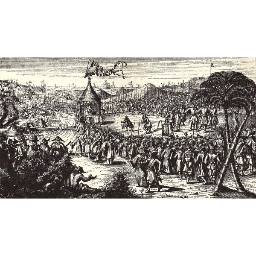
Qing Dynasty Rule:
-Qing Dynasty Rule (17th Century): Taiwan became part of the Qing Dynasty's empire.
-Encouraged Migration: Qing rulers promoted Chinese migration to Taiwan for economic and strategic reasons.
-Hakka and Hoklo Arrival: Hakka and Hoklo ethnic groups were among the migrants, contributing to Taiwan's cultural diversity.
-Community Growth: Hakka and Hoklo communities flourished across Taiwan.
-Cultural Exchange: Interaction with indigenous groups influenced the island's social fabric. (diversity)
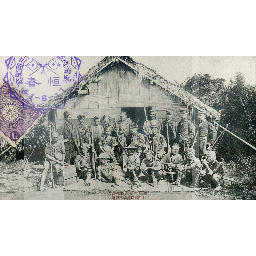
Japanese Rule:
- Japanese Control (1895-1945): Taiwan was under Japanese rule during this period.
- Japanese government had great impact on Taiwanese society. (Education, infrastructure, administration)
- Taiwan experienced economic growth and modernization, becoming an industrial society.
- Taiwan returned to Chinese control after Japan's defeat in WW2.
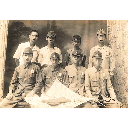
Post-World War II:
- This led to an increase of Chinese people, including Kuomintang 國民黨 (KMT) officials and soldiers.
- Taiwan moved from under Japanese rule to being self-governed. (independent)
- The different backgrounds of the Chinese migrants contributed to Taiwan's cultural richness.
Economic Growth:
- Export-Focused Growth (1960s-1970s): Shifted to manufacturing for exports.
- Government Initiatives: Encouraged foreign investment and tech transfer.
- Education and Infrastructure (1950s-1980s): Invested in education and built strong infrastructure.
- Global Trade Engagement (1960s-present): Actively involved in international trade.
- Tech Emphasis (1980s-present): Transitioned to high-tech industries.
- Diversification (1980s-present): Expanded industries beyond electronics.
- Global Competitiveness (1980s-present): Maintained high global competitiveness.
China-Taiwan Tensions:
One-China Dispute: China claims Taiwan.
Historical Split (1949): Civil war aftermath led to Taiwan's separate governance.
Economic Ties: Growing economic links during political tensions.
Military Posture: Tensions in the Taiwan Strait due to military readiness.
Global Concerns: International worry about the situation's implications.
Modern Taiwan:
Self-Governance: Taiwan operates independently.
Economic Prosperity: Thriving economy, especially in high-tech sectors.
Democratic System: Functioning democracy with regular elections.
- Ongoing tensions with China over sovereignty.
Technological Advancements: Global leader in technology and innovation.
Diplomatic Challenges: Faces diplomatic isolation due to pressure from China.
Uncertain Future: Political future remains uncertain amid complex international dynamics.
宗教Religion
洛阳Luoyang.
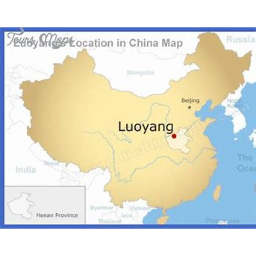
Longmen Grottoes
宗教Religion; Buddhism
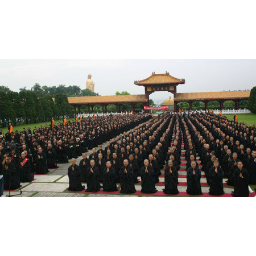
Buddhism in Taiwan, primarily Mahayana 大乘佛教 (Dàchéng Fójiào)., is deeply woven into the culture with a network of temples and monasteries.
It blends traditional Chinese practices, emphasizing compassion and the Bodhisattva path, impacting art, literature, and societal values. Buddhist festivals are celebrated, and a vibrant monastic community actively engages in spiritual practices and community service, contributing to Taiwan's reputation for religious tolerance and harmony.
宗教Religion; Taoism
- Taoism is a significant religious and philosophical influence in Taiwan.
- It blends with other traditional beliefs and plays a crucial role in shaping Taiwanese culture.
- Taoist temples are prevalent throughout the island, serving as spiritual and community centers.
- Rituals, festivals, and practices associated with Taoism are deeply embedded in Taiwanese daily life.
- Taoist values, such as harmony with nature and balance, resonate in Taiwanese society.
- Full access to our public library
- Save favorite books
- Interact with authors
The End
结束! (Jiéshù)
- < BEGINNING
- END >
-
DOWNLOAD
-
LIKE
-
COMMENT()
-
SHARE
-
SAVE
-
BUY THIS BOOK
(from $9.59+) -
BUY THIS BOOK
(from $9.59+) - DOWNLOAD
- LIKE
- COMMENT ()
- SHARE
- SAVE
- Report
-
BUY
-
LIKE
-
COMMENT()
-
SHARE
- Excessive Violence
- Harassment
- Offensive Pictures
- Spelling & Grammar Errors
- Unfinished
- Other Problem





COMMENTS
Click 'X' to report any negative comments. Thanks!