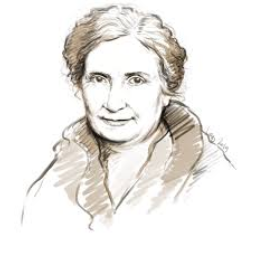
"Help me to do it by myself."

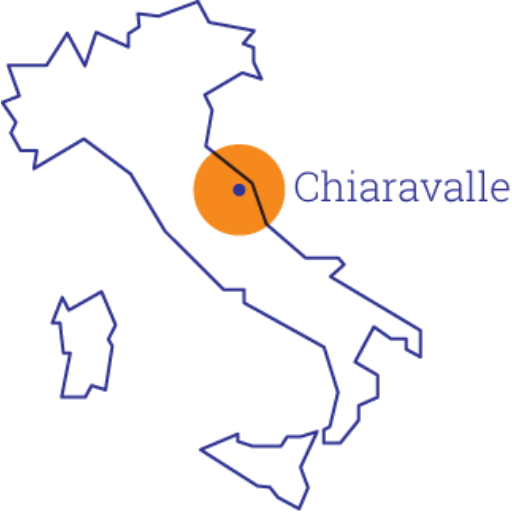
Once upon a time, in Italy, there was a very special woman named Maria Montessori. She was born on August 31, 1870, in a place called Chiaravalle.
Her father, Alessandro, was an accountant in the public administration, and her mother, Renilde Stoppani, had a good education and was passionate about reading. She was fortunate to be born into a middle-class family.
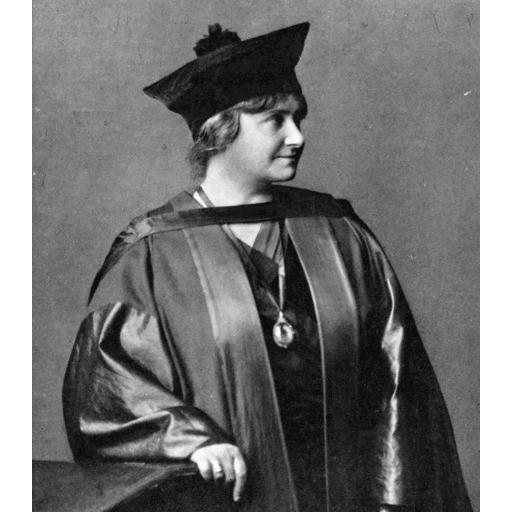
When Maria grew up, she decided to study medicine, although at first her father did not want her to. She was a very brave girl because at that time, it was not common for girls to study such important things. But she didn't mind, and she became one of the first women doctors in Italy (1896).
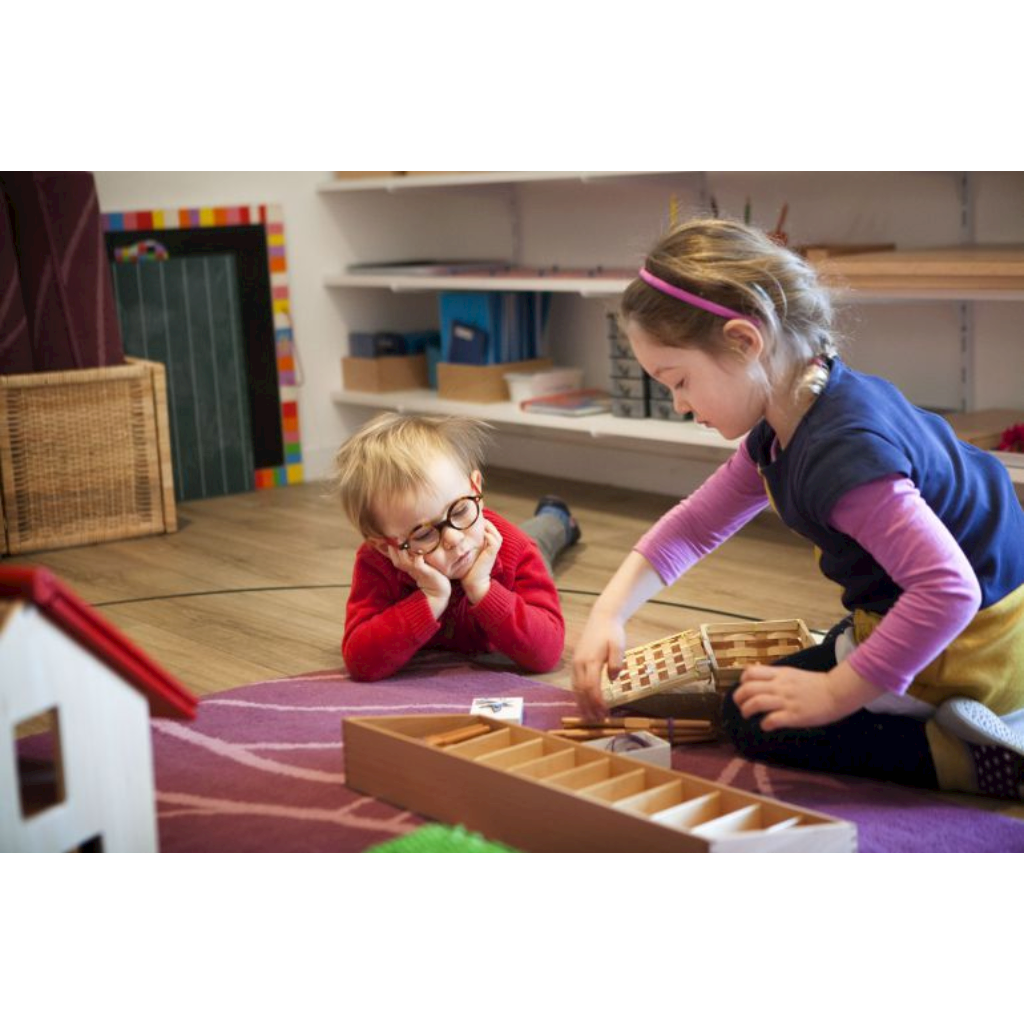
One day, while working at a hospital, Maria noticed something amazing: some children who had difficulties learning became happier when they were given the opportunity to touch, explore, and learn at their own pace.
When she was practicing as a doctor, Maria had her only child, Mario Montessori, in 1898 with a colleague. Her son was raised in a countryside home, and they reunited after some years.
Maria decided to dedicate her life to understanding children and helping poor families in the best way possible. Children from these families didn't have anyone to look after them, so they spent their days on the streets getting into misbehaviour.
In 1907, she opened the first "Casa dei Bambini" or "Children's House" in Rome. It was like a school, but very different. There were no boring desks or long lessons. She also created a garden so that the children could experience and be in contact with nature at all times. The children could choose what they wanted to do and learn through games and fun activities.
Maria loved watching the children and discovering how they learned. She gave them special tools called "Montessori materials" that helped them develop their skills in a fun way. They learned to read, write, and do math by playing but always allowing the children to learn at their own pace.
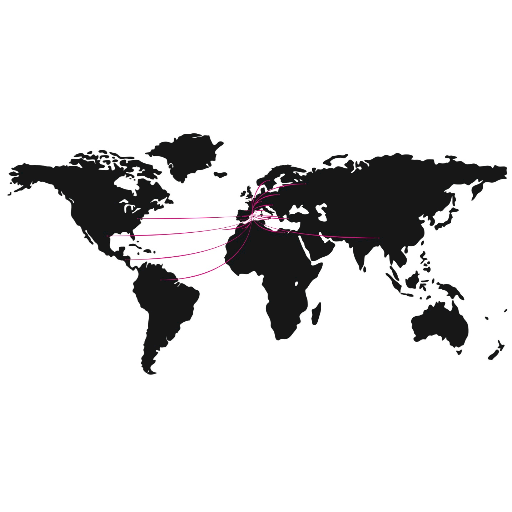
Soon, the news about the Montessori method spread worldwide. After gaining international recognition in the 1913 World Exposition, in Ghent (Belgium), the Italian educator began to travel the world, sharing her philosophy and methods with educators and parents from different cultures.
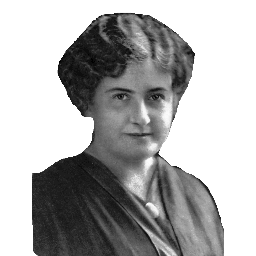
In 1929, a Montessori teacher training center was built in Rome, following her educational model.

During World War II, Maria Montessori went into exile from Italy due to her disagreements with the fascist regime. Because she refused to collaborate with Mussolini, all Montessori schools in Italy were closed.
- Full access to our public library
- Save favorite books
- Interact with authors
- < BEGINNING
- END >
-
DOWNLOAD
-
LIKE
-
COMMENT()
-
SHARE
-
SAVE
-
BUY THIS BOOK
(from $7.19+) -
BUY THIS BOOK
(from $7.19+) - DOWNLOAD
- LIKE
- COMMENT ()
- SHARE
- SAVE
- Report
-
BUY
-
LIKE
-
COMMENT()
-
SHARE
- Excessive Violence
- Harassment
- Offensive Pictures
- Spelling & Grammar Errors
- Unfinished
- Other Problem





COMMENTS
Click 'X' to report any negative comments. Thanks!