
is for atlatl
This weapon was created by the Archaic people and used for hunting. It was much more effective than a spear.

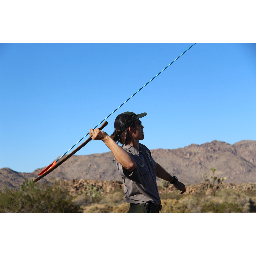
ND State Website https://www.ndstudies.gov/gr4/american-indians-north-dakota/part-2-early-history-american-indians-north-dakota/section-3-archaic-people
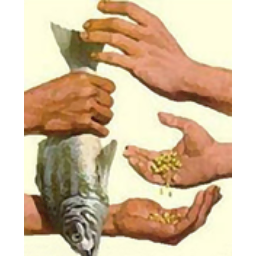
is for bartering
Tribes used this system to trade goods without using money. Nomadic tribes would often come to the villages to trade for other argricultural items.

ND State Website https://www.ndstudies.gov/gr4/american-indians-north-dakota/part-3-american-indian-tribes-north-dakota/section-2-mandan-hidatsa
is for chief

The chief has the same rank as our governor. The chief helps to lead the tribe, as the government of the state does not get involved.
ND State Website
https://mma.prnewswire.com/media/2155498/NDTD_United_Tribes_International_Powwow_Bismarck_North_Dakota.jpg
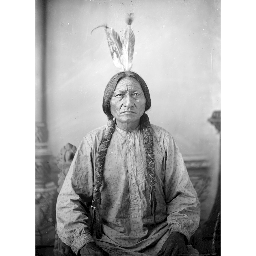
is for Dakota

"Dakota" means friend. The Great Dakota Nation included three separate groups: the Lakota, Nakota, and Dakota.
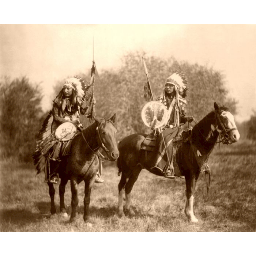
ND State Website https://www.ndstudies.gov/gr4/american-indians-north-dakota/part-3-american-indian-tribes-north-dakota/section-3-great-dakota
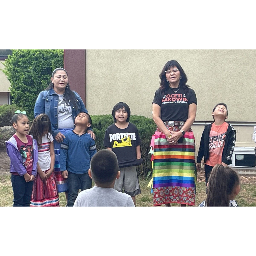
is for education

Children used to be educated by their family members. Today, children attend school on the reservation, where they can learn traditional languages and traditions along with their schooling.
ND State Website https://www.ndstudies.gov/gr4/american-indians-north-dakota/part-5-culture-american-indians-north-dakota/section-7-language-and-education
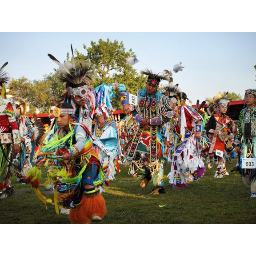
is for festivals

Festivals are an important part of American Indian culture. Traditional songs and dances are performed at these events.
ND State Website https://www.ndstudies.gov/gr4/american-indians-north-dakota/part-5-culture-american-indians-north-dakota/section-9-festivals-and-gatherings
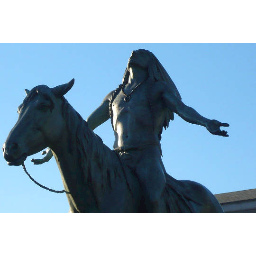
is for the Great Spirit

The Great Spirit was a god of the American Indians. When a boy was becoming a man, he would go to receive a message from the spirit. Women were conisdered as particularly close to this god.
ND State Website https://www.ndstudies.gov/gr4/american-indians-north-dakota/part-5-culture-american-indians-north-dakota/section-2-families
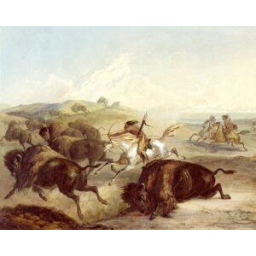
is for hunting

The plains people depended on the bison for much of their livelihood. They provided clothes, shelter, food, tools, and more.
ND State Website https://www.ndstudies.gov/gr4/american-indians-north-dakota/part-3-american-indian-tribes-north-dakota/section-3-great-dakota
is for Indians

American Indians prefer to be referred to by their tribes. There are five tribes in North Dakota.
ND State Website https://www.ndstudies.gov/gr4/american-indians-north-dakota/part-1-american-indians-north-dakota/section-1-introduction
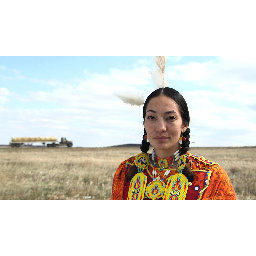
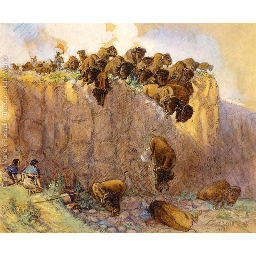
is for jump

Buffalo jump was a technique that the plains Indians used to harvest many buffalo at one time. The tribe would chase the animals over the end of a cliff and gather the ones that had been injured.
ND State Website https://www.ndstudies.gov/gr4/american-indians-north-dakota/part-5-culture-american-indians-north-dakota/section-5-food
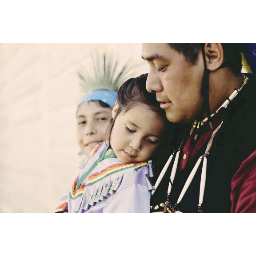
is for kids

Kids were an important part of the American Indian culture. After a child was born, a feast was held to decide and honor the name. The children were expected to learn traditions, values, and routines through the tribe's example.
ND State Website https://www.ndstudies.gov/gr4/american-indians-north-dakota/part-5-culture-american-indians-north-dakota/section-2-families
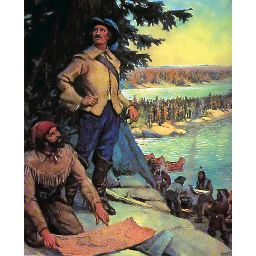
is for La Vérendrye

Pierre La Vérendrye was one of the first non-Indians to come to North Dakota. He met with some of the people there, and he recorded his travels in a journal, giving us insight.
ND State Website https://www.ndstudies.gov/gr4/american-indians-north-dakota/part-3-american-indian-tribes-north-dakota/section-2-mandan-hidatsa
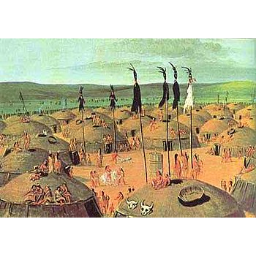
is for Mandan

About 900 years ago, the Mandan people lived near the Missouri River in North Dakota. This tribe was the first of the Plains Village people to become a modern Indian tribe.
ND State Website https://www.ndstudies.gov/gr4/american-indians-north-dakota/part-2-early-history-american-indians-north-dakota/section-6-plains-village-people
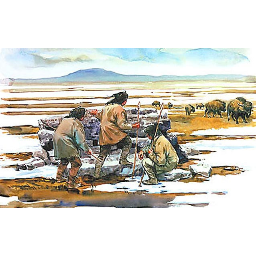
is for nomadic

The early Archaic people spread throughout North America and South America as a nomadic people, meaning they followed the animals they hunted.
ND State Website https://www.ndstudies.gov/gr4/american-indians-north-dakota/part-2-early-history-american-indians-north-dakota/section-3-archaic-people
is for Oyate Tribe

Oyate means "the people". The two tribes that compose the MNI Wakan Oyate are the Sisseton and Wahpeton tribes.
ND State Website https://www.ndstudies.gov/mni-wakan-oyate
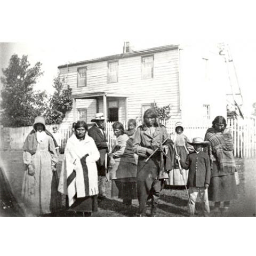
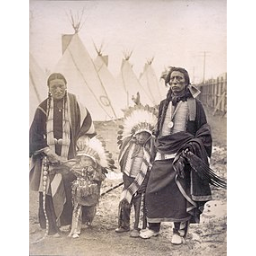
is for Plains Nomadic People

The Plains Nomadic people lived in North Dakota, but they did not have permanent homes. This early people are likely the ancestors of the Sioux.
ND State Website https://www.ndstudies.gov/gr4/american-indians-north-dakota/part-2-early-history-american-indians-north-dakota/section-5-plains-nomadic-people
- Full access to our public library
- Save favorite books
- Interact with authors
- < BEGINNING
- END >
-
DOWNLOAD
-
LIKE
-
COMMENT()
-
SHARE
-
SAVE
-
BUY THIS BOOK
(from $5.39+) -
BUY THIS BOOK
(from $5.39+) - DOWNLOAD
- LIKE
- COMMENT ()
- SHARE
- SAVE
- Report
-
BUY
-
LIKE
-
COMMENT()
-
SHARE
- Excessive Violence
- Harassment
- Offensive Pictures
- Spelling & Grammar Errors
- Unfinished
- Other Problem





COMMENTS
Click 'X' to report any negative comments. Thanks!