


I'm Sam, your friendly time-traveling scientist! Get ready for an exciting journey through history with me. In this series, we'll travel back in time to learn about fascinating events. Today, we're diving into the incredible history of India. Are you ready? Let's go on an adventure!

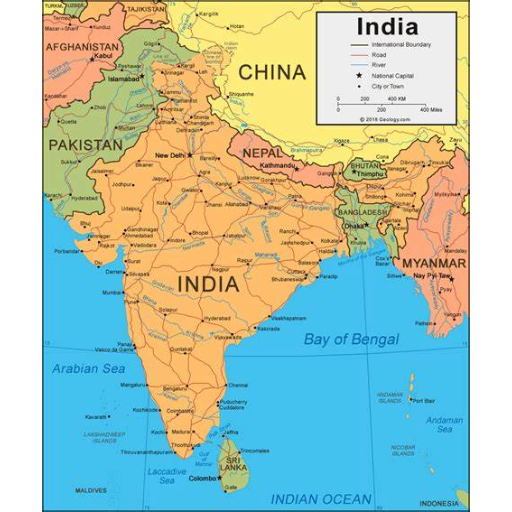
India is an ancient country. It has many neighboring countries in which some have provided very significance in it's history.
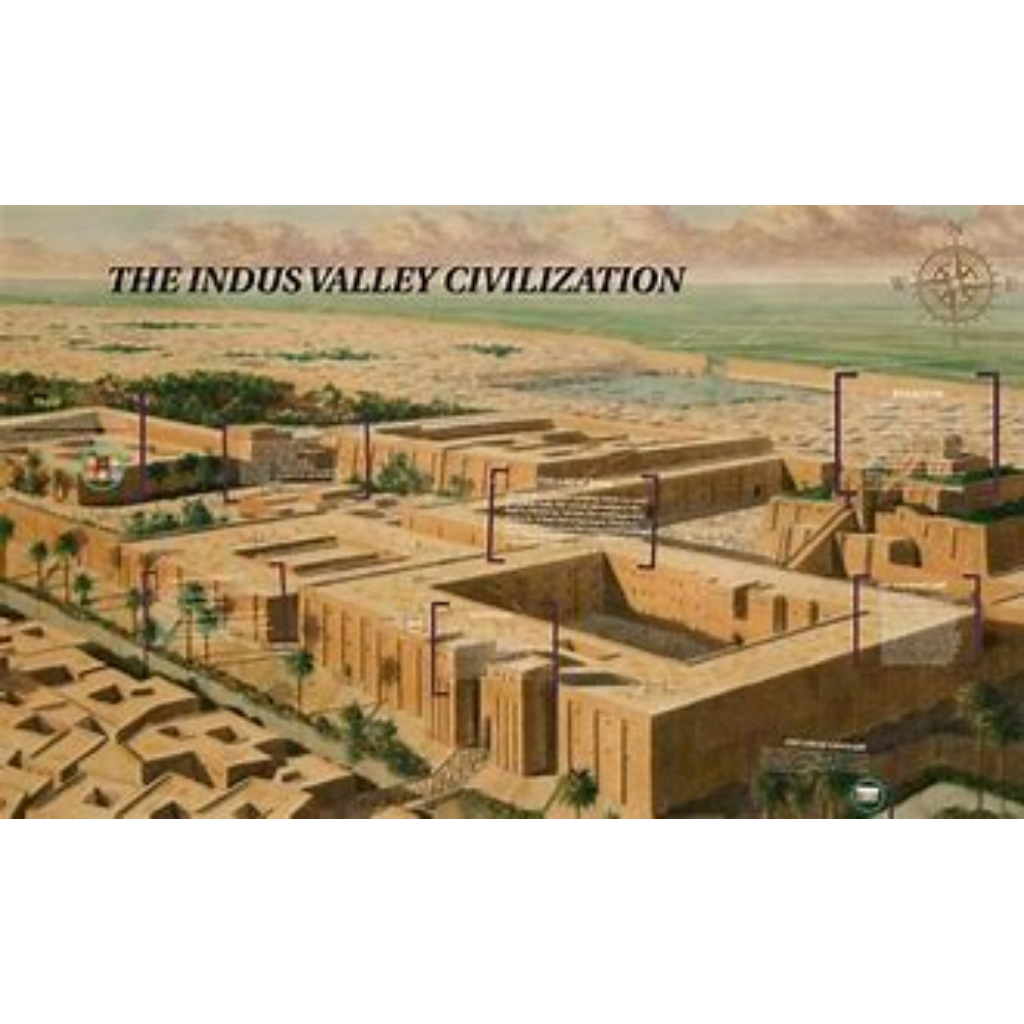
The Indus Valley Civilization
The First Major Event in Indian History
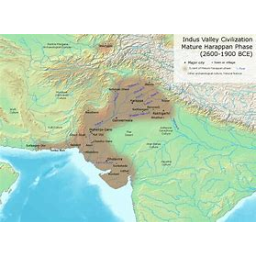
The Indus Valley Civilization, also known as the Harappan Civilization, was a major Bronze Age civilization that flourished in the northwestern regions of South Asia between 3300 BCE and 1300 BCE, with its mature period ranging from 2600 BCE to 1900 BCE.
Extent and Location:
Society and Town Planning:
Writing System and Art:
Decline and Legacy:
Discontinuity and Regional Cultures:
The Second Major Event in Indian history
The Arrival of the Aryans
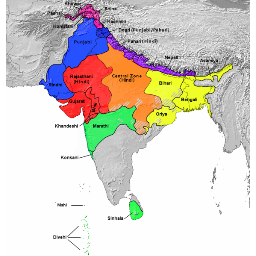
Theories and Timeline:
Impact and Cultural Exchange:
The Vedic Period:
Debates and Uncertainties:
The Third Major Event in Indian History
The Vedic Period
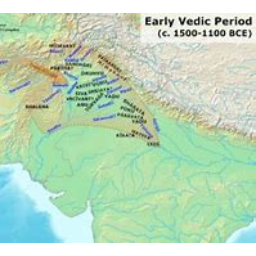
The Vedic Period (1750-500 BCE):
Emergence of Kingdoms and Social Change:
Rise of Iron Working and Agriculture:
Composition of Epics and the Later Vedic Period:
Vedic Religion and the Beginning of Hinduism:
Uncertainties and Debates:
The Fourth Major Event in Indian History
The Magadha Empire
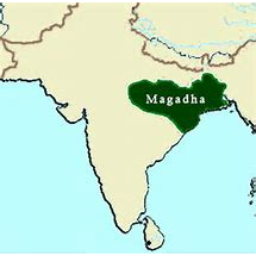
The Magadha Empire, flourishing between roughly the 6th century BCE and the 4th century BCE, was one of the most significant empires in ancient India.
Geographical Reach:
Rise to Power:
Prominent Rulers:
Administration and Military:
Impact on Religion and Culture:
Decline of the Empire:
Legacy:
The Fourth Major Event in Indian History
The Mauryan Empire
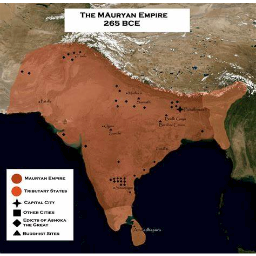
The Mauryan Empire, founded by Chandragupta Maurya in 322 BCE, was a defining chapter in ancient Indian history. It marked a period of political unification, cultural flourishing, and administrative innovation.
Rise to Power:
Administration and Governance:
Ashoka the Great (268 BCE - 232 BCE):
Economy and Trade:
Culture and Society:
Decline and Legacy:
The Fifth Major Event in Indian History
The Gupta Empire
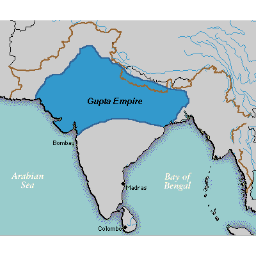
The Gupta Empire, flourishing from roughly the 4th to the 6th centuries CE, is considered a golden age in Indian history. This period witnessed remarkable advancements in art, literature, science, and administration.
Rise to Power:
Prominent Rulers:
Administration and Governance:
Economic Prosperity:
Cultural Achievements:
Later Years and Decline:
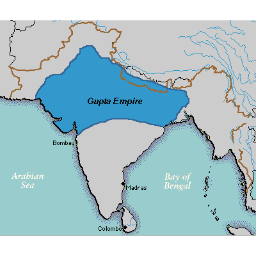
Lasting Legacy:
The Sixth Major Event in Indian History
The Post-Gupta Period
Following the decline of the Gupta Empire around the 6th century CE, India entered a period of political fragmentation known as the Post-Gupta Era. This era, lasting roughly until the 8th century CE, was a dynamic time marked by the rise of regional kingdoms, cultural and religious developments, and renewed external influences.
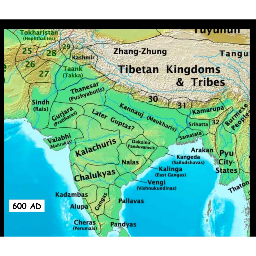
Political Landscape:
Cultural and Religious Developments:
Renewed Invasions:
Impact of the Guptas:
Transitional Period:
The Post-Gupta period was a complex and dynamic period in Indian history. It was a time of challenges and opportunities, shaping the cultural and political landscape of the subcontinent for centuries to come.
The Seventh Major Event in Indian History
The Chola Empire
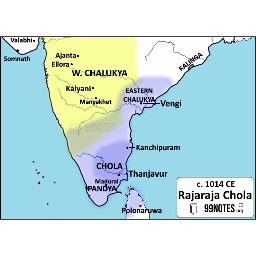
Origins and Rise to Power:
Golden Age under Rajaraja Chola I and Rajendra Chola I:
Administration and Military:
Trade and Economy:
Culture and Religion:
Decline and Legacy:
After the decline of the Chola Empire around the 13th century CE, South India entered a period of political contestation marked by the rise of several regional powers. Here's a breakdown of what unfolded:
Power Vacuum and Regional Rivalries:
The Pandyas Reemerge:
Rise of the Delhi Sultanate:
Political Fragmentation and External Influences:
Cultural and Religious Developments:
The Vijayanagara Empire:
A Period of Transition:
This period between the decline of the Cholas (13th century CE) and the rise of Vijayanagara (late 14th century CE) was a time of transition for South India. It was marked by regional rivalries, the emergence of new powers like the Pandyas and the Hoysalas, and the growing influence of external forces.
Vijayanagar Empire
The Vijayanagara Empire, also known as the Karnata Kingdom, was a major power in South India for over three centuries.
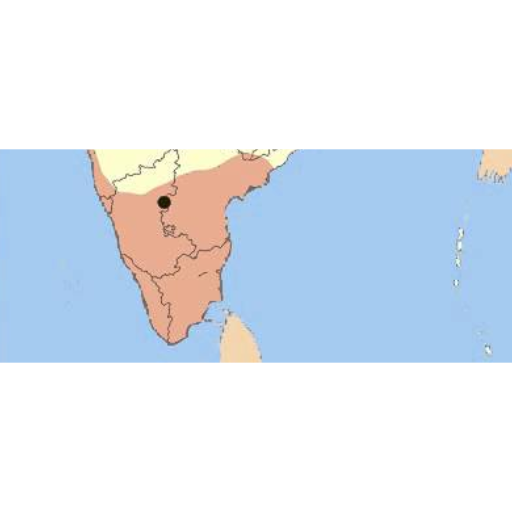
Founding and Rise (1336-1505):
Administration and Society:
Later Years and Decline (1505-1646):
- Full access to our public library
- Save favorite books
- Interact with authors
- < BEGINNING
- END >
-
DOWNLOAD
-
LIKE(1)
-
SHARE
-
SAVE
-
BUY THIS BOOK
(from $24.79+) -
BUY THIS BOOK
(from $24.79+) - DOWNLOAD
- LIKE (1)
- SHARE
- SAVE
- Report
-
BUY
-
LIKE(1)
-
SHARE
- Excessive Violence
- Harassment
- Offensive Pictures
- Spelling & Grammar Errors
- Unfinished
- Other Problem






COMMENTS