
Computer Network

A network is a group of computers connected together in a way that allows information to be exchanged between the computers.
Packet
In telecommunications and computer networking, a network packet is a formatted unit of data carried by a packet-switched network. A packet consists of control information and user data; the latter is also known as the payload. Control information provides data for delivering the payload.
Local Area Network (LAN)
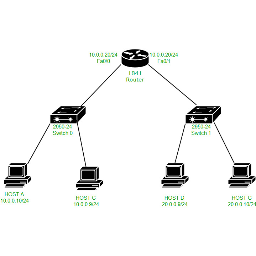
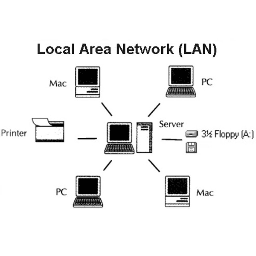
A LAN is a network of computers that are in the same general physical location, usually within a building or a campus. If the computers are far apart (such as across town or in different cities), then a Wide Area Network (WAN) is typically used.
Wide Area Network (WAN)
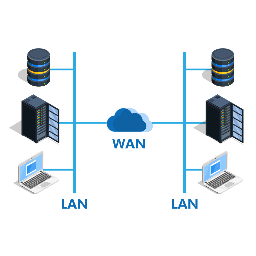
A wide area network is a telecommunications network that extends over a large geographic area. Wide area networks are often established with leased telecommunication circuits
Node
A node is anything that is connected to the network. While a node is typically a computer, it can also be something like a printer or CD-ROM tower.
Media Access Control (MSC)
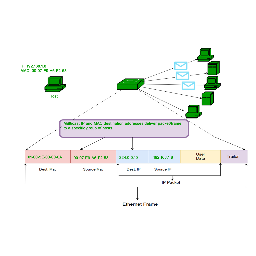
This is the physical address of any device -- such as the NIC in a computer -- on the network. The MAC address, which is made up of two equal parts, is 6 bytes long. The first 3 bytes identify the company that made the NIC. The second 3 bytes are the serial number of the NIC itself.
IP Address
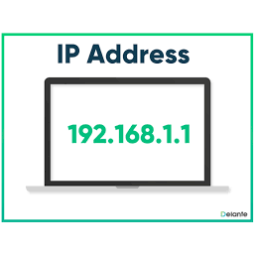
An Internet Protocol address is a numerical label such as 192.0.2.1 that is assigned to a device connected to a computer network that uses the Internet Protocol for communication. IP addresses serve two main functions: network interface identification, and location addressing.
Bus Topology
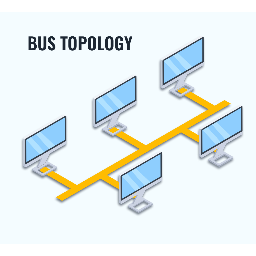
A bus network is a network topology in which nodes are directly connected to a common half-duplex link called a bus. A host on a bus network is called a station. In a bus network, every station will receive all network traffic, and the traffic generated by each station has equal transmission priority.
Ring Topology
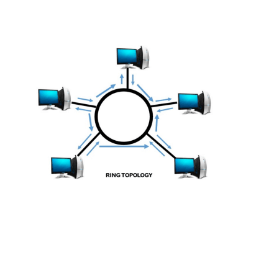
A ring network is a network topology in which each node connects to exactly two other nodes, forming a single continuous pathway for signals through each node – a ring. Data travels from node to node, with each node along the way handling every packet.
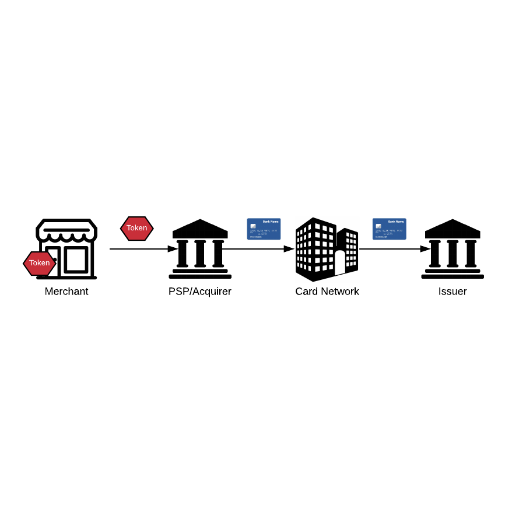
Network Token
Network tokens are unique digital identifiers used to supply symbolic placeholder data instead of the primary account number (PAN) in all parts of the payment chain
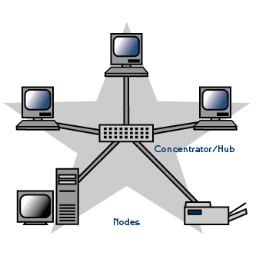
Star Topology
A star topology is a topology for a Local Area Network (LAN) in which all nodes are individually connected to a central connection point, like a hub or a switch.
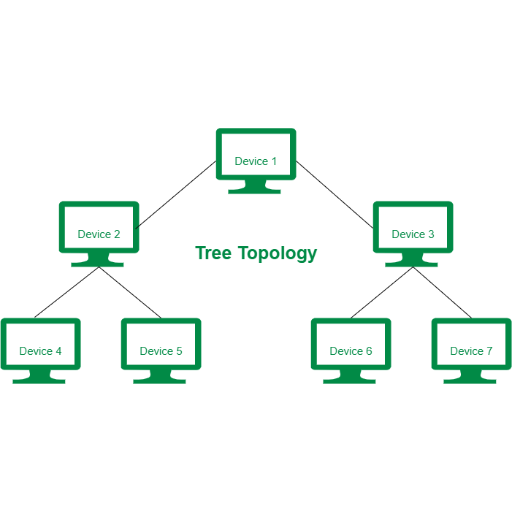
Tree Topology
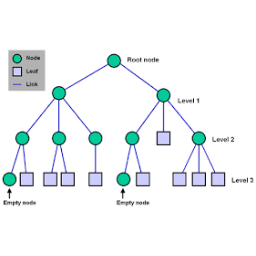
In networking, tree topology is a structure where devices are connected hierarchically. It resembles a tree with a root node and various branches. The root node is connected to multiple levels of child nodes, forming a hierarchy.
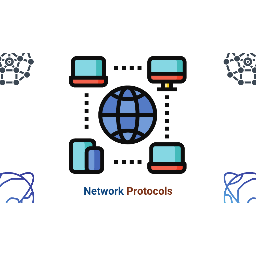
Protocol
A communication protocol is a system of rules that allows two or more entities of a communications system to transmit information via any variation of a physical quantity. The protocol defines the rules, syntax, semantics, and synchronization of communication and possible error recovery methods
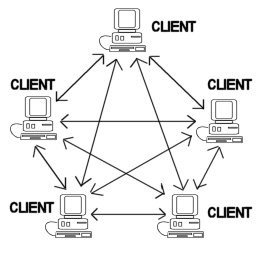
Peer-Peer Architecture
Peer to peer architecture is a type of computer networking architecture in which there is no division or distinction of abilities amidst the various workstations or nodes of a network.
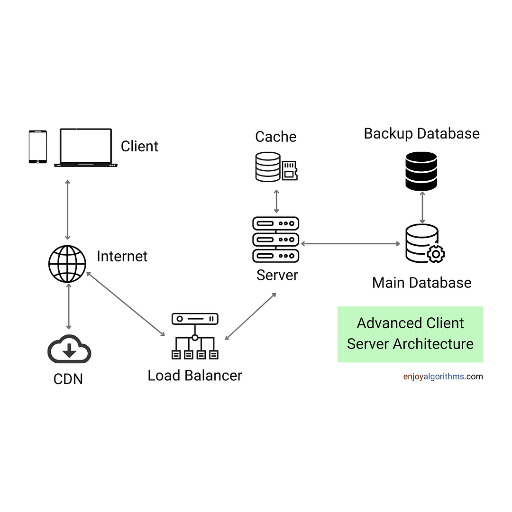
Client/Server Architecture
client-server architecture, architecture of a computer network in which many clients (remote processors) request and receive service from a centralized server (host computer)
- Full access to our public library
- Save favorite books
- Interact with authors
- < BEGINNING
- END >
-
DOWNLOAD
-
LIKE
-
COMMENT()
-
SHARE
-
SAVE
-
BUY THIS BOOK
(from $4.99+) -
BUY THIS BOOK
(from $4.99+) - DOWNLOAD
- LIKE
- COMMENT ()
- SHARE
- SAVE
- Report
-
BUY
-
LIKE
-
COMMENT()
-
SHARE
- Excessive Violence
- Harassment
- Offensive Pictures
- Spelling & Grammar Errors
- Unfinished
- Other Problem





COMMENTS
Click 'X' to report any negative comments. Thanks!