
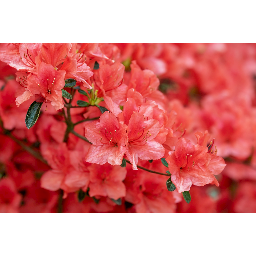
A:Azalea
Azalea flowers come in a vibrant pink shade that symbolizes femininity. They grow in a shrub-like shape and are often used to create a curtain of privacy. Although they bloom mostly in spring and summer, some varieties bloom as early as February
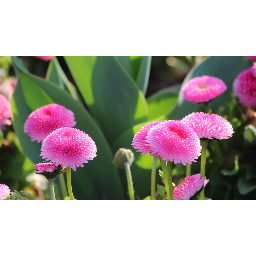
B::Bellis perennis,
commonly known as the common daisy, English daisy, or lawn daisy, is a small, perennial flowering plant with a yellow central disc surrounded by white or pinkish petals.
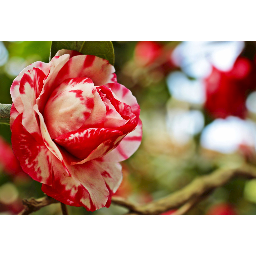
C:Camellia japonica
known as common camellia, or Japanese camellia, is a species of Camellia, a flowering plant genus in the family Theaceae. There are thousands of cultivars of C. japonica in cultivation, with many colors and forms of flowers.known as common camellia, or Japanese camellia, is a species of Camellia, a flowering plant genus in the family Theaceae. There are thousands of cultivars of C. japonica in cultivation, with many colors and forms of flowers.
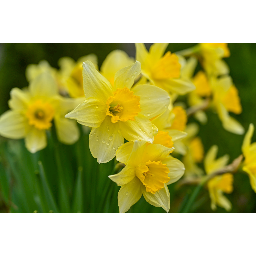
D:Daffodil
These cheery yellow flowers will brighten any spring day, especially Easter Sunday! One of the first flowers to bloom at the end of winter, daffodils are thought to represent rebirth and new beginnings—much like the meaning of Easter itself.
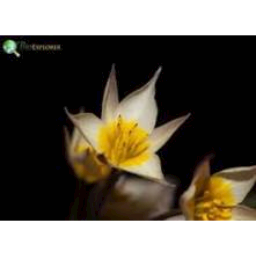
E:Elastic Momordica.
Elastic Momordica is an annual, climbing, or extensive perennial, monoecious herbaceous plant, 2 to 3 meters tall. It can be slightly hairy or hairless. The golden-yellow flowers are erect individually in the axils of the upper leaves on stems 2-10 cm long
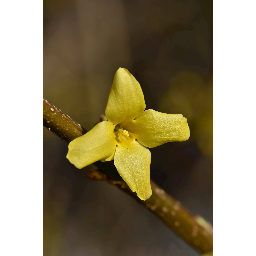
F:Forsythia
Forsythia flowers early. The flowers are produced early in the spring, before the leaves emerge, for a welcome show of bright yellow blooms (F. suspensa has paler flowers).
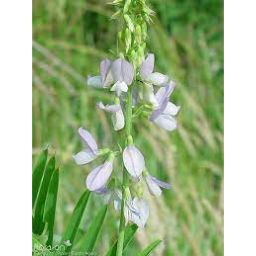
G:Galega officinalis
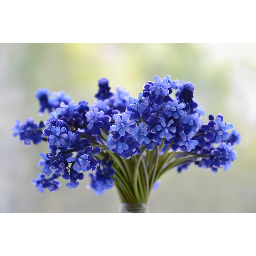
H:Hyacinth
Hyacinth is a bulbous perennial plant that is grown for its beautiful and fragrant flowers. The plant has strap-shaped leaves and produces tall, dense spikes of flowers in a range of colors, including pink, blue, purple, white, and yellow.
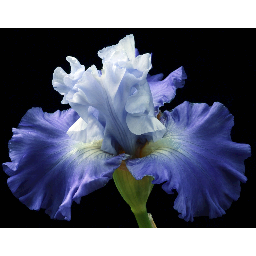
I:Iris
The shortest varieties bloom as early as mid-March, but taller irises bloom from mid-May to June. As for planting, don't bury them too deep as their rhizomes need to be close to the surface (about three inches deep). Irises will thrive in full sun exposure
J:Jacaranda mimosifolia
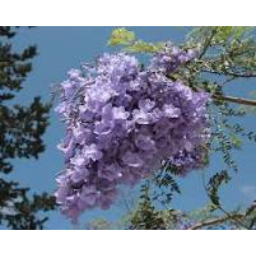
Jacaranda mimosifolia is a sub-tropical tree native to south-central South America that has been widely planted elsewhere because of its attractive and long-lasting violet-colored flowers. It is also known as the jacaranda, blue jacaranda, black poui, Nupur or fern tree. Older sources call it J
K:Kadupul Flower
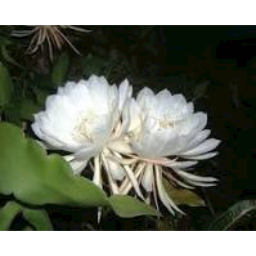
The simple reason why the Kadupul Flower is the champion of the most expensive flowers in the world list is: it is completely priceless. No amount of money could ever buy this flower. It is so rare and so frail that it lives for only a few hours, and then dies.
L:Lilac
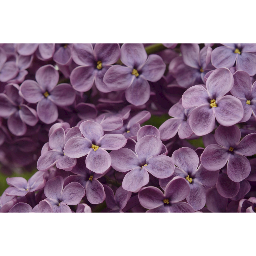
Lilac is a color that is a pale violet tone representing the average color of most lilac flowers. The colors of some lilac flowers may be equivalent to the colors shown below as pale lilac, rich lilac, or deep lilac. However, there are other lilac flowers that are colored red-violet.
M:Middlemist Red Camellia
The Middlemist Red Camellia, or Camellia japonica 'Middlemist's Red,' is an exceptionally rare flower with vibrant pinkish-red petals. With only two known living specimens in the world, both located in New Zealand and the United Kingdom, it holds the title of the rarest flowering plant on Earth. 7.
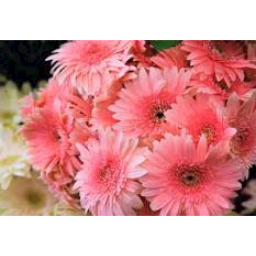
N:Narcissus
Narcissus has conspicuous flowers with six petal-like tepals surmounted by a cup- or trumpet-shaped corona. The flowers are generally white and yellow (also orange or pink in garden varieties), with either uniform or contrasting coloured tepals and corona.
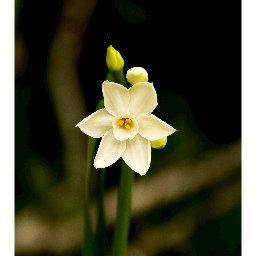
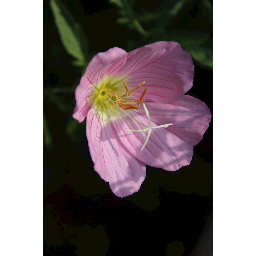
O:Oenothera speciosa
Oenothera speciosa is a species in the evening primrose family known by several common names, including pinkladies, pink evening primrose, showy evening primrose, Mexican primrose, and buttercups (not to be confused with true buttercups in the genus Ranunculus).
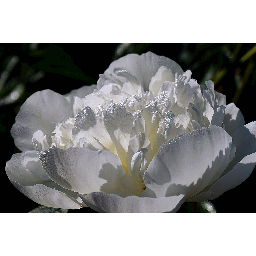
P: Peony
Peony is a Japanese easy-care flowering plant in the genus Paeonia of the Paeoniaceae family. The genus consists of approximately 32 species of wild peonies primarily native to Europe, Asia, and western North America. The flowers range in color from pink and purple to red, yellow, or white.
Q:Quince.
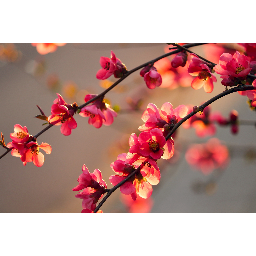
Quince. The quince (Cydonia oblonga) is the only member of the genus Cydonia in the Rosaceae family (including pears and apples). These Japanese trees have been cultivated by landscape architects for their showy pale pink flowers and other ornamental features.
- Full access to our public library
- Save favorite books
- Interact with authors
hope u enjoyed this book
like and share
- < BEGINNING
- END >
-
DOWNLOAD
-
LIKE
-
COMMENT()
-
SHARE
-
SAVE
-
BUY THIS BOOK
(from $5.59+) -
BUY THIS BOOK
(from $5.59+) - DOWNLOAD
- LIKE
- COMMENT ()
- SHARE
- SAVE
- Report
-
BUY
-
LIKE
-
COMMENT()
-
SHARE
- Excessive Violence
- Harassment
- Offensive Pictures
- Spelling & Grammar Errors
- Unfinished
- Other Problem






COMMENTS
Click 'X' to report any negative comments. Thanks!