

This book is dedicated to my teacher, Mrs Foster.

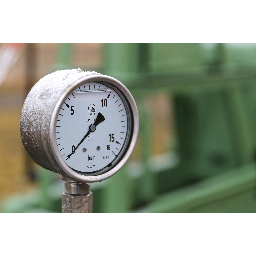
Air pressure is the air around you. it has weight and it presses against everything it touches. This pressure can also be called atmosphere pressure. It is the force exerted on a surface by the air above it as gravity pulls it to Earth. Atmospheric pressure is commonly measured with a barometer.

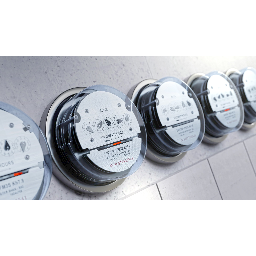
Humidity is the amount of water vapor in the air. If there is a lot of water vapor in the air, the humidity will be high. The higher the humidity, the wetter it feels outside. To measure the humidity in the air we use a hydro-meter.

Precipitation is any liquid or frozen water that forms in the atmosphere and falls back to the earth. It comes in many forms, like rain, sleet, and snow. The tool that most people use to measure precipitation is called a rain gauge and this is what it looks like.......

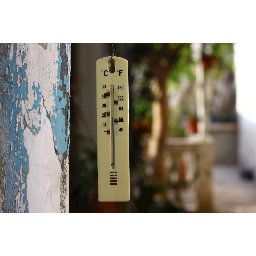
Temperature is a physical quantity that quantitatively expresses the attribute of hotness or coldness. Temperature is measured with a thermometer. It reflects the average kinetic energy of the vibrating and colliding atoms making up a substance.

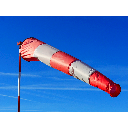
wind is the movement of air, caused by the uneven heating of the Earth by the sun and the Earth's own rotation.. The instrument that we use to evaluate wind is called an anemometer.

The water cycle is made up of 5 main steps . The first step is evaporation. Evaporation is the process that changes liquid water into water vapor. The second step is called transpiration. Transpiration is the evaporation of water from a plant's leaves, stems, or flowers. The third step is called condensation. Condensation is the process where water vapor becomes liquid.
Next is Precipitation which is any liquid or frozen water that forms in the atmosphere and falls back to the earth. Precipitation comes in many forms, like rain, sleet, and snow. finally, runoff. Runoff is precipitation that does not soak into the soil but instead moves on the Earth's surface toward streams.
Air masses can affect the weather. When the cold and warm air masses meet, the cold air mass pushes the warm air mass upward and produces a cold front. This type of front causes the clouds to form and brings heavy rain.
- Full access to our public library
- Save favorite books
- Interact with authors

- < BEGINNING
- END >
-
DOWNLOAD
-
LIKE
-
COMMENT()
-
SHARE
-
SAVE
-
BUY THIS BOOK
(from $2.99+) -
BUY THIS BOOK
(from $2.99+) - DOWNLOAD
- LIKE
- COMMENT ()
- SHARE
- SAVE
- Report
-
BUY
-
LIKE
-
COMMENT()
-
SHARE
- Excessive Violence
- Harassment
- Offensive Pictures
- Spelling & Grammar Errors
- Unfinished
- Other Problem

COMMENTS
Click 'X' to report any negative comments. Thanks!