
A is for Acid
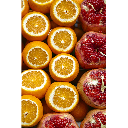
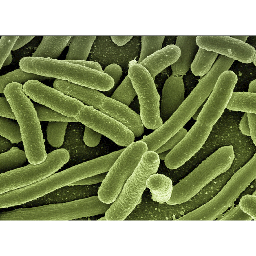
Acid is a chemical substance (usually a liquid) and always contains Hydrogen. An example would be citric acid which is found in most
tropical fruit like Oranges, lemons,
and grapefruit. Did you know that
there are hundreds of types of acids.

B is for boiling point
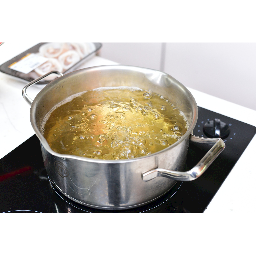
Boiling point is simply the temperature that a substance boils at.
For example making
noodles you need to
boil water for them
be soft and good to
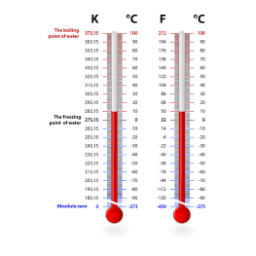
eat. Did you know that the boil point of water
is 212 F and 100 C

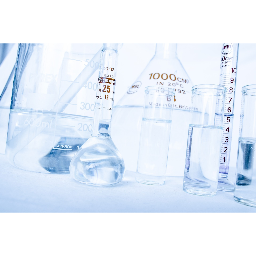
C is for Chemicals. Chemicals are any matter or substance that has mass
Did you know that we use
an average of 40 Chemicals
in one day

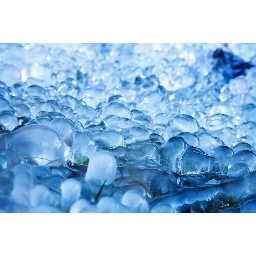
D is for Density. mass per unit volume. Did you know that water is more
dense than ice and that
is why it floats?

E is for electron. stable negatively charged subatomic particle.

F is for Freezing. process in which a liquid changes to a solid.
Do you know what
waters freezing
point is 0 degrees
Celsius and 32
degrees Fahrenheit.

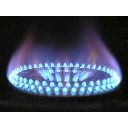
G is for gas. state of matter characterized by having neither a defined shape nor defined volume. Did you know that
Nitrogen makes up most of the gas that is around us.

H is for helium. Helium is the name for the element with atomic number 2 and is represented by the symbol He. It is a member of the noble gases group.

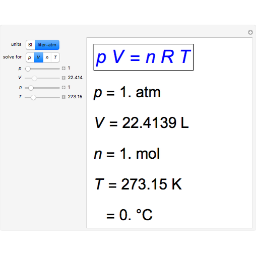
I is for Ideal gas law. PV = nRT where P is pressure, V is volume, n is the number of moles, R is the ideal gas constant, and T is temperature.

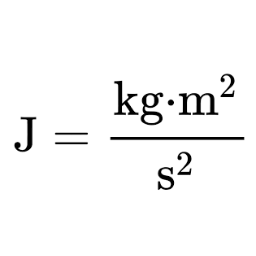
J is for Joule. SI unit of energy equal to the kinetic energy of a 1 kg mass moving at 1 m/s.

k is for Kelvin. An absolute temperature scale with 100 degrees between the freezing and boiling points of water

L is for liquid. State of matter characterized by having a definite volume but not a definite shape.

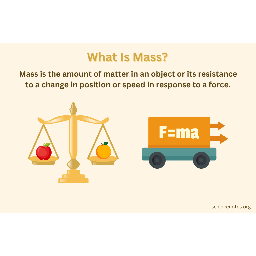
M is for Mass. Amount of matter a substance contains or property of matter that resists acceleration.

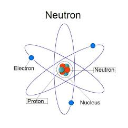
N is for Neutron. Particle in the atomic nucleus that has a mass of 1 and charge of 0.

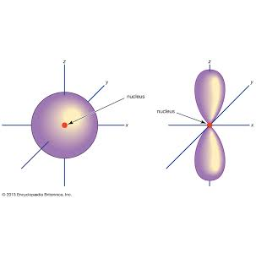
O is for Orbital. Mathematical function that describes the wavelike behavior of an electron.

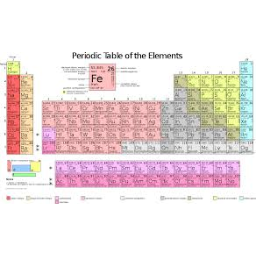
P is for periodic table. arrangement of elements by increasing atomic number, ordered according to trends in recurring properties.

- Full access to our public library
- Save favorite books
- Interact with authors

- < BEGINNING
- END >
-
DOWNLOAD
-
LIKE
-
COMMENT()
-
SHARE
-
SAVE
-
BUY THIS BOOK
(from $5.19+) -
BUY THIS BOOK
(from $5.19+) - DOWNLOAD
- LIKE
- COMMENT ()
- SHARE
- SAVE
- Report
-
BUY
-
LIKE
-
COMMENT()
-
SHARE
- Excessive Violence
- Harassment
- Offensive Pictures
- Spelling & Grammar Errors
- Unfinished
- Other Problem

COMMENTS
Click 'X' to report any negative comments. Thanks!