This e-book presentation is about the environmental problems, industrialisation and waste in Estonia. It was prepared by the participants of the ERASMUS+ project, H.O.P.E!
The students who've participated in the making of this e book,
-Dora Yalcin, Mesut Ege Cakirer, Andrei Matvejev, Kayra Durace
-Tolga Boz, Begim Tetik, Alexandr Zimin, Bogdan Rego, Emilia Danilova
-Deniz Savas, Nuha Lumey'a Akpinar, Lija Gorskova, Kamil Arman Cin





INTRODUCTION
What is industrialisation?
Industrialisation is the period of social and economic change that transforms a human group from an agrarian society into an industrial society. This involves an extensive reorganisation of an economy for the purpose of manufacturing.
INDUSTRIALISATION IN ESTONIA
A tentative industrialisation process took shape starting in the mid-19th century, the most significant milestones being the Kreenholm textile works in Narva in 1857, whose cotton spinning and weaving machinery was driven by the waterfalls of the Narova River.
WASTE IN ESTONIA
Most of Estonia's waste is in the Baltic Sea.
OIL SHALE IN ESTONIA
Over 90% of Estonia’s CO emissions come from burning oil shale for electricity, and oil shale contributes significantly to other pollution and waste levels in the country. The high concentrations of pollutants create health problems for local people: children living in the oil shale area have more respiratory diseases and are projected to live four years less on average. The country’s energy development plan 2030 commits to reducing the number of early deaths resulting from pollution by 50% by 2030.
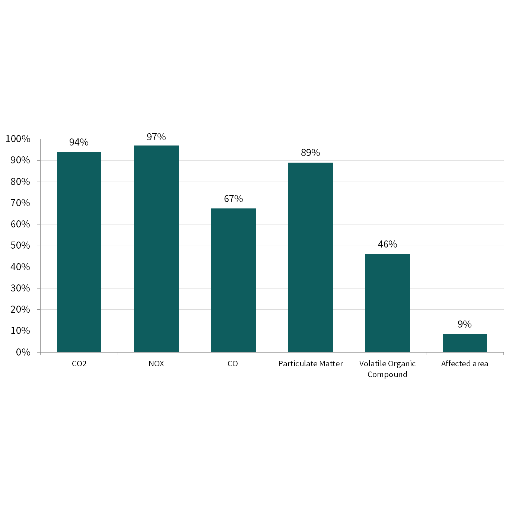
OIL SHALE IN ESTONIA

Unfortunately many industries in Estonia are causing a great disturbance to the water ecology. Not only are they affecting the wildlife but they are also affecting the people of Estonia who are consuming sea food and drinking the pure water.U

Water pollution in Estonia, mainly from industrial and agricultural sources, threatens coastal areas and the Baltic Sea. Despite efforts to mitigate it, ongoing vigilance is crucial for safeguarding marine ecosystems and biodiversity.


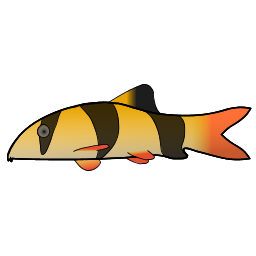
Water pollution in Estonia stems from various sources, with industrial discharge and agricultural runoff being primary contributors.
Industrial activites such as manufacturing, mining and energy production often release pollutants directly into the water bodies

Pollutants can directly harm aquatic life by causing diseases, deformities and mortality.
They can also alter water chemistry and deplete oxygen levels which suffocates fish and other organisms.



To combat water pollution; we can enforce strict regulations, upgrade wastewater facilities, promote sustainable practices and increase public avareness. These efforts are essential for proteting aquatic ecosystems and ensuring clean water for future generations
- Full access to our public library
- Save favorite books
- Interact with authors


- < BEGINNING
- END >
-
DOWNLOAD
-
LIKE(1)
-
COMMENT()
-
SHARE
-
SAVE
-
BUY THIS BOOK
(from $3.59+) -
BUY THIS BOOK
(from $3.59+) - DOWNLOAD
- LIKE (1)
- COMMENT ()
- SHARE
- SAVE
- Report
-
BUY
-
LIKE(1)
-
COMMENT()
-
SHARE
- Excessive Violence
- Harassment
- Offensive Pictures
- Spelling & Grammar Errors
- Unfinished
- Other Problem





COMMENTS
Click 'X' to report any negative comments. Thanks!