
Cheetahs have a thin frame with a narrow waist and deep chest. They have large nostrils that allow for increased oxygen intake. Cheetahs have a large lungs and hearts connected to a circulatory system with strong arteries and adrenals that work in tandem to circulate oxygen through their blood very efficiently.
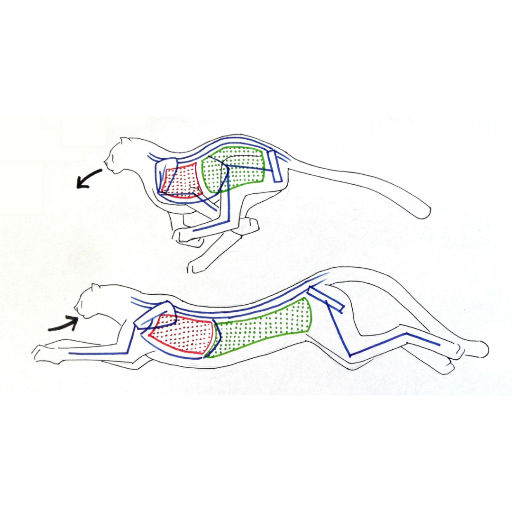
Respiration
Cheetahs have a large lungs and hearts connected to a circulatory system with strong arteries and adrenals that work in tandem to circulate oxygen through their blood very efficiently.
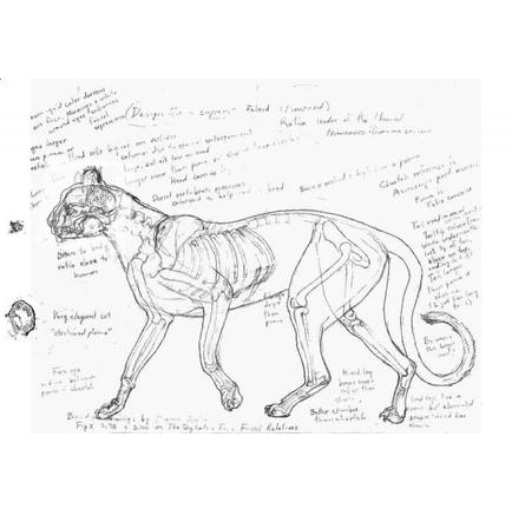
Circulation
A cheetah's digestive system is similar to the humans. It consists of the esophagus, the stomach, small intestine and large intestine.
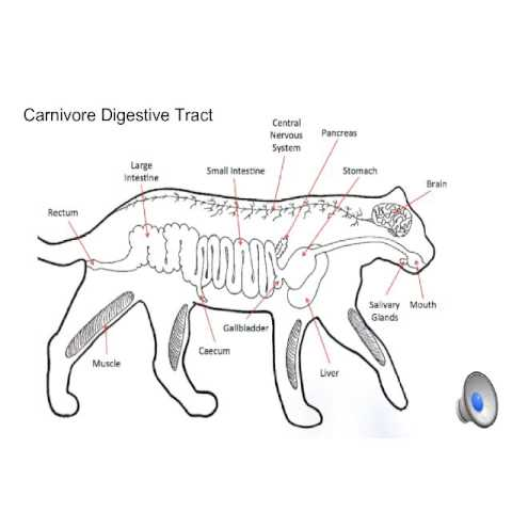
Digestion
An adult cheetah eats about 6.2 lb. (2.8 kg) of meat per day. Cheetahs rarely drink — seldom do they drink more than once every four days and sometimes only once every 10 days.
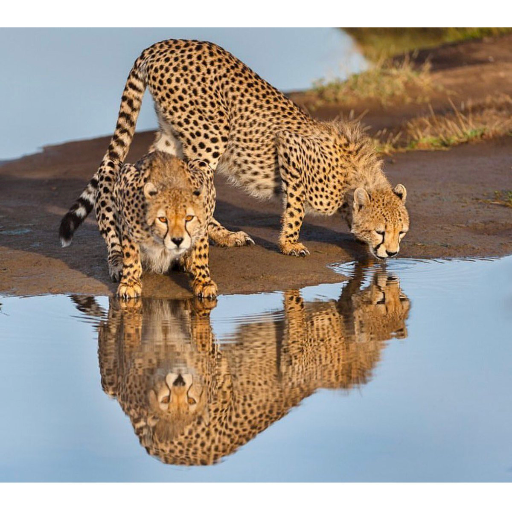
Nutrition
Cheetahs prey includes: gazelles (especially Thomson's gazelles), impalas and other small to medium-sized antelopes, hares, birds, and rodents. Cheetahs will also prey on the calves of larger herd animals. Cheetahs generally prefer to prey upon wild species and avoid hunting domestic livestock.
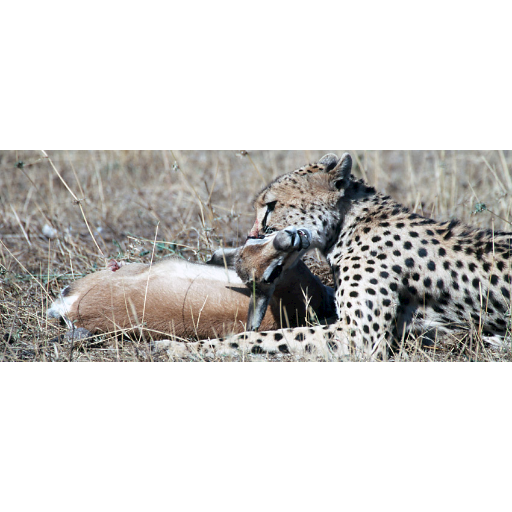
Food Getting
Well-socialized and confident dogs help cheetahs cope with new or stressful situations by modeling relaxed, positive behavior. These calming social cues are especially important because cheetahs have a strong flight instinct.
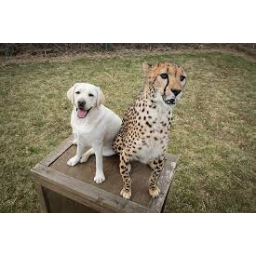
Support
Cheetah's spots may serve as camouflage for both hunting and hiding. Their spots may offset the shadows in the gray-hued grasses they often inhabit, allowing them to blend in with their surroundings. Camouflage is essential not only for stalking prey, but also for protecting cheetah cubs from predators.
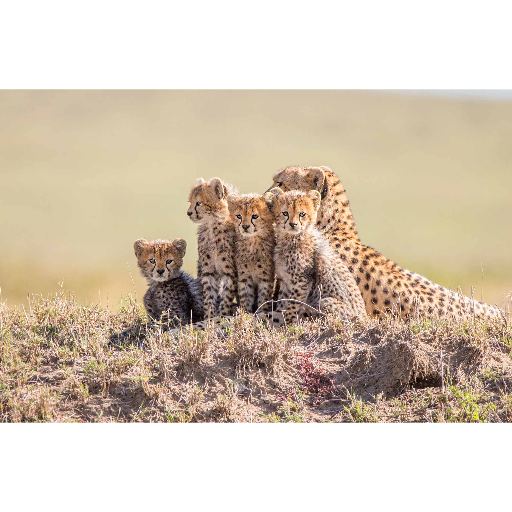
Protection
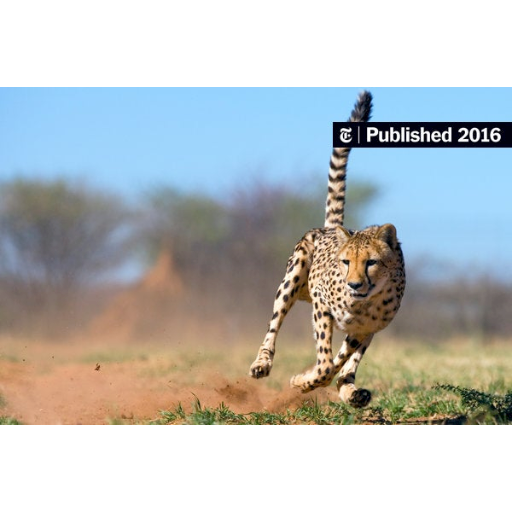
Cheetahs are the fastest land animal. Their galloping shows three characteristics: small vertical movement of their center of mass, small whole-body pitching movement, and large spine bending movement. We hypothesize that these characteristics lead to enhanced gait performance in cheetahs, including higher gait speed.
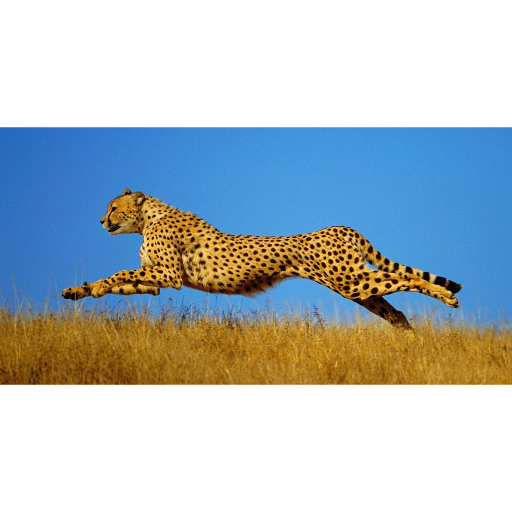
Movement
The kidneys are the main osmoregulatory organs in mammalian systems; they function to filter blood and maintain the dissolved ion concentrations of body fluids. They are made up internally of three distinct regions—the cortex, medulla, and pelvis.
Osmotic Regulation
Cheetahs are regulators; they use energy to maintain a core body temperature. A study looking at body temperature and activity patterns in wild cheetahs found that the cheetahs maintained their body temperature within a small range (about 2 C) in a daily cycle.
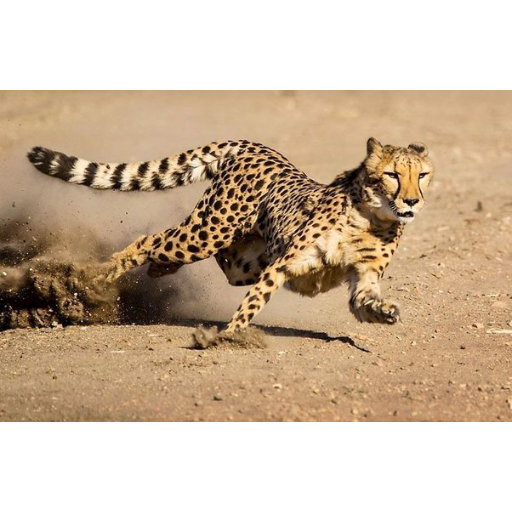
Temperature Regulation
Breeding occurs throughout the year. Females are polyestrous, with a typical estrous cycle lasting 12 days in which the female will be "in heat" for 1 to 3 days. Female cheetahs may mate with more than one male. Receptive females urinate on bushes, trees, and rocks.
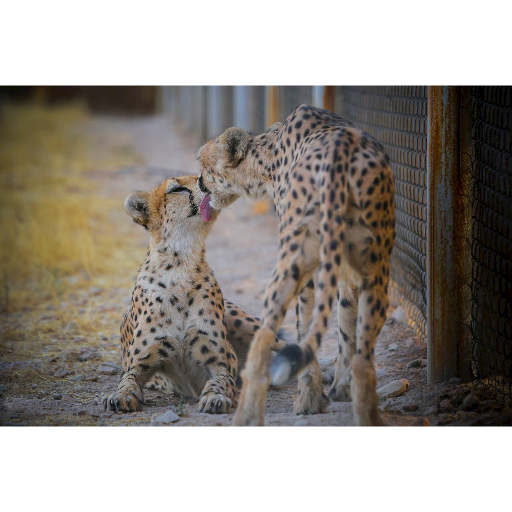
Reproduction
There are three stages in the life cycle of the cheetah: cub (birth to 18 months), adolescence (18 to 24 months) and adult life (24 months and on).
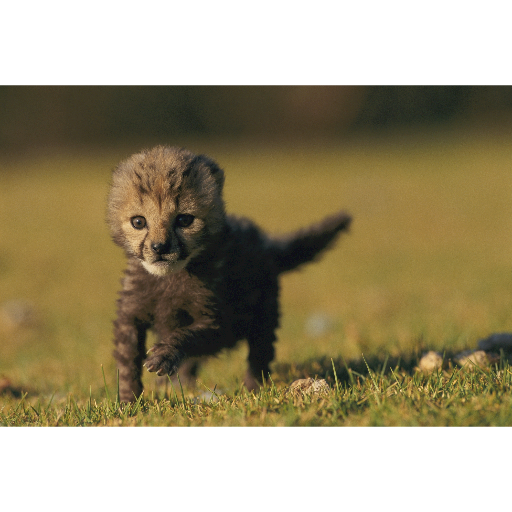
Development
A male that picks up on the scent calls out to the female with a series of yelps — the female responds with yelps as the male approaches. Mating may occur immediately and copulation lasts less than a minute.
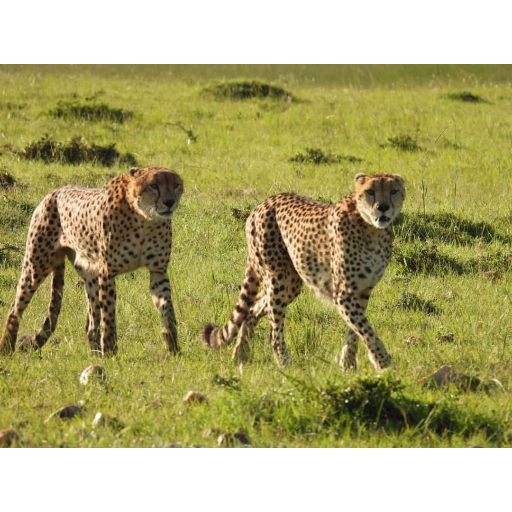
Mating Behaviors
- Full access to our public library
- Save favorite books
- Interact with authors
The End!
- < BEGINNING
- END >
-
DOWNLOAD
-
LIKE
-
COMMENT()
-
SHARE
-
SAVE
-
BUY THIS BOOK
(from $4.39+) -
BUY THIS BOOK
(from $4.39+) - DOWNLOAD
- LIKE
- COMMENT ()
- SHARE
- SAVE
- Report
-
BUY
-
LIKE
-
COMMENT()
-
SHARE
- Excessive Violence
- Harassment
- Offensive Pictures
- Spelling & Grammar Errors
- Unfinished
- Other Problem





COMMENTS
Click 'X' to report any negative comments. Thanks!