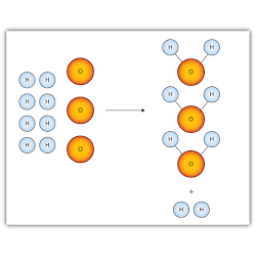
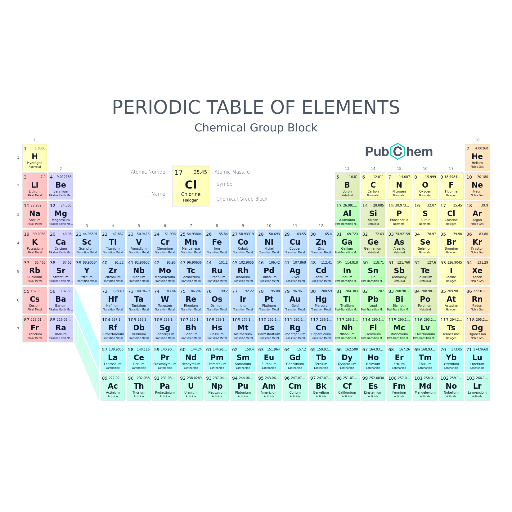
Teal- Chemical reactions
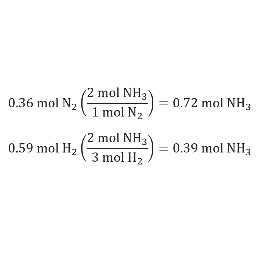
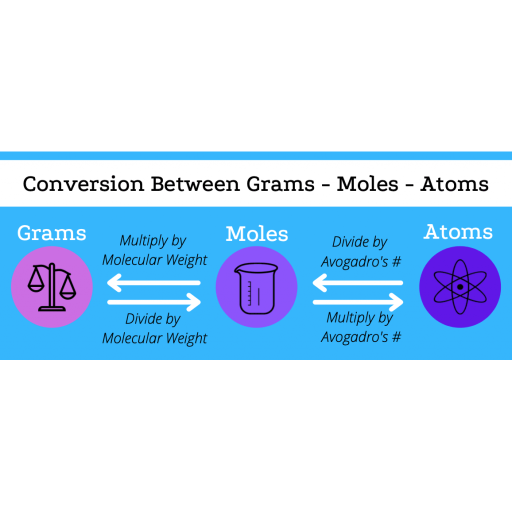
Purple- Stoichiometry
Pink- Atom + Periodic Table
Green- Matter
Orange- Nuclear chemistry

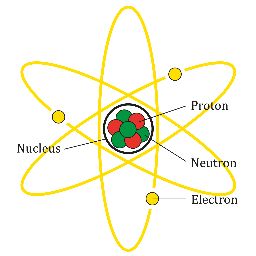
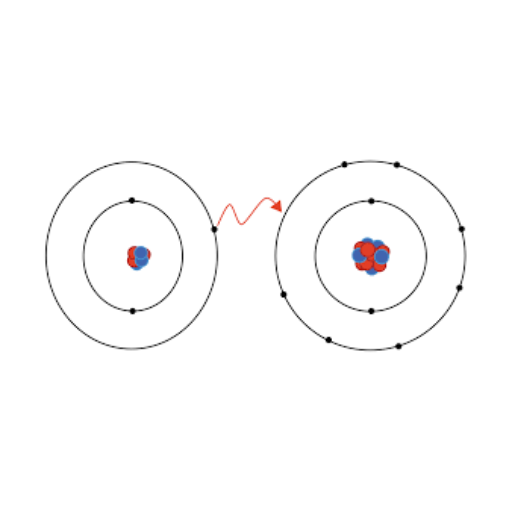
The basic particles of the chemical elements. An atom consists of a nucleus of protons and neutrons, surrounded by an electromagnetic sea of electrons
Atom

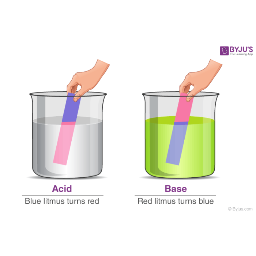
Base
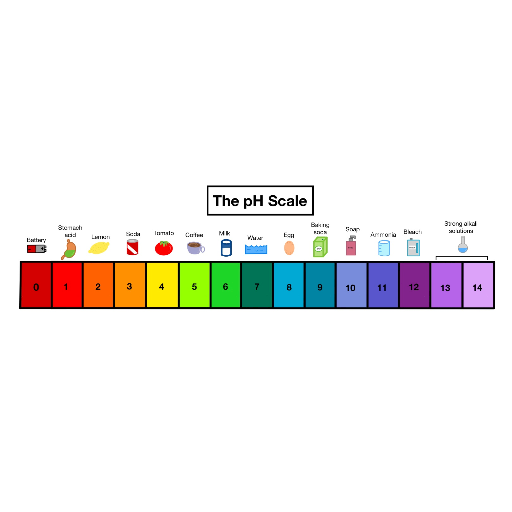
Any substance that has a pH higher than 7. Typically a base will feel slipery to the touch like soap or bleach. To test this you can use indicator strips and if its a base them red litmus paper will turn blue.


Cation
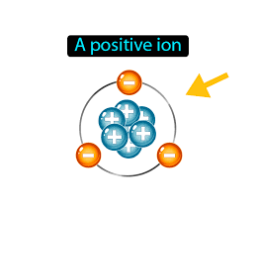
A Cation is an atom that has a positive charge. This happens when an atom loses one or many electrons.


Diatomic Molecule
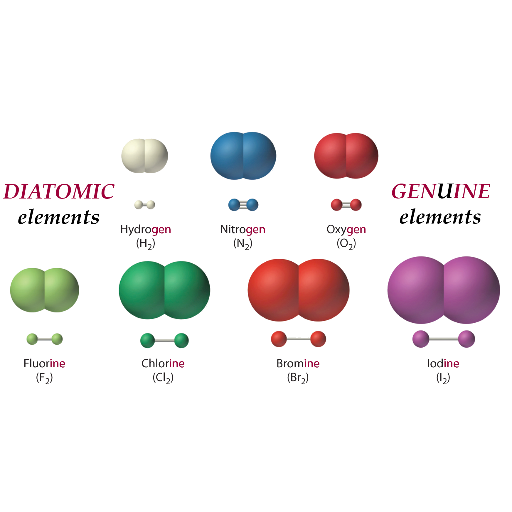
Any Chemical molecule tha contains 2 of the same atom.

Element
An element is a substance that you can no longer divide into anything else. For exapmle salt can be divided into Sodium and Chlorine but they can no longer be broken down because they are elements.

Fission
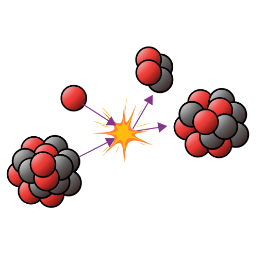
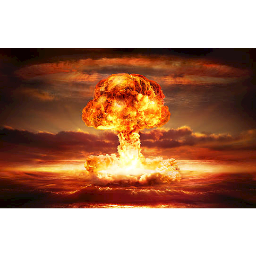
Fission is when atoms spit apart and create energy. Fission is used in nuclear powerplants and in atomic bombs.


Gas
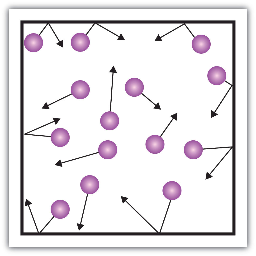
A gas is a sustance with freely moving particles that have no fixed shape.


Half Life
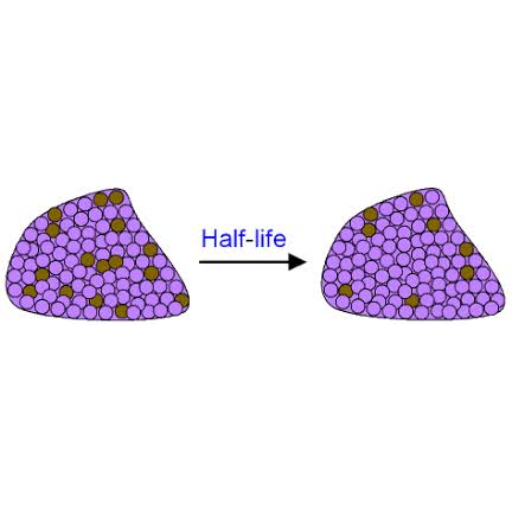
Half life is the time required for a quantity of a substance to reduce to half of its initial value.

Ion
An ion is and atom or molecule with an electric charge due to the loss or gain of one or more electrons.

Joule
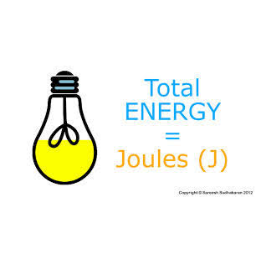
A joule is the energy required to accelerate a kilogram of matter at one newton of force over a 1 meter distance.


Kelvin
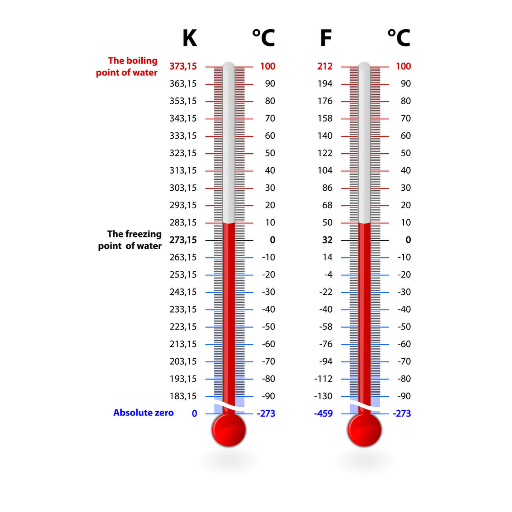
The kelvin, symbol K, is the base unit of measurement for temperature in the International System of Units

Limiting Reactant
The limiting reactant is the reactant that is exhausted or consumed entirely first, ceasing the chemical reaction.


Mole
A unit of measurement that is the amount of a pure substance containing the same number of chemical units.

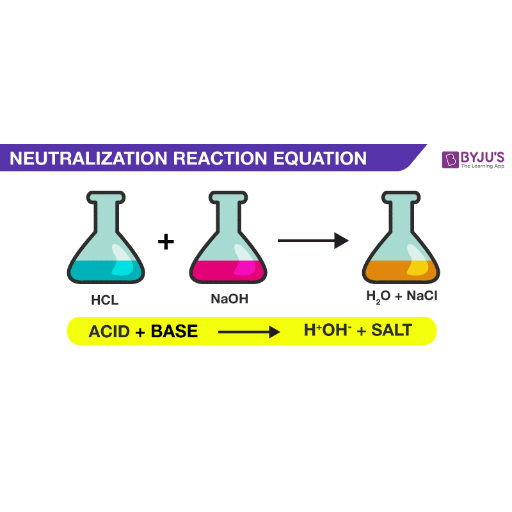
Neutralization
A chemical reaction in which an acid and base quantitatively react together to form a salt and water as products

Octet Rule
The octet rule states that atoms need 8 electrons in its outer shell to be "happy" and stable.

Periodic Table
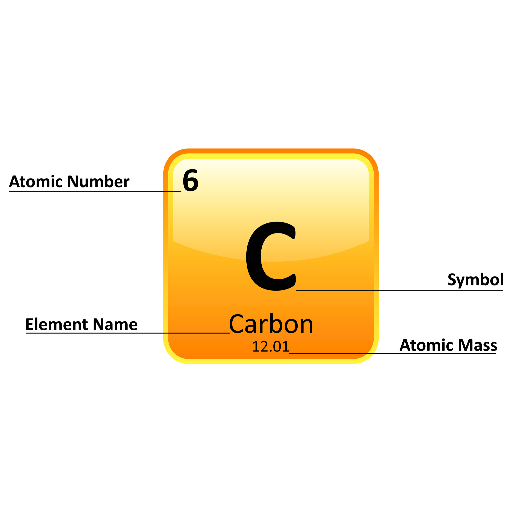
The periodic table is a table/chart of every element known to man. It is organized by the amount of electrons each element has.

- Full access to our public library
- Save favorite books
- Interact with authors

- < BEGINNING
- END >
-
DOWNLOAD
-
LIKE
-
COMMENT()
-
SHARE
-
SAVE
-
BUY THIS BOOK
(from $5.19+) -
BUY THIS BOOK
(from $5.19+) - DOWNLOAD
- LIKE
- COMMENT ()
- SHARE
- SAVE
- Report
-
BUY
-
LIKE
-
COMMENT()
-
SHARE
- Excessive Violence
- Harassment
- Offensive Pictures
- Spelling & Grammar Errors
- Unfinished
- Other Problem

COMMENTS
Click 'X' to report any negative comments. Thanks!