Blue- Atom and Periodic Table
Purple- Stoichiometry
Yellow- Matter
Tank Green- Chemical Reactions
Pink- Nucleur Chemistry

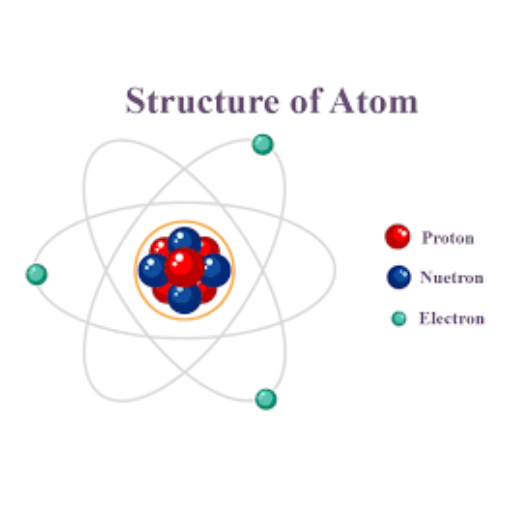
A is for Atom
A atom is the basic unit of a chemical element.

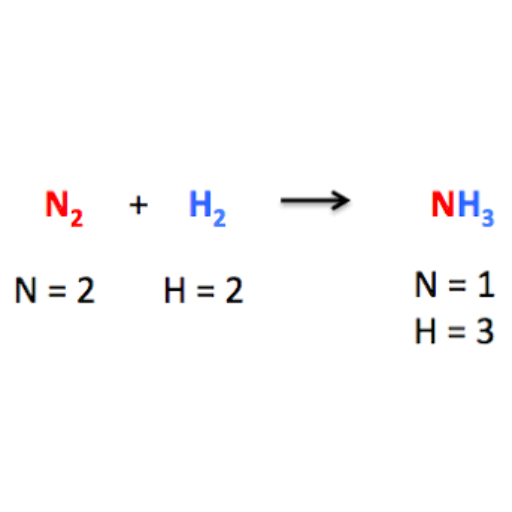
B is for Balancing Chemical Equations
A chemical equation where the total charge and the number of atoms in each reactant and product are the same. Put differently, both sides of the reaction have equal amounts of mass and charge.

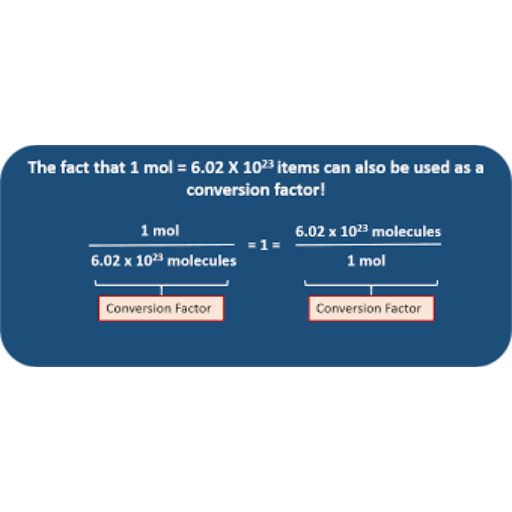
C is for Conversions
The act of transforming something into a different state or form is known as conversion.

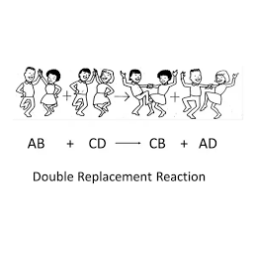
D is for Double-Replacement Reaction

When components of two ionic compounds are exchanged to create two new compounds, double replacement reactions.
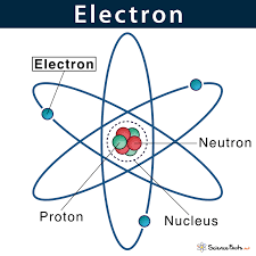
E is for Electron
a stable subatomic particle that is the main source of electrical charge in solids and is present in all atoms. It has a negative electrical charge.

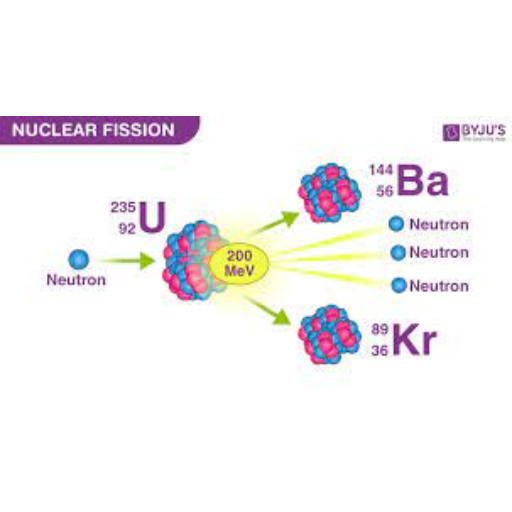
F is for Fission
When atoms break apart, energy is released.

G is for Gas
a substance or matter in a state in which it will expand freely to fill the whole of a container, having no fixed shape (unlike a solid) and no fixed volume (unlike a liquid).

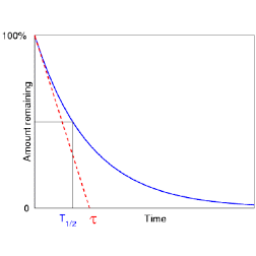
H is for Half-Life
is the amount of time needed for a substance's quantity to decrease to half of its original value.

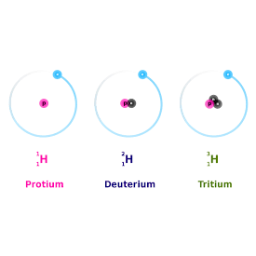
I is for Isotope
each of two or more forms of the same element that contain equal numbers of protons but different numbers of neutrons in their nuclei, and hence differ in relative atomic mass but not in chemical properties; in particular, a radioactive form of an element.

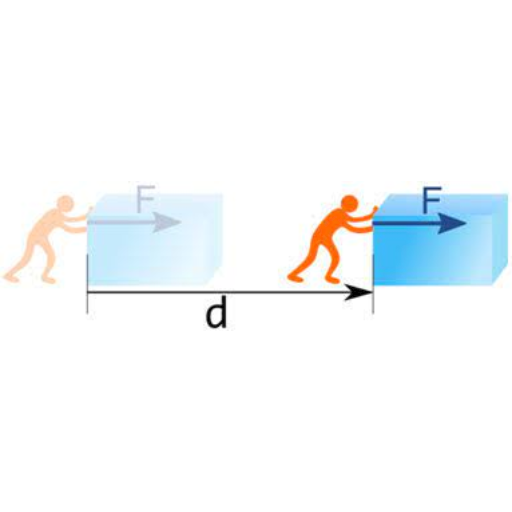
J is for Joule
The SI derived unit used to measure energy or work. One joule is equal to the energy used to accelerate a body with a mass of one kilogram using one newton of force over a distance of one meter. One joule is also equivalent to one watt-second.

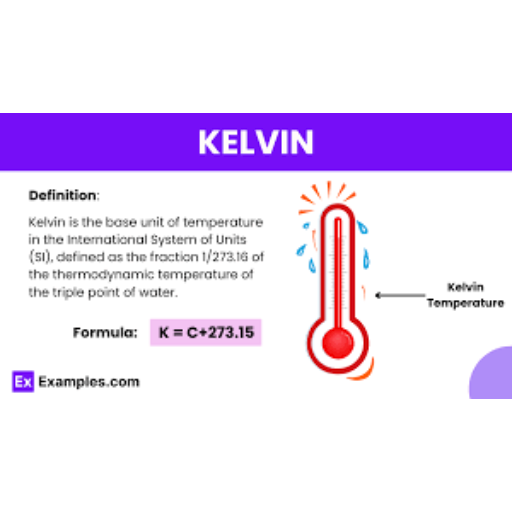
K is for Kelvin
the base unit of temperature in the International System of Units that is equal to 1/273.16 of the Kelvin scale temperature of the triple point of water and also to the Celsius degree.

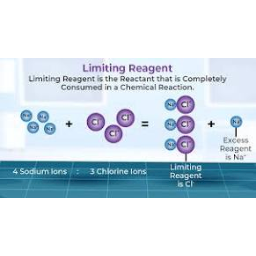
L is for Limiting Reactant
An ingredient or reactant in a chemical reaction that yields the least amount of the product is known as a limiting reactant. Stated differently, the reactant that runs out or is completely consumed first, stopping the chemical reaction, is the limiting reactant.

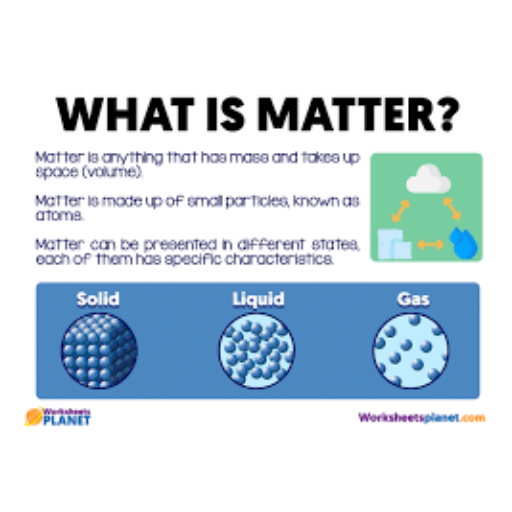
M is for Matter
anything that takes up space and can be weighed

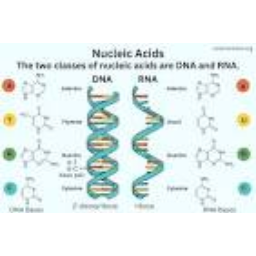
N is for Nucleic Acid
Nucleic acids are large biomolecules that play essential roles in all cells and viruses. A major function of nucleic acids involves the storage and expression of genomic information. Deoxyribonucleic acid, or DNA, encodes the information cells need to make proteins.

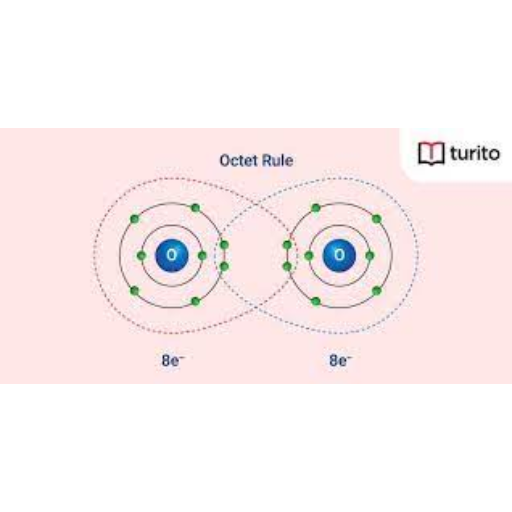
O is for Octect Rules
The octet rule refers to the tendency of atoms to prefer to have eight electrons in the valence shell. When atoms have fewer than eight electrons, they tend to react and form more stable compounds.

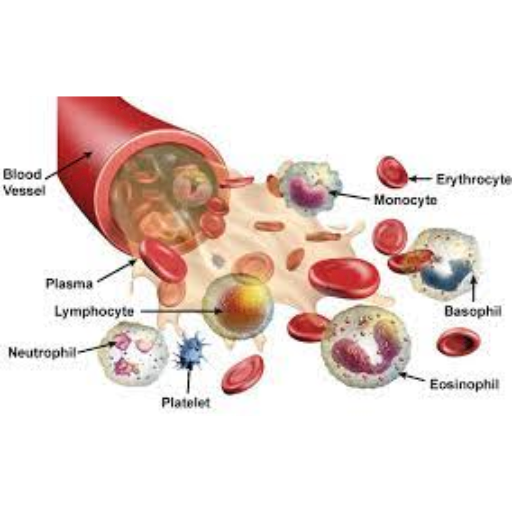
P is for Plasma
the colorless fluid part of blood, lymph, or milk, in which corpuscles or fat globules are suspended.

- Full access to our public library
- Save favorite books
- Interact with authors

- < BEGINNING
- END >
-
DOWNLOAD
-
LIKE
-
COMMENT()
-
SHARE
-
SAVE
-
BUY THIS BOOK
(from $5.19+) -
BUY THIS BOOK
(from $5.19+) - DOWNLOAD
- LIKE
- COMMENT ()
- SHARE
- SAVE
- Report
-
BUY
-
LIKE
-
COMMENT()
-
SHARE
- Excessive Violence
- Harassment
- Offensive Pictures
- Spelling & Grammar Errors
- Unfinished
- Other Problem

COMMENTS
Click 'X' to report any negative comments. Thanks!