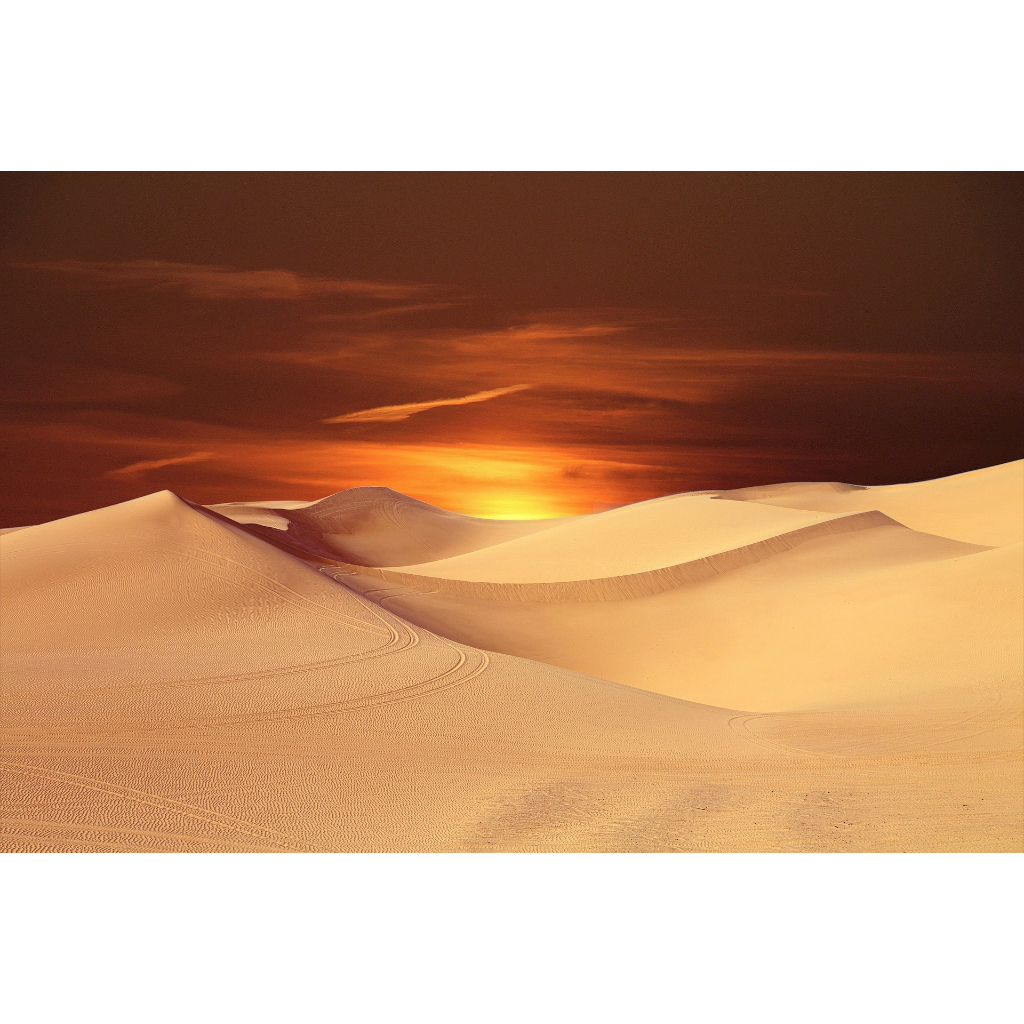

Table of Contents: Introduction Pg.3 Plants Pg.4
Animals Pg.5
Decomposers Pg.6
Energy Pyramid Pg.7
Food Web Pg.8
The Earth's Layers Pg.9-10
Threats Pg. 11
Works Cited Pg. 12
Glossary Pg. 13
If global warming goes on for too long, water holes will dry up, people living in the desert will die, animals will die, and the desert will rapidly expand. To stop global warming we can use electric cars, reduce the use of natural resources and natural gases, and we can use eco-friendly electronics. You might have all seasons where you live but the desert has only 2 seasons! The seasons are called dry season and wet season. The dry season happens during December and May. June and May are the driest months in the desert. It might not sound like a cold place, but it is very much at a place like Antarctica. Antarctica might not sound like a desert but it is because of what a desert is defined as. A desert is defined as an area that gets less than 10 inches of precipitation per year. Many other deserts can be rocky, snowy, or covered with ice. You can find deserts on every continent except Europe. Examples of deserts are The Sahara Desert, The Mojave Desert, The Atacama Desert, The Gobi Desert, and many more smaller deserts not known as well. The average temperature during the day is 38 degrees Fahrenheit. Imagine living without much water and that heat! But night in the desert is way different than the day. The average temperature at night is -3.9 degrees Fahrenheit! Imagine the temperature in a desert, which is very cold compared to what people normally think a desert is.
Introduction
Indigenous peoples of Africa have used the hoodia plant to stop hunger during long hunting trips in the desert but other people wouldn’t like the bitter taste of it. Ocotillo is a long-stemmed plant that has flowers at the top. It quickly sprouts after rain to save water. In conclusion, deserts are much more than barren landscapes they are vibrant ecosystems teeming with unique and resilient plant life that has adapted to harsh conditions. Knowing these plants shows the importance of conserving desert environments, as they are necessary for sustaining the wildlife and cultures that depend on them.
Plants
The animals in the desert aren’t dying, as one would think because there isn’t much water in the desert, but they have many ways of getting water including from their prey and plants like cactuses. Camels eat lots of plants at Oasis and keep the fat in their humps for long journeys. It's a myth that camels store water in their humps, they store fat instead. Some cute animals are also in the desert, like the sand cat. A sand cat can live for weeks without water and get water from their prey. Xerocoles known as xerophilic animals are brown and darkish white foxes that live in the desert. Xerocole is a word from the Greek language meaning dry and kolein, kolein means to inhabit. The Roadrunner birds are adapted to the desert, but they aren’t solely in the desert. You can find Roadrunners in grasslands or scrublands also. There aren’t just animals in the desert, there are insects! Professionals at capturing moisture from fog, Desert beetles are just one of many insects in the desert.
Animals
Decomposers play a key role in all ecosystems, but what kind of decomposers are in the desert? They include 2 types, scavengers and decomposers! Vultures are a kInd of scavenger that eat dead animals and remains of dead plants.
Decomposers
Some deserts have exclusive kinds of scavengers, just like the Sahara desert ant. They forage for dead insects and dead arthropods that died from the heat or starvation. The decomposers are like scavengers, but they eat animal dung or dying plants. An excellent example of a decomposer is a dung beetle, yes they might sound disgusting but they are vital to the ecosystem. Just like ants are important to almost every ecosystem.
Bacteria is a decomposer in the desert and in all ecosystems too. These decomposers are just some of the many out there in this world, so who wonders what we will discover next, an ancient decomposer?
The desert energy pyramid shows how energy moves through the ecosystem and who eats who. At the very bottom are primary producers like barrel cactus and other plants that turn sunlight into energy through photosynthesis. Then come the primary consumers, like antelope and other herbivores, which eat those plants. Next are the secondary consumers, which are small carnivores that hunt the herbivores. At the top of the pyramid are the bigger predators that eat the secondary consumers, like the desert wolf. Remember decomposers like fungi and bacteria! They break down dead plants and animals and put nutrients in the soil helping the plants grow again and keeping everything balanced in the desert ecosystem.
The Desert Energy Pyramid
In nature, plants, animals, and decomposers depend on each other in a food web. Plants get their food using sunlight which gives them energy. Herbivores like rabbits and deer, eat the plants to gain energy and grow. Then, carnivores, like wolves and eagles eat the herbivores to survive. When plants and animals die, decomposers like mushrooms and bacteria help break them down, turning the dead matter back into nutrients for the soil. This helps new plants grow and keeps everything under control. Without this work, the desert wouldn’t be as healthy.
Food Web
- Full access to our public library
- Save favorite books
- Interact with authors
- < BEGINNING
- END >
-
DOWNLOAD
-
LIKE
-
COMMENT()
-
SHARE
-
SAVE
-
BUY THIS BOOK
(from $2.99+) -
BUY THIS BOOK
(from $2.99+) - DOWNLOAD
- LIKE
- COMMENT ()
- SHARE
- SAVE
- Report
-
BUY
-
LIKE
-
COMMENT()
-
SHARE
- Excessive Violence
- Harassment
- Offensive Pictures
- Spelling & Grammar Errors
- Unfinished
- Other Problem






COMMENTS
Click 'X' to report any negative comments. Thanks!