
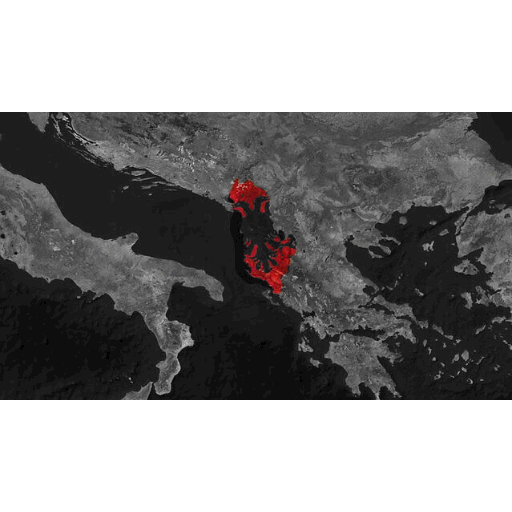
Rudina Caslli and Gerhard Sina are Albanians born and raised in the same home country but in different cities. Rudina, from Tirana, and Gerhard, from Memaliaj, met in their third year at the University of Tirana and got married a few years later.
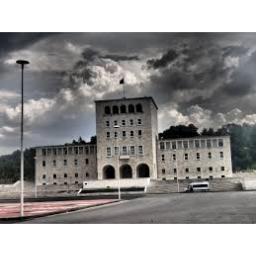
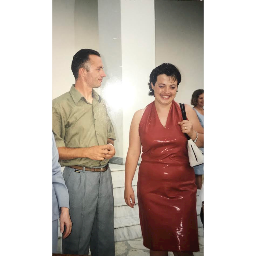
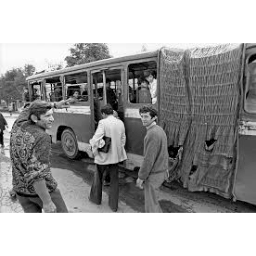
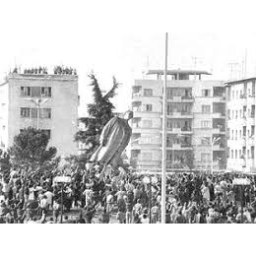
Many Albanians, especially in the early 2000s, wanted to leave because of economic hardship: high unemployment and low wages; political instability: Albania transitioned to democracy in the 1990s; corruption and weak governance in the 2000s led to dissatisfaction; and poor services: limited healthcare, poor infrastructure, and weak public services. These push factors led Rudina Caslli and Gerhard Sina to leave the country together.

Gerhard wanted to leave Albania ever since he was 14, while Rudina never thought about it until Gerhard explained why they should. After a little bit of time, Rudina also thought it was best to immigrate for their future family. Both of them originally wanted to immigrate to America, but due to complications, the next best option was Canada. Canada was offering programs for immigrants, and they decided to apply. When they got accepted, they left Albania and didn't look back.
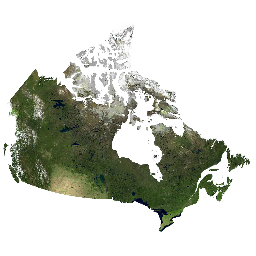
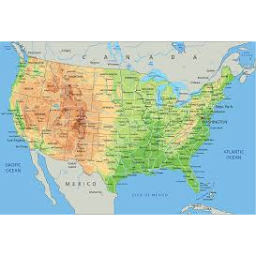


Canada was a great opportunity for them, as there were economic opportunities: better jobs, higher wages, and a much stronger economy; political stability: a stable government with less corruption; better quality of life: better education, housing, food, and people. These pull factors attracted them to come to Canada, especially to Toronto, Ontario, where they moved.





Before they were official immigrants, they faced challenges that made the destine harder for them. The main problem was that they had no connections. No one they knew lived in Canada, making it feel a little unsteady sense that meant they won't see their family and friends often. Another main challenge they faced was that it was a new environment, which meant new areas, people, languages, culture, and more, which made them a little uneasy. There was another big issue, debt. They borrowed money from family relatives and took a very long time to pay it back, which made their lifestyle harder due to having to pay small amounts to the debt they owed.




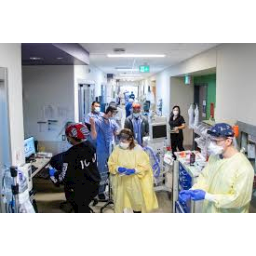
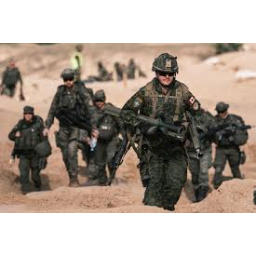
While there were downsides to immigrating to Canada, there were also good ones that made up for them. Both Rudina and Gerhard got jobs as cleaners, and well it didn't sound great, it was the first start of working their way up as accountants. They also didn't have to worry about free healthcare, because Canada has better medicine, doctors, and technology compared to Albania. An amazing benefit that was essential for them was a stable country like Canada. Canada is one of the strongest countries and doesn't have much conflict, but Albania was the opposite, after having protests in the 1990s for communism and war against the government.


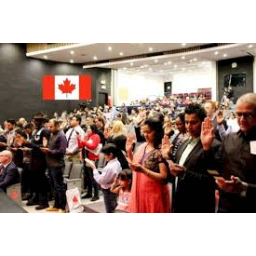
While it was hard on them, they managed just fine in a new home. Soon after, they slowly started to become Canadians. They were official "Canadians" after changing their Permanent Residency to Canada and did the Citizenship Test & Oath 3 years after immigrating. They started to understand and feel Canada's multiculturalism; meeting new people from different cultures. Also, Emotional Integration played a huge part in becoming more Canadian, like adapting Identity and balancing Canadian citizenship with cultural heritage and, Sense of Belonging: they connected emotionally to Canadian values and symbols.



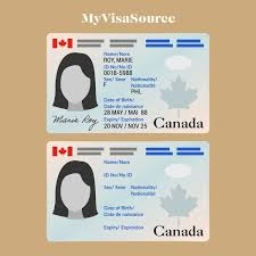
Besides all of these challenges, it didn't stop Rudina and Gerhard from making an impact on the next generation. After getting officially married in a small church, they had 2 children, Kevin and Alba Sina, who were first-generation born in Canada. Ever sense then, Kevin now attends Toronto Metropolitan University and Alba attends Riverdale Colligate Institute. Overall, coming to Canada was the best choice for Gerhard and Rudina, it brought great opportunities for them and their kids.



Albania's Culture

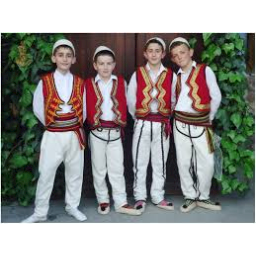
Albania Culture Clothing:
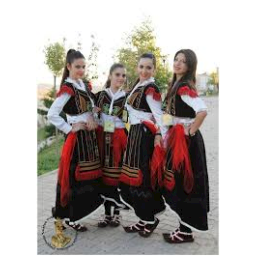
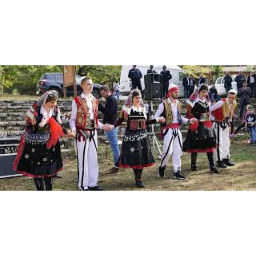
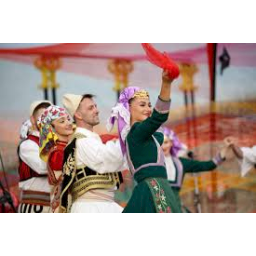
Traditional Albanian clothing is different by region. In the north, men wear a felt cap and special pants, while women wear colorful embroidered dresses. In the south, the clothing is influenced by Byzantine and Ottoman styles with beautiful fabrics and embroidery.
- Full access to our public library
- Save favorite books
- Interact with authors
- < BEGINNING
- END >
-
DOWNLOAD
-
LIKE
-
COMMENT()
-
SHARE
-
SAVE
-
BUY THIS BOOK
(from $4.39+) -
BUY THIS BOOK
(from $4.39+) - DOWNLOAD
- LIKE
- COMMENT ()
- SHARE
- SAVE
- Report
-
BUY
-
LIKE
-
COMMENT()
-
SHARE
- Excessive Violence
- Harassment
- Offensive Pictures
- Spelling & Grammar Errors
- Unfinished
- Other Problem





COMMENTS
Click 'X' to report any negative comments. Thanks!