
Early Life
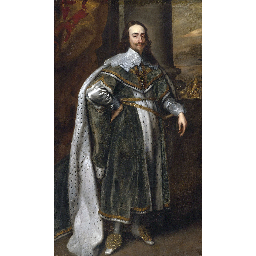
King Charles I was born on November 19, 1600, in Scotland, the son of King James VI of Scotland and I of England. He became the King of England in 1625 after the death of his father. Charles I was initially seen as a reserved and somewhat uncharismatic figure. His reign began amidst political uncertainty, with challenges to his rule almost from the outset.

Created & published on StoryJumper™ ©2026 StoryJumper, Inc.
All rights reserved. Sources: storyjumper.com/attribution
Preview audio:
storyj.mp/ahriicryjpm6
Political Philosophy and Beliefs
Charles I firmly believed in the divine right of kings, which held that the monarchy's authority was granted directly by God. This belief led him to resist attempts by Parliament to limit his power. He viewed his role as God's appointed ruler and rejected any interference in his decisions. This absolutist philosophy, however, set the stage for intense conflicts with Parliament, particularly regarding issues of taxation and governance.
2
"Never make a defence or apology before you be accused."

3
Conflicts with Parliament
Charles’s reign was marked by increasing tensions with Parliament. He dissolved Parliament multiple times when it opposed his policies, particularly over issues like taxation and the funding of wars. One of his most controversial decisions was the imposition of "Ship Money," a tax on coastal towns to fund the navy, which was seen as an overreach of his authority. These actions led to widespread protests and growing resentment toward his rule.
4

5
The English Civil War
In 1642, the conflict between the monarchy and Parliament escalated into the English Civil War. Charles I's refusal to compromise with Parliament led to a violent and prolonged civil conflict. The Royalists (Cavaliers) fought against the Parliamentarians (Roundheads), with key battles such as Edgehill and Naseby shaping the course of the war. Ultimately, the Parliamentarians emerged victorious, and the monarchy’s power was severely weakened.
6
Benefits:
- Full access to our public library
- Save favorite books
- Interact with authors
READ

storyjumper.com
- < BEGINNING
- END >
-
DOWNLOAD
-
LIKE
-
COMMENT()
-
SHARE
-
SAVE
BUY THIS BOOK (from $2.99+)
-
BUY THIS BOOK
(from $2.99+) -
BUY THIS BOOK
(from $2.99+) - DOWNLOAD
- LIKE
- COMMENT ()
- SHARE
- SAVE
- Report
Liked By
X
Encourage this author
-
BUY
-
LIKE
-
COMMENT()
-
SHARE
Problem with this book
X
- Excessive Violence
- Harassment
- Offensive Pictures
- Spelling & Grammar Errors
- Unfinished
- Other Problem
Which pages have problems?
Please describe the problem:
left text
right text
"King Charles I: Monarch and Politician"

Charles I believed in the divine right of kings, leading to conflicts with Parliament and the English Civil War, ultimately resulting in his execution and a shift in British political power.
(11 pages)
Privacy level:
PUBLIC
2 reads
Report

COMMENTS
Click 'X' to report any negative comments. Thanks!
