it says it in shorts words.And it is the book about the science for children.
It was created by CAM

The story of humans going to the Moon is a fascinating one, full of ambition, bravery, and scientific achievement. It all culminated with the Apollo 11 mission in 1969, but it was the result of years of work and development. Here’s the general timeline and key events of how a person finally made it to the Moon:

1.The Space Race and the Cold War
In the late 1950s and early 1960s, the world was in the midst of the Cold War between the United States and the Soviet Union.A significant part of this rivalry was a "space race" to demonstrate technological superiority.

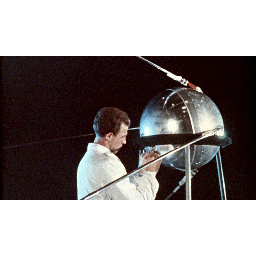
In 1957, the Soviet Union launched Sputnik, the first artificial satellite, which gave them a lead in space exploration.
This event spurred the U.S. into action, and President John F. Kennedy set a bold goal for the country: to land a man on the Moon and return him safely to Earth by the end of the 1960s.
2.The Apollo Program
To achieve this goal, NASA (the National Aeronautics and Space Administration) developed the Apollo program. The program’s goal was to send astronauts to the Moon,

and it involved developing new spacecraft, rockets, and technology to make this possible. The Apollo program had multiple missions, but it was Apollo 11 that achieved the historic goal of landing humans on the Moon.
3.Key Missions Leading Up to Apollo 11
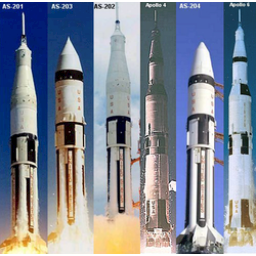
Before Apollo 11, there were several important missions that tested and developed the technology required for a Moon landing:
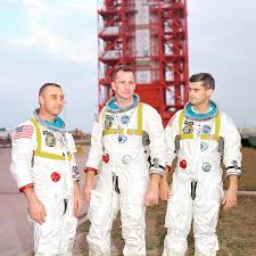
Apollo 1 (1967): A tragic event occurred when a cabin fire during a pre-flight test killed three astronauts: Gus Grissom, Ed White, and Roger B. Chaffee. This setback led to a reevaluation of spacecraft safety, and improvements were made.

Apollo 7 (1968): The first successful crewed mission, which orbited Earth and tested the Apollo spacecraft.
Apollo 8 (1968): This was the first crewed mission to orbit the Moon. It provided critical experience for what would eventually be the lunar landing.

Apollo 10 (1969): This mission went to the Moon and tested the Lunar Module in orbit, but didn’t land. It essentially set the stage for Apollo 11.
Apollo 11: The Historic Moon Landing

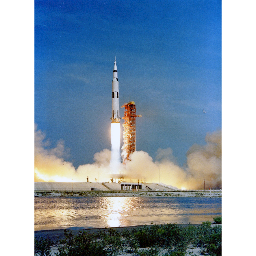
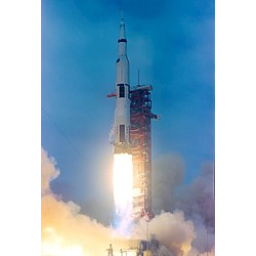
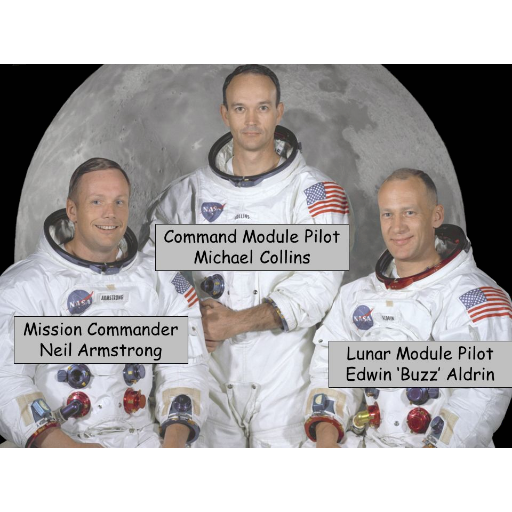
Finally, on July 16, 1969, Apollo 11 launched from Kennedy Space Center in Florida. The crew consisted of three astronauts:

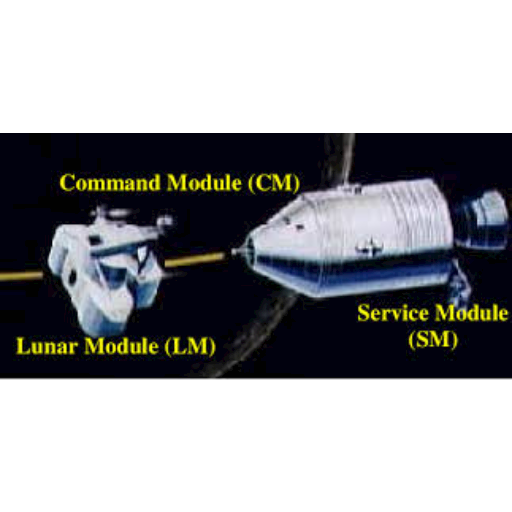
The spacecraft, consisting of two parts—the Command Module and the Lunar Module—took them on their journey to the Moon.

On July 20, 1969, after traveling through space for several days, the Lunar Module, Eagle, separated from the Command Module, which was piloted by Michael Collins. Armstrong and Aldrin descended toward the Moon’s surface.
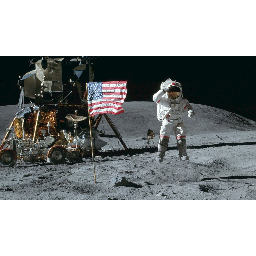
Armstrong's famous words as he stepped onto the lunar surface were: "That's one small step for [a] man, one giant leap for mankind." Aldrin joined him shortly after, and the two astronauts spent about 2 hours and 15 minutes walking on the Moon, collecting samples, conducting experiments, and setting up scientific instruments.
- Full access to our public library
- Save favorite books
- Interact with authors
This book is good for children.But because it is more intelligence it can be used by others too.
made by CAM

- < BEGINNING
- END >
-
DOWNLOAD
-
LIKE(1)
-
COMMENT()
-
SHARE
-
SAVE
-
BUY THIS BOOK
(from $2.99+) -
BUY THIS BOOK
(from $2.99+) - DOWNLOAD
- LIKE (1)
- COMMENT ()
- SHARE
- SAVE
- Report
-
BUY
-
LIKE(1)
-
COMMENT()
-
SHARE
- Excessive Violence
- Harassment
- Offensive Pictures
- Spelling & Grammar Errors
- Unfinished
- Other Problem

COMMENTS
Click 'X' to report any negative comments. Thanks!