Dedicated to Professor Kerry Walling, ENVR 1301


The circulation of carbon on earth in which atmospheric carbon dioxide is converted to organic nutrients through photosynthesis and is again converted back to the inorganic state by respiration, decay, or combustion.
What is the carbon cycle?






Fossils and fossil fuels (coal & oil)
Decomposition of dead and waste matter
Sunlight
Photosynthesis by producers
CO2 in the atmosphere
Animal respiration
Plant respiration
Carbon fixation by consumers

Fossil fuel combustion


Root respiration
__________
____
__________________________
_____
_________
____________
_________
____
--
___________


Carbon Cycle Steps
1. Carbon present in the atmosphere is absorbed by plants for photosynthesis.
2. These plants are then consumed by animals and carbon gets bioaccumulated into their bodies.
3. These animals and plants eventually die, and upon decomposing, carbon is released back into the atmosphere.
4. Some of the carbon that is not released back into the atmosphere eventually become fossil fuels.
5. These fossil fuels are then used for man-made activities, which pump more carbon back into the atmosphere.
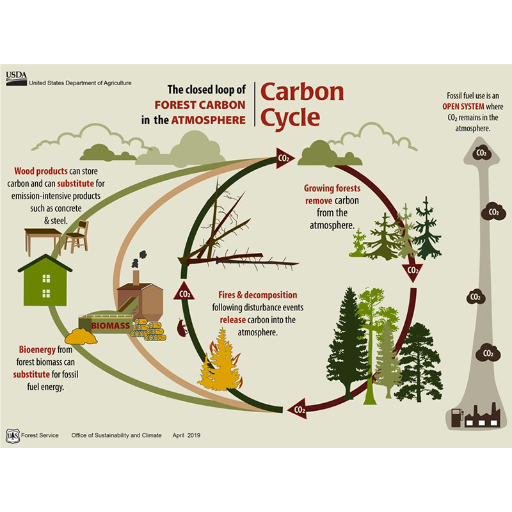
The Role of Forests in the Carbon Cycle?
Forests cover around a third of the worlds land area and play critical role in the global carbon cycle. Through photosynthesis, forests store carbon (carbon sequestration) from the atmosphere with carbon becoming part of plant mass or eventual wood products. When trees die, carbon continues to remain in the forest ecosystem and cycle through dead trees, forest floor, soil organic carbon, and to the atmosphere through decay or combustion. Between a third and a quarter of all energy-related CO2 emissions have been turned into forest and soil biomass through the process of photosynthesis. A proportion of that carbon is returned to the atmosphere as forests burn, decay or are degraded by human activity. The rates of carbon sequestration are generally greater in younger (20-70 year old) forests, when growth rates are highest. Carbon moves in and out of tropical systems very quickly compared to temperate zone forests. This is due to the difference in location, climate, species composition plant diversity and productivity.
Tropical Rainforests Carbon Cycling Processes
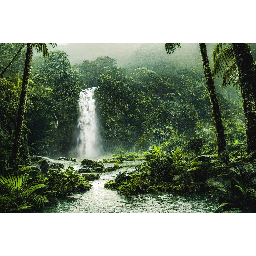
While tropical forests are good at capturing carbon, they are also just as good at releasing the carbon in a short time frame. Tropical forests are located close to the equator, where the climate is warm and humid. This climate allows whole trees to rapidly decompose, and the soils can be low in organic matter. They also have year-round rain fall with high biodiversity. The constant rain helps to break down organic material and wash away soil and nutrients. Carbon sequestration in tropical forests peaks due to rapid plant growth despite being subject to additional carbon release from disturbances like deforestation, which poses a large threat to our future.
Temperate Deciduous Forests Carbon Cycling Processes
Temperate forests are excellent at providing long term carbon storage and serving as effective carbon sinks. They are located on higher latitudes, and they experience all four seasons. Their distinct seasonal changes influence species composition and affect productivity. For example, the trees grow relatively quickly, and many species are long-lived. Decomposition in temperate forests occurs at a slower rate compared to tropical forests, and soils in these regions represent up to 50% of the carbon within forest. They recover carbon stocks through regrowth and management practices after disturbances like wildfires or hurricanes.
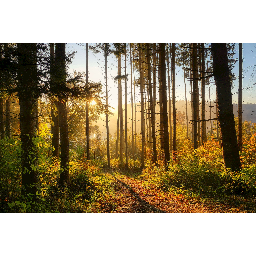
Impact of Forests on Climate Change
Forests are important in the carbon cycle because they contribute to and mitigate the effects of carbon in the atmosphere. Forests play a key role in regulating levels of carbon dioxide in our atmosphere. They act as carbon sinks, where the removal of carbon from the atmosphere, exceeds the amount of carbon released. For example, U.S. forests store 14 percent of all annual carbon dioxide (CO2) emissions from the national economy. Forests carbon sinks are important because too much CO2 in the atmosphere is bad for air quality and human health. Carbon dioxide, a greenhouse gas, traps heat in the lower levels of the atmosphere and contributes to climate change’s trend of globally increasing temperatures.
Consequences of Deforestation and Forest Degradation
Logged forests become a far less effective carbon sink, getting rid of one of our best tools in the fight against climate change. Chopping down trees releases huge amounts of carbon during the process, and it also undermines the future ability of habitats to soak up greenhouse gases from the atmosphere. Without forest cover, soil is left exposed and will gradually oxidize and decay. As a result, large amounts of carbon stored in the soil are released back into the atmosphere. In addition, forest fires produce three times more carbon than the forests can absorb, thus creating a negative loop. Deforestation and forest degradation can lead to more severe weather patterns and reduce resilience against climate-related stresses.
- Full access to our public library
- Save favorite books
- Interact with authors
- < BEGINNING
- END >
-
DOWNLOAD
-
LIKE
-
COMMENT()
-
SHARE
-
SAVE
-
BUY THIS BOOK
(from $2.99+) -
BUY THIS BOOK
(from $2.99+) - DOWNLOAD
- LIKE
- COMMENT ()
- SHARE
- SAVE
- Report
-
BUY
-
LIKE
-
COMMENT()
-
SHARE
- Excessive Violence
- Harassment
- Offensive Pictures
- Spelling & Grammar Errors
- Unfinished
- Other Problem






COMMENTS
Click 'X' to report any negative comments. Thanks!