Lyceum 4 / Odesa, Ukraine
and SU Sv.sv.Kiril i Metodii / Smyadovo, Bulgaria
Mentors: Yovka Zhecheva
Tatiana Sheffer
Tatiana Horbunova
Olha Fedorova
The book is created in the framework of
the eTwinning project MULTICULTURAL ODESA
2025

SU Smyadovo/ Bulgaria
Yovka Zhecheva (Teacher)
Iviyan Petrov
Monika Boncheva
Nikolay Dimitrov
Presiana Hriastova
Elitza Antonova
Raia Georgieva
Zelin Huseinova
Nikolay Neykov
Nikol Yordanova
Ivanka Bratoeva
S
T
E
P
B
A
C
K
I
N
T
I
M
E
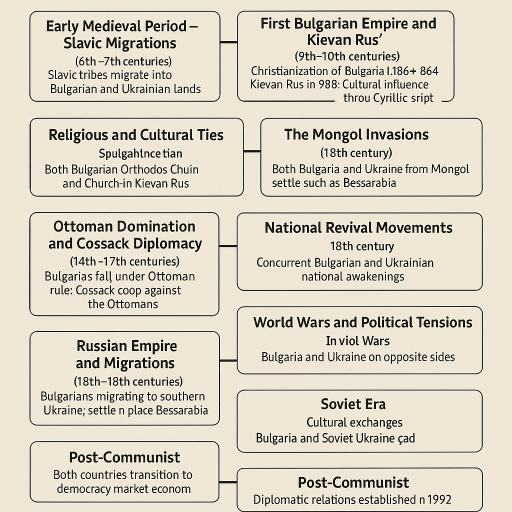
6th–7th centuries: Both Bulgarian and Ukrainian lands were heavily influenced by the migration of Slavic tribes. The ancestors of modern Ukrainians and Bulgarians were part of the broad Slavic expansion southward into the Balkans and eastward across Eastern Europe.
Some Slavic tribes in today's Ukraine and Bulgaria shared similar languages, customs, and early pagan religious practices.
9th–10th centuries: Bulgaria and Kievan Rus' became significant powers. Bulgaria officially adopted Christianity in 864 under Boris I. Later, Kievan Rus’ was Christianized in 988 under Vladimir the Great. The Bulgarian Orthodox Church and the early Orthodox Church in Kievan Rus' shared strong religious ties, liturgical traditions, and saints.
Bulgaria was a key center for Slavic literacy and culture, especially after the creation of the Cyrillic script (by Saints Cyril and Methodius and their disciples). This script spread northward into Kievan Rus’, and thus Ukraine adopted the Cyrillic alphabet indirectly through Bulgarian mediation.
Bulgarians in Ukraine
In 18th–19th centuries many Bulgarians migrated
to Ukraine. Bulgarian communities were established
in regions like Bessarabia and the Taurida Governorate.
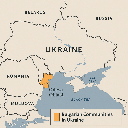
Cities such as Bolhrad became centers of Bulgarian culture in Ukraine.These settlers preserved Bulgarian language, traditions, and Orthodox faith, contributing to the multicultural landscape of southern Ukraine.
The Bessarabian Bulgarians still live in parts of southern Ukraine, particularly in Odesa Oblast. Bulgaria actively advocates for their rights and supports cultural programs for Bulgarian schools, churches, and organizations in Ukraine.
Partners and Friends
Bulgaria and Ukraine today are partners and friends. Both countries maintain friendly relations based on common history, Orthodox Christianity, minority communities (especially ethnic Bulgarians in Ukraine), and shared interests in Black Sea security.
Ukraine and Bulgaria have growing trade ties, mainly in metals, agricultural products, machinery, and energy.
Bulgaria offers support at EU and NATO levels, humanitarian assistance, and a shared vision for Ukraine’s future in the European family.
Ukrainians in Bulgaria
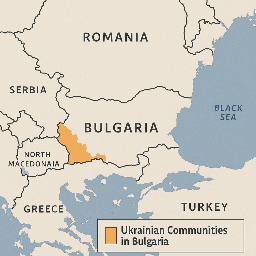
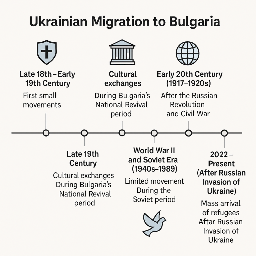
During Bulgaria’s National Revival period (19th century), Ukrainian intellectuals (like writers and educators) collaborated with Bulgarians to promote Slavic solidarity and Orthodox Christian culture.
After Ukraine became independent in 1991, more Ukrainians moved to Bulgaria for work, study, or business mostly to Sofia, Varna, and Plovdiv.
Ukrainian Organizations in Bulgaria
Association of Ukrainians in Bulgaria "Mother Ukraine" founded in 2003 in Sofia. It promotes Ukrainian culture, organizes concerts, exhibitions, language courses, and supports the Ukrainian community. Actively involved in humanitarian aid after 2022.
Ukrainian Cultural and Educational Center "Zlata" in Sofia which focuses on preserving Ukrainian traditions and teaching children Ukrainian language, literature, history, and folk dance.
Ukrainian-Bulgarian Association in Varna and Burgas works on friendship between Bulgarians and Ukrainians, cultural exchanges, charity initiatives, and refugee support.
Ukrainian Sunday Schools in Sofia, Varna, Burgas, Plovdiv, and other cities
provide Ukrainian language and culture classes for children of the diaspora and refugees.
Ukrainian Monuments in Bulgaria
Taras Shevchenko Monument in Sofia: In 2015, a monument to Taras Shevchenko, the famous Ukrainian poet and artist, was unveiled in Sofia, symbolizing the friendship between Ukraine and Bulgaria.
The Monument to Ukrainian Soldiers Who died in Bulgaria n the Sea Garden of Varna, serves as a symbol of the historical ties and mutual respect between Ukraine and
Bulgaria. It stands as a
tribute to the Ukrainian
soldiers who contributed
to Bulgaria's defense and
development, reflecting
the shared history
and enduring friendship
between the two nations.
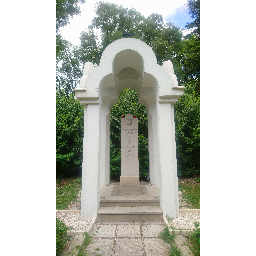
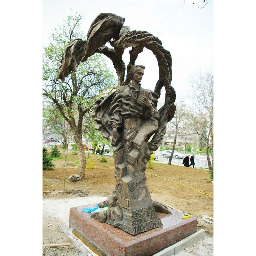
is for Aleksandar Malinov (1867–1938)
Born in Bessarabia (present-day Ukraine) to a family of Bessarabian Bulgarians, Malinov served as Bulgaria's Prime Minister on three occasions. He played a pivotal role in Bulgaria's declaration of independence from the Ottoman Empire in 1908 and was instrumental in shaping the country's foreign policy, particularly in fostering close ties with Russia.

Monika Boncheva
SU Smyadovo
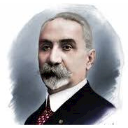
is for Andrey Sheptytsky (1865–1944)
Who: Ukrainian Greek Catholic Metropolitan.
Impact:
While more focused on Ukraine and Poland, he advocated pan-Slavic Orthodox and Catholic cooperation, including with Bulgarians.
Supported education and humanitarian causes across Eastern Europe.
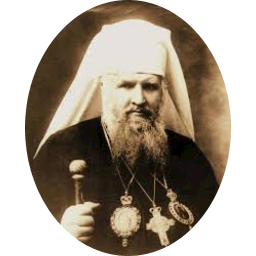
Iviyan Petrov
is for Aleksandar Teodorov-Balan
A
(1859-1959)
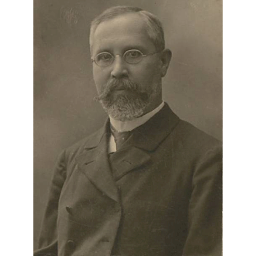
Aleksandar Teodorov-Balan was a prominent Bulgarian linguist and public figure, born in 1859 in Kubey, Bessarabia — now in Ukraine. He later moved to Bulgaria, becoming the first rector of Sofia University and a key figure in the development of Bulgarian language and education.
Kyrylo Shatruk
is for Borys Hrinchenko

Connection to Bulgaria:
No record of living in Bulgaria, but his work was widely read among Balkan Slavic intellectuals. Advocated national education, language preservation, and cultural revival, which deeply resonated with Bulgarian reformers during the National Revival and early 20th-century modernization.
Why he matters: Symbolizes the broader pan-Slavic intellectual exchange between Ukrainians and Bulgarians. Promoted education and nationalism through literature and philology, influencing similar Bulgarian efforts.
(by Presiana Hristova)
is for Bozveli Neophyte (1785-1848)
Neophyte Bozveli a prominent Bulgarian educator and church leader of the first half of the nineteenth century, fought for the national and ecclesiastical independence of the Bulgarians. In Odesa, an important center of Bulgarian emigration, his ideas of national revival found support among the local Bulgarian community. Through his followers, Bozveli indirectly influenced the formation of the national consciousness of the Bulgarian diaspora in the city. His struggle for church autonomy resonated with the aspirations of
Odesa Bulgarians to preserve their cultural heritage.
(by Zlata Siebova)
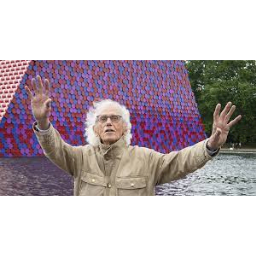
is for

Christo Vladimirov Javacheff, the Bulgarian-born artist, was renowned for his monumental environmental installations, but there is limited information on direct projects he completed in Ukraine. His work, however, had a global impact, reshaping how people interacted with urban and natural landscapes. Christo and his wife, Jeanne-Claude, were known for wrapping iconic structures and creating large-scale installations that encouraged viewers to see familiar spaces in new ways. While there may not be a specific installation in Ukraine, his artistic philosophy—challenging conventional views of space and form—likely influenced artists and architects in the region. His legacy continues to inspire creative minds worldwide.
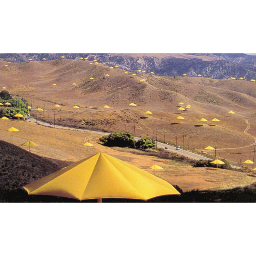
Elizabeth Bereziuk
is for Dimitar Agura (1849-1911)

Dimitar Agura was a Bulgarian historian and educator who lived and worked in Odesa. He was one of the first rectors of Odesa University and played an important role in developing higher education in the city. Agura promoted science and culture among both Bulgarians and Ukrainians. He also helped preserve Bulgarian identity while supporting Ukrainian academic life. His work strengthened the connection between the Bulgarian
and Ukrainian peoples. Though not widely known,
his legacy lives on in Ukrainian education a
nd cultural relations. (By Polina Kushnir)
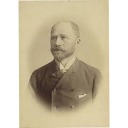
is for

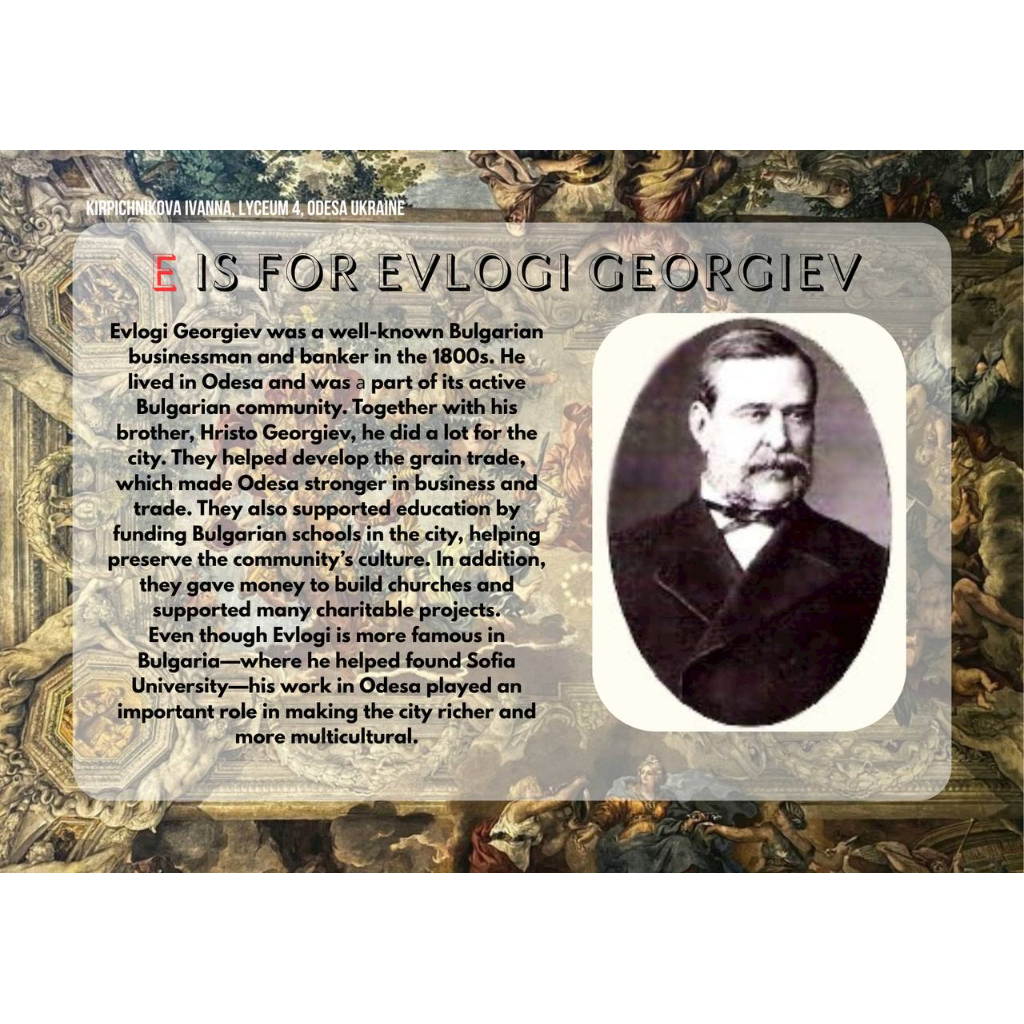

is for Feodosiy Tetianych
Feodosiy Tetianych
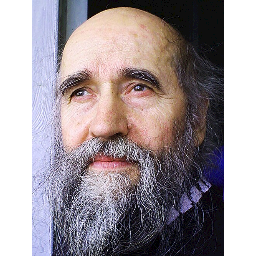
was a Ukrainian avant-garde artist and philosopher known for his concept of "Frypulia"—a worldview blending folklore, cosmic themes, and nature. His work, though deeply Ukrainian, resonated in Bulgaria, where shared Slavic motifs helped build cultural connections. Today, his legacy continues to inspire artists in both countries.
(1942–2007)
Daria Spasova, Odesa Lyceum 4
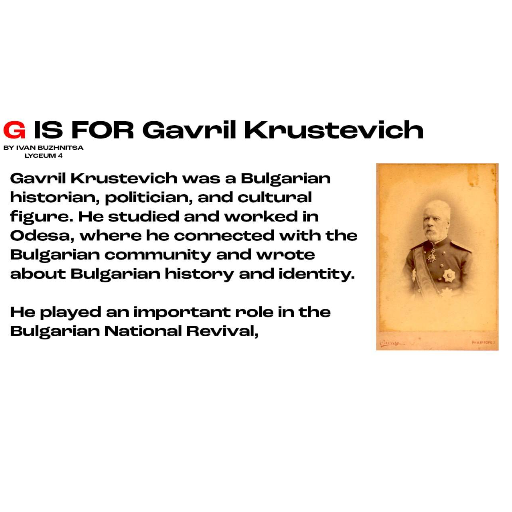
is for Georgi Sava Rakovski (1824-1867)
He was a Bulgarian patriot who spent time in Odessa and helped both Bulgarians and Ukrainians. He believed in freedom and worked with Ukrainian thinkers to exchange ideas about independence and culture. In Odessa, he supported Bulgarian immigrants by helping them open schools and cultural centers, so they could keep their traditions. Rakovski also wrote about unity and freedom, inspiring people in Bulgaria, Ukraine, and beyond. His time in Odessa showed how one person can connect nations and support peace and cooperation. (by Maksim Matsiuk)
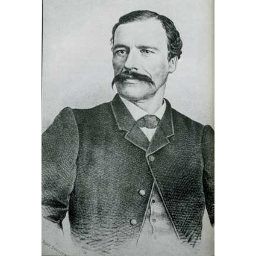

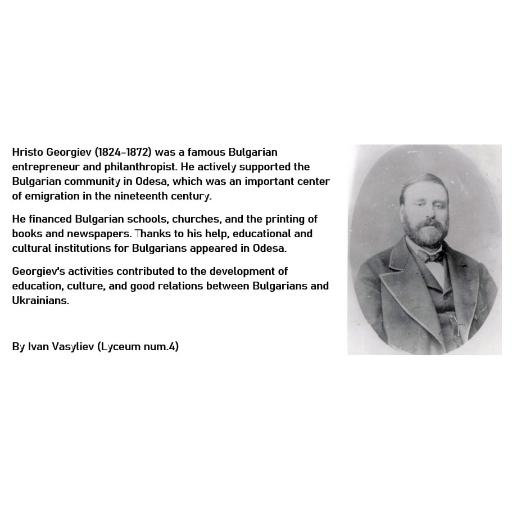
is for Georgiev Hristo (1824-1872)
Hristo Georgiev was a public figure and a sponsor.
In the 19th century, there was a large Bulgarian
community in Odesa. Hristo Georgiev was a famous
supporter of education and culture. He helped
Bulgarians in Odesa and other places in southern Ukraine.
He gave money to build schools, libraries, and churches for Bulgarian people.
Bulgarian children from Odesa, Kherson, and Bessarabia got scholarships from the Georgiev brothers to study in Bulgaria or in other countries like Bucharest, Vienna, and Paris. His help made the connection between Bulgarians and Ukrainians stronger. Odesa was a big center of education and printing. (by Lera Maksymenko)
is for

Origins: Born in Kyiv, Tsamblak was part of a noble family and educated in Orthodox theology and literature.
Connection to Bulgaria: He moved to Tarnovo, Bulgaria’s cultural capital at the time, and became a leading member of the Tarnovo Literary School, under the mentorship of Patriarch Evtimiy. He contributed religious texts and sermons written in Church Slavonic, helping to standardize the Bulgarian literary and liturgical language. His writings combined Byzantine theology with Slavic spirituality, deeply influencing Bulgarian Orthodox traditions.
Why he matters: He is a symbol of Orthodox Slavic unity. His cross-cultural influence links medieval Bulgarian, Ukrainian, and Serbian literatures. Though he later became Metropolitan of Kyiv, his spiritual and literary legacy is deeply rooted in Bulgaria.
(by Zelin Huseinova, Bulgaria)
H is for Hristo Botev
Hristo Botev, a prominent Bulgarian poet, revolutionary, and national hero, had a significant connection with Odesa. During the 1860s, he lived in the city, where he joined the vibrant Bulgarian immigrant community.Here, he deepened his political beliefs, wrote poetry, and collaborated with other Bulgarian patriots. His presence in Odesa helped strengthen the revolutionary spirit among Bulgarians abroad and contributed to the cultural and political awakening of the Bulgarian diaspora in the city.
By Alice Utkina, Lyceum #4
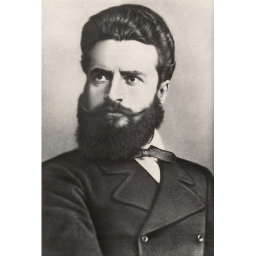
is for Ivan Franko

Poet, Thinker, Revolutionary
Though not active in Bulgaria, Franko’s writings were translated and read by Bulgarian intellectuals, especially his anti-imperial and social justice themes.
Promoted Slavic cultural unity in theory and correspondence.
Legacy: Influenced Bulgarian socialist and literary circles in the early 20th century.
by Ivanka Bratoeva, Bulgaria
is for Ivan Bogorov ( 1818 - 1892 )
Ivan Bogorov was a bulgarian encyclopaedist of the National Renaissance. Ivan Bogorov was a graduate of the Richelieu Lyceum in Odessa. This educational institution played an important role in the formation of many Bulgarian Renaissance figures.
He was connected with the Bulgarian community of the city, an important part of its multicultural environment. His contribution to Bulgarian culture could indirectly enrich the cultural life of Odessa.
Odessa was the centre of Bulgarian book publishing. Given his active publishing activities later in life,
he may have started or supported
the publication of Bulgarian
books and newspapers published
in Odessa. (by Arina Zaderey)
Ivan Vazov (1850-1921), the father of modern Bulgarian literature, had deep Ukrainian connections through his mother's family from Odesa. During his 1886-1889 exile in Odesa, he penned portions of his seminal novel Under the Yoke while absorbing the city's vibrant multicultural atmosphere.
By Sarana Diana
His works, though primarily focused on Bulgaria's liberation struggle, contained pan-Slavic themes that resonated with Ukrainian intellectuals of the era. Today, Vazov is commemorated in Odesa with a monument, symbolizing the enduring cultural ties between Bulgaria and Ukraine, while his poem The Danube stands as a testament to shared Slavic aspirations against imperial domination.
is for

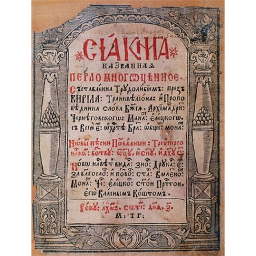
is for Kyrylo Stavrovetsky-Tranquillon

Who: Ukrainian Orthodox bishop, writer,
and educator.
Impact:
His theological texts and sermons circulated in Bulgarian lands during Ottoman rule.
Helped preserve Slavic Orthodox culture across the Balkans and inspired local clergy.
Iviyan Petrov, Bulgaria
is for Lesya Ukrainka (1871–1913)

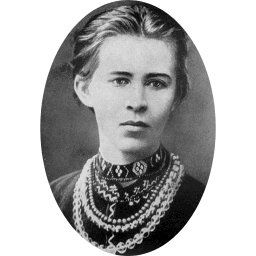
Who: Ukrainian poet and feminist thinker.
Influence:
Her literary works were translated into Bulgarian and admired for their depth, symbolism, and national themes.
Her focus on resistance and national dignity inspired Bulgarian authors and activists.
by Nikolay Dimitrov, Bulgaria
Lyuben Karavelov was a bulgarian writer, journalist and ethnographer. For some time he lived and studied in Odesa and was really into works by ukrainian authors, such as Taras Shevchenko. Lyuben Karavelov in his own works showed support for early slavic national movements, including ukrainian, and clearly distinguished ukrainians from russians, which
was a rare thing at the time.
(by Andriy Sendyk, lyceum №4)
L for Lyuben Karavelov (1834 - 1879)
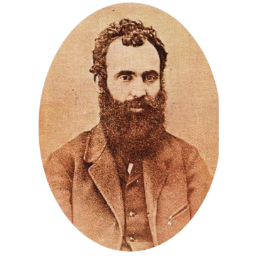
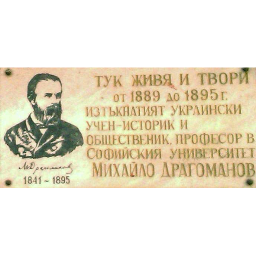
is for Mykhailo Drahomanov

Origins: Born in Hadiach, Poltava region, Ukraine.
Hе was a professor, publicist, and political thinker
promoting federalism and liberal socialism. Bulgarian
connection: After being expelled from Kyiv University
for political views, he settled in Sofia (1889–1895). Became a professor at Sofia University. Collaborated with Bulgarian revolutionaries and reformists during Bulgaria’s early post-Ottoman statehood period.
Why he matters: His ideas shaped leftist political thought in Bulgaria. He inspired movements focused on decentralization and local autonomy. Seen as a bridge between Ukrainian and Bulgarian democratic traditions.
by Nikol Yordanova, Bulgaria
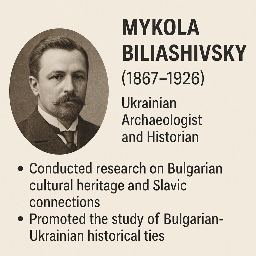
is for Mykola Biliashivsky
* Pioneer of museum studies and Slavic archaeology.
* Researched medieval Bulgaria’s cultural ties with Kyivan Rus’.
* Promoted the Cyrillic script’s origins and Orthodox heritage.
Advocated for Bulgarian-Ukrainian historical connections.
*Supported cross-cultural preservation of Slavic history.
* He embodied a cultural bridge between two national revivals: the Bulgarian and Ukrainian.
His spirit lives on in current Slavic studies, museum culture, and international research on shared heritage in Eastern Europe.
by Nikolay Neykov, Bulgaria
is for Nikola Mushanov (1872-1951)
Nikola Mushanov was the Prime Minister of Bulgaria for a short time. He believed in peace and working together with other countries. People respected him for his honesty and intelligence. Even though he didn’t live in Odesa for long, his work helped many Bulgarians who lived there.Nikola Mushanov was a Bulgarian politician and diplomat. He worked between World War I and World War II. He helped to make stronger connections between Bulgaria and Ukraine. He did this by working at consulates in southern cities, including Odesa.
His work was more diplomatic, but it still helped the
Bulgarian community in the region. (by Dasha Roslyk)

is for Nestor Kornilov (1881–1923)
Who: Russian Empire officer and White Army general, Ukrainian-born.
Bulgarian link:
His followers, part of the White émigré community, settled in Bulgaria after the Russian Civil War.
They influenced Bulgarian military education and were involved in anti-communist networks.
by Elitza Antonova, Bulgaria
is for
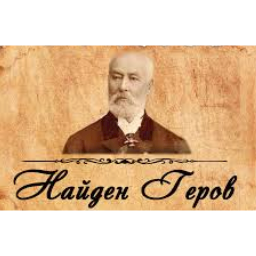
Naiden Gerov (1823–1900)
Naiden Gerov was a famous Bulgarian teacher and diplomat. He lived in the 19th century and worked in Odesa when many Bulgarians moved there.
In Odesa, he helped Bulgarian children to go to school and supported their culture. He also collected Bulgarian songs, stories, and words to save them for the future. He even started making a big Bulgarian dictionary.
Thanks to Naiden Gerov, the Bulgarian
community in Odesa became stronger,
and the city became even more
multicultural. (by Kyrylo Polovynka)
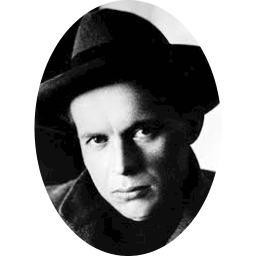
is for Oleksandr Dovzhenko (1894–1956)

Who: Ukrainian filmmaker and artist.
Bulgarian Influence:
His films were shown in Bulgaria and inspired socialist-era Bulgarian directors, especially in poetic realism and national themes.
Seen as a cultural icon in 1950s Bulgaria.
by Iviyan Petrov, Bulgaria
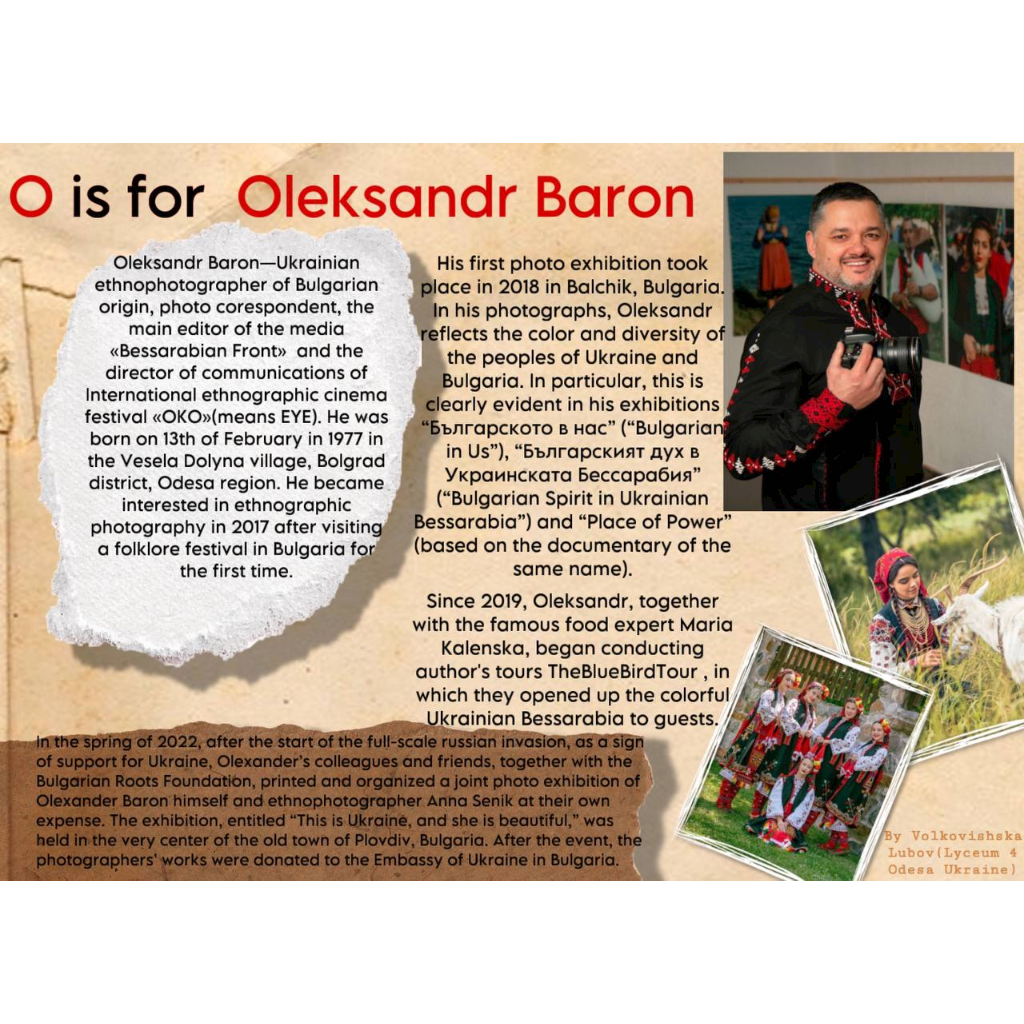
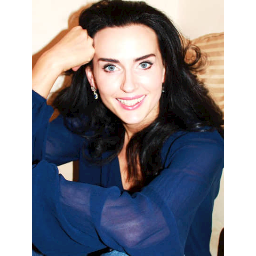
is for Olesya Ilashchuk
Ukraine's Ambassador to Bulgaria
in December 2022, has played a
significant role in strengthening
Ukrainian- Bulgarian relations and
supporting the Ukrainian community in Bulgaria.
She reported that over 14,000 Ukrainian citizens are employed in Bulgaria, contributing to the local economy and paying taxes. Additionally, more than 52,000 Ukrainians have received temporary protection status in Bulgaria, reflecting successful bilateral cooperation in humanitarian efforts.
by Raia Georgieva, Bulgaria
- Full access to our public library
- Save favorite books
- Interact with authors
- < BEGINNING
- END >
-
DOWNLOAD
-
LIKE
-
COMMENT()
-
SHARE
-
SAVE
-
BUY THIS BOOK
(from $13.59+) -
BUY THIS BOOK
(from $13.59+) - DOWNLOAD
- LIKE
- COMMENT ()
- SHARE
- SAVE
- Report
-
BUY
-
LIKE
-
COMMENT()
-
SHARE
- Excessive Violence
- Harassment
- Offensive Pictures
- Spelling & Grammar Errors
- Unfinished
- Other Problem





COMMENTS
Click 'X' to report any negative comments. Thanks!