




Dedicated to people who fight for a better country, better rights for the vulnerable, and want to transform society.

The Politics of Transforming Education in Ecuador: Confrontation and Continuity, 2006-17
Summary of Reform in Ecuador, 2006-17
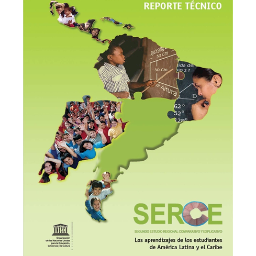
Ecuador joined a big regional education test in 2006, and the results were awful. Ecuador took part in the SERCE test for the first time and scored near the bottom in reading and math. This made the government see that education needed to change.

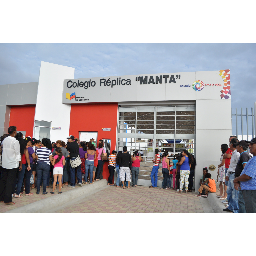
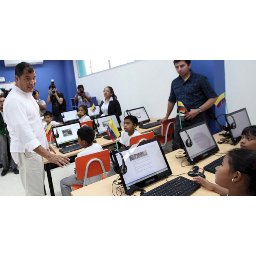
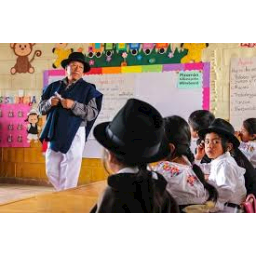
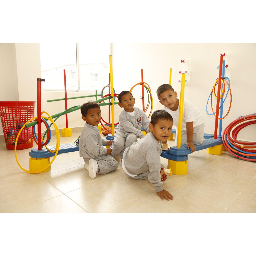
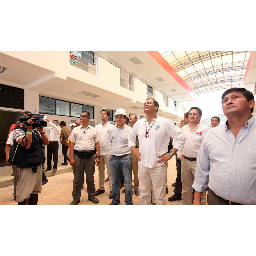
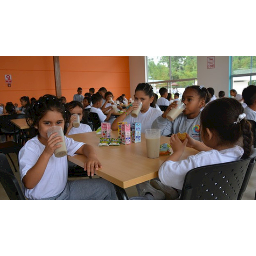
From 2007 to 2013, the government increased money for education a lot. Education spending went from 1% to 5% of GDP. The government built schools, hired teachers, and gave free uniforms, books, and food.
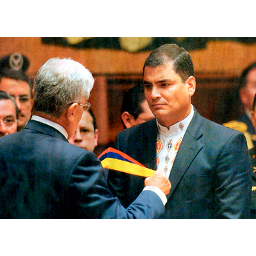
In 2007, President Rafael Correa started a big education reform to improve schools. He said education was a right for all people and made it a top goal of his government.


Reform Laws and Policies (Teacher Focus)
In 2008, the government created SIPROFE to train teachers better. SIPROFE gave training courses to almost 300,000 teachers to improve their skills.

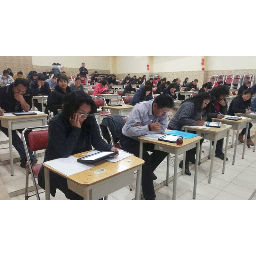
In 2009, a new Teacher Career Law changed how teachers were hired and promoted. Teachers had to pass exams to get jobs or better positions. Bad teachers could be removed after two bad evaluations.

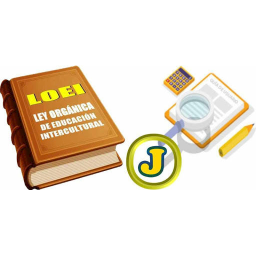
In 2011, the new Education Law (LOEI) gave more power to the Ministry and less to the union. The union (UNE) lost its role in teacher hiring, and the law stopped automatic union fees.
Between 2009 and 2013, more than 90,000 teachers were evaluated. The evaluation used classroom observations, student opinions, and tests. Good teachers get bonuses. Poor teachers had to improve or leave.


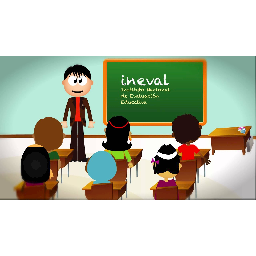
In 2012, the government created INEVAL, the agency for tests and evaluations. INEVAL was in charge of checking student learning and teacher quality.
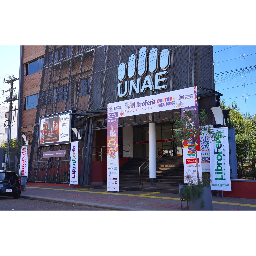
In 2013, the National University of Education (UNAE) was created to train new teachers. It started classes in 2015 and wanted to prepare top-quality teachers.


Stakeholders and Political Support
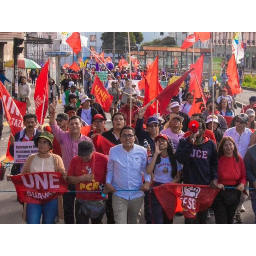
The teacher union UNE protested, but the government continued the reforms. UNE did strikes in 2009, but the government stopped them and dissolved the union in 2016.
Business groups and civil society were not very active in the reforms. Unlike other countries, business and education groups in Ecuador did not play a big role in the reform process.


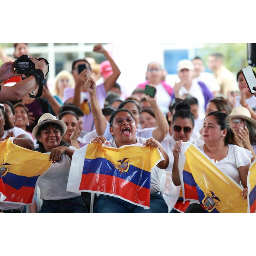
Public support for education reforms was very high during Correa’s presidency. Surveys showed satisfaction with public education rose from 30% before Correa to 70% during his government.


Reform Process and Strategies
The government offered money bonuses and early retirement to change the teacher workforce. Many old teachers retired, and younger, better-prepared teachers were hired through new exams.


In 2016, a new teacher test called SER Maestro was introduced. This evaluation had many parts: tests, classroom visits, portfolios, and feedback. But bonuses were no longer given.

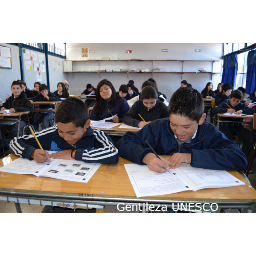
From 2006 to 2013, student learning in Ecuador improved a lot. In the TERCE test in 2013, Ecuador had the biggest gain in reading and the second in math in Latin America.

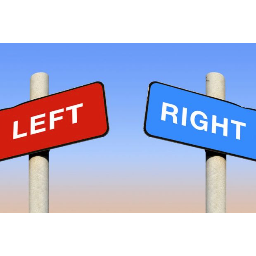
Left vs. Right Wings

The term ‘Left-wing’ has a similar origin during the French Revolution, where anti-monarchy revolutionaries were seated on the left side of the hall.
The term ‘Right-wing’ has its origins during the days of the French Revolution (1789-1799) where the supporters of the Monarchy were seated on the right hall of the National Assembly.


- Full access to our public library
- Save favorite books
- Interact with authors

- < BEGINNING
- END >
-
DOWNLOAD
-
LIKE
-
COMMENT()
-
SHARE
-
SAVE
-
BUY THIS BOOK
(from $3.19+) -
BUY THIS BOOK
(from $3.19+) - DOWNLOAD
- LIKE
- COMMENT ()
- SHARE
- SAVE
- Report
-
BUY
-
LIKE
-
COMMENT()
-
SHARE
- Excessive Violence
- Harassment
- Offensive Pictures
- Spelling & Grammar Errors
- Unfinished
- Other Problem

COMMENTS
Click 'X' to report any negative comments. Thanks!