
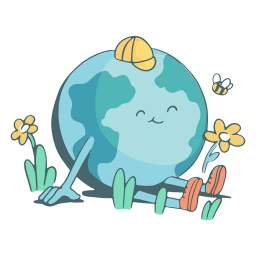
The world as we know it is changing! It's not just the big cities or faraway places either. Right here in West Virginia, the temperature is going up, the rivers flood more, and it rains a whole lot more!
But what does any of that have to do with our oceans?
Well, it's actually a whole lot more than you might think! Even though our home doesn't touch the oceans, the air we breathe, the water we drink, and the animals we live around are all connected to the ocean.
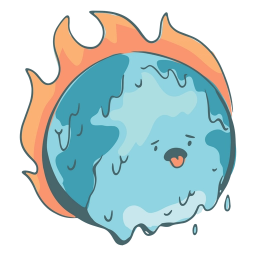


One World, One Ocean!

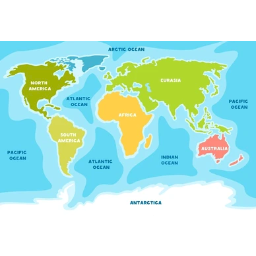
Today, the study of the sea is called oceanography. It tells us that the ocean is one big connect body of water!
Earth has FIVE named oceans. All of them connect together and flow in a giant loop called global ocean conveyor belt.
This conveyor belt moves things like heat, food for fishes, and life all across the planet! It helps a lot in making sure our climate stays safe.

Tidal Tug-of-War

But the Oceans aren't the only things affecting the Earth's water.
The moon ALSO pushes and pulls the waters like a game of tug-of-war!
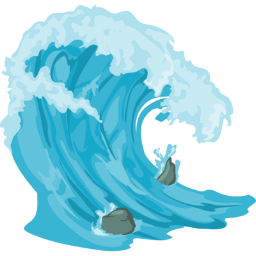
This is where we get our tides. It's these tides, when they come in and out, that gives us our waves!
And the real neat part of these tides, is that they are really good at making ENERGY. This tidal energy is clean and renewable!
But, it can also hurt animals if we aren't careful.
There's always a bigger fish. BUT THAT'S A WAVE!
Sometimes, these tidal waves can get really big.
This tricks some people into believing that Tsunamis are tidal waves, but that's actually not true! Tsunamis come from earthquakes, volcanic eruptions, and other geologic changes under the ocean.
This makes early warning systems REALLY important. Otherwise, we won't have very much time at all to react to incoming tsunamis
Red Tide? Just the ocean this time!


Other times, the ocean will turn RED. This doesn't come from spilled paint though, thank goodness! It's actually caused by tiny creatures named DINOFLAGELLATES, that are so small you can only see them with special tools.
When there's to much nutrients in the water, these creatures multiply and multiply FAST.
This excess nutrient is caused by a few different things, but the most common cause is runoff from farms! This is because of phosphorus that is mixed in the water when it rains .
Colorful Coral and their Friends!

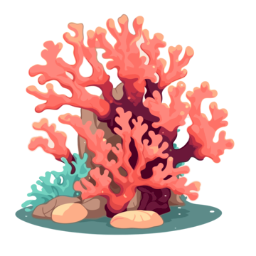
And then there is the Coral-the color of the ocean! While coral may look like rocks, it's actually complex organisms that live just like anything else!
And what is really cool, is that they live really closely to algae and other creatures that all form symbiotic relationships.
But when the ocean gets too hot, the algae on the coral leaves, and the coral loses its color! This process is called coral bleaching.
Where'd the Air Go?


Just like we need to breathe air, fish also take oxygen from the water! But cold water holds more air than warm water. If the water gets too hot, it'd mean serious problems for the fish who live there!
When too much nutrients is put into the water, it causes an ALGAL BLOOM. This causes a lot of algae to move into the area, which eventually results in them dying! Then, the bacteria that eats them up uses up all of the oxygen in the area.
This new area is called a DEAD ZONE, and all the fish living there move away! This causes a whole lot of damage to the local ecosystem, and can even cause trouble for fishers and nearby businesses!
Wandering Waters

Another fun thing to remember:
Did you know that water travels? Yup! The same water that the fish swim in can be the same water that falls out of your sink!
But remember, it doesn't stay the same. This process of change is called WATERSHED.
Cold, salty water gets a lot heavier, meaning it sinks to the bottom of the ocean. This means that warm water floats to the top!
These differences in temperatures is what makes the currents that flow around the globe. But, this also means that they make what's known as GYRES which are real big swirling zones that tend to collect a whole lot of trash.
Ocean Sour Hour
With how much water moves, the ocean has a real neat way of making sure everything stays happy. With the right temperature and Ph level, it makes sure everything stays balanced.
Ph is the acidity of the ocean, which usually stays pretty basic. But, when things heat up, the ocean takes on more CO2 and becomes more acidic. This process is called OCEAN ACIDIFICATION.
We can test the acidity of the ocean through lots of different methods like Ph Strips! Part of saving the oceans means keeping it happy and balanced!
Sea Floor Secrets!

We can also see that the ocean is diverse at the bottom! from tall mountains to deep valleys, the ocean floor is just like land.
There are two major zones on the ocean floor. the Continental margin, near the shore, and the Deep Ocean Basin, near the ocean floor.
Plate Boundaries are areas where the Earth's crust moves. This is what causes things like earthquakes. Because of this movement, these are also areas where oil is trapped under the earth!
- Full access to our public library
- Save favorite books
- Interact with authors
"Climate change is the single biggest threat to life, security, and prosperity on Earth"
- Antonio Guterres, UN Secretary-General
I chose this quote because I feel it very adequately shows the important of the climate, oceans, and working together to protect, repair, and preserve the gift the world has given each of us in the ocean.
- < BEGINNING
- END >
-
DOWNLOAD
-
LIKE
-
COMMENT()
-
SHARE
-
SAVE
-
BUY THIS BOOK
(from $3.59+) -
BUY THIS BOOK
(from $3.59+) - DOWNLOAD
- LIKE
- COMMENT ()
- SHARE
- SAVE
- Report
-
BUY
-
LIKE
-
COMMENT()
-
SHARE
- Excessive Violence
- Harassment
- Offensive Pictures
- Spelling & Grammar Errors
- Unfinished
- Other Problem






COMMENTS
Click 'X' to report any negative comments. Thanks!