Citizenship
As the students file into the bus, Ms. Frizzle is excitedly waiting to announce what they are learning about that day. Once everyone is there Ms. Frizzle says, “Today, we’re going to be learning about what it means to be a citizen! If you don’t already know what a citizen is; A citizen is a member of a community, country, or place that has rights and responsibilities. So, for our field trip today, we will be traveling back in time to truly understand citizenship! Seat beats, everyone!”

Ancient Influences
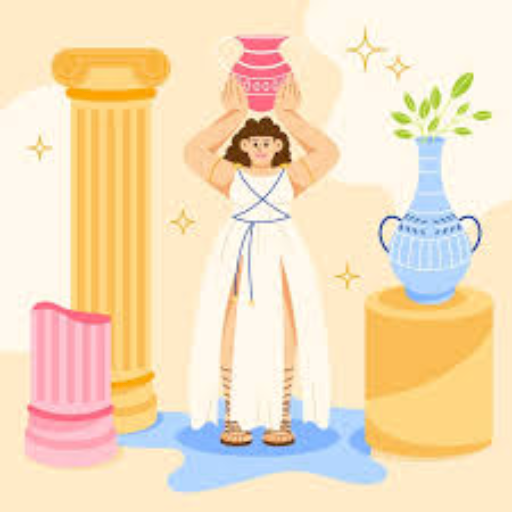
The bus shrinks, starts spinning rapidly, and they end up in Ancient Greece. “Aha, a voting assembly, perfect! Here, the Greeks created the idea of democracy or ‘We the people’ that we still use today!” Ms. Frizzle says.

Colonial Influences
“Mmm, let’s go visit colonial America. Here we can see the colonists who came from England. They wanted to run things similar to Greeks because they were tired of tyranny and felt like the king wasn’t respecting their rights. So, they came up with the Magna Carta that established rights for the citizens and limited the king’s rights. The king signed the document but did not live by it” says Ms. Frizzle.

Declaration of Independence
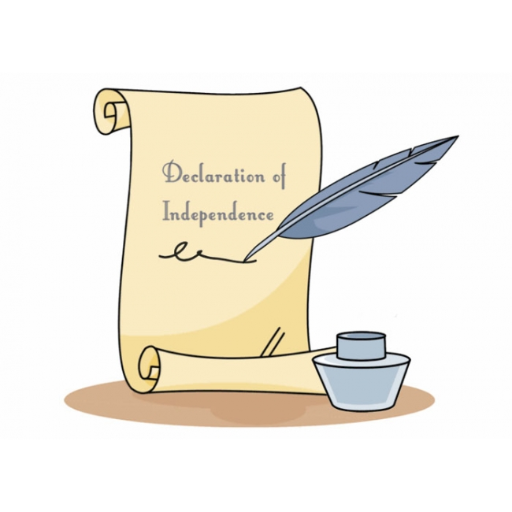
“Time to be free and independent states” The bus observes Thomas Jefferson writing the Declaration of Independence. “This document states that ‘all men are created equal’ and freed the colonists from England. Following this, the 13 colonies were established.” said Ms. Frizzle.

Articles of Confederation
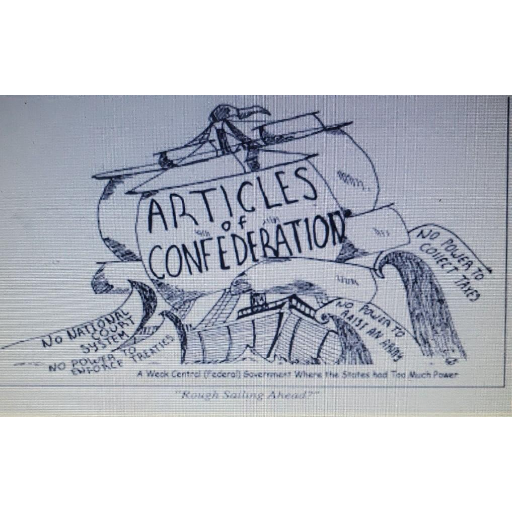
“Hurry everyone, we don’t want to miss the meeting where the Articles of Confederation were signed. Here, the original 13 states signed the document. The Articles were our first attempt at government and as you would expect with trying something new, there were some problems.” says Ms. Frizzle.

Constitution
“Thankfully, the Constitution was written which solved many of the problems. It created a strong federal government with three branches: legislative, executive, and judicial.” said Ms. Frizzle.

Bill of Rights
As the class was walking around they noticed signs naming different rights: freedom of speech, religion, and the right to bear arms. Ronald asked Ms. Frizzle how they got the right to these things. “Well, after the Constitution was set in place, the Bill of Rights were established. This document guarantees citizens certain rights and freedoms.” Ms. Frizzle says.

Legislative Branch
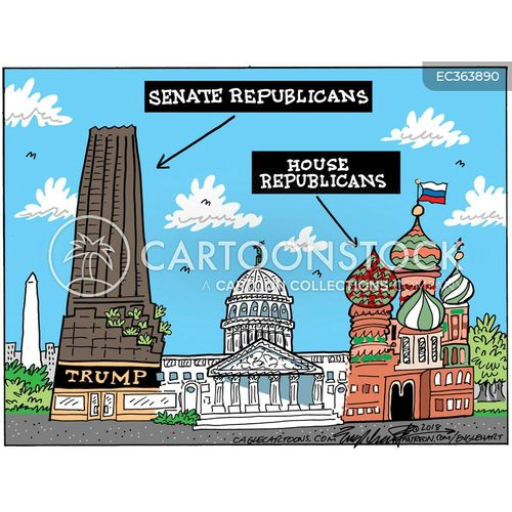
“I’m still confused, what do the branches of government do?” Ronald asks. “Oh, of course” Ms. Frizzle says. “Let’s go visit the U.S. Capitol Building in Washington, DC. This is where the Congress meets or in other words the Legislative Branch. The Legislative Branch is made up of the Senate and the House of Representatives who work to make laws. There they are now!”

Executive Branch
“Now, off to the White House. This is where the President leads the Executive Branch. Not only that, they enforce laws passed by Congress and have the power to veto laws they don’t agree with.” said Ms. Frizzle. As the class is walking to the courtroom, they notice the President signing a bill into a law.

- Full access to our public library
- Save favorite books
- Interact with authors

- < BEGINNING
- END >
-
DOWNLOAD
-
LIKE
-
COMMENT()
-
SHARE
-
SAVE
-
BUY THIS BOOK
(from $5.99+) -
BUY THIS BOOK
(from $5.99+) - DOWNLOAD
- LIKE
- COMMENT ()
- SHARE
- SAVE
- Report
-
BUY
-
LIKE
-
COMMENT()
-
SHARE
- Excessive Violence
- Harassment
- Offensive Pictures
- Spelling & Grammar Errors
- Unfinished
- Other Problem

COMMENTS
Click 'X' to report any negative comments. Thanks!