

📘 BluEcoInVET – MENTÖR ÖĞRETMENLER
Sevgi Bayram /İstanbul TOKİ Kayaşehir Mesleki ve Teknik Lisesi
Ayşe Başak Yavuzdemir /Ankara
Esma Çimen/İstanbul
Ana Novikienė /Litvanya
Larisa Ramić / Bosna Hersek
Valentina Velkova
Özgür Kapan
Hümeyra Memişoğlu
Bahadır Çakmak
Aynur Bilir
Sevimgül Bahadır
Faruk Saltekin /Batman Saadet Uçar Anadolu Lisesi
STUDENT TEAMS & THEMES
🌊 Team 1 – Fisheries & Coastal Management / Research City: 🇹🇷 Giresun, Samsun | 🇬🇪 Terjola
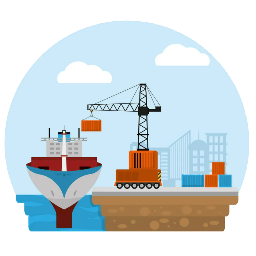
🚢 Team 2 – Maritime Transport & Port Efficiency /🇹🇷 Istanbul | 🇮🇹 Italy
🛰️ Team 3 – Smart Shipping & Innovation /🇹🇷 Istanbul | LT Lithuania
🌴 Team 4 – Coastal Tourism & Sustainability /🇹🇷 Samsun | 🇬🇪 Terjola
⚡ Team 5 – Marine Renewable Energy & Desalination 🇹🇷 Ankara
🐢 Team 6 – Ocean Conservation & Biodiversity /🇹🇷 Multiple Cities | 🇬🇪 Terjola
💧 Team 7 – Biotechnology & Water Management /🇹🇷 Batman | 🇧🇬 Bulgaria | 🇮🇹 Italy
🌊 🌊 Team 1 – Fisheries & Coastal Management /Research City: 🇹🇷 Giresun, Samsun | 🇬🇪 Terjola
Mentor Teachers
Sevgi Bayram /Bahadır Çakmak
Students
-Sinan K -TUGCE BAL -Yakuper SYSMTAL -Azra Keško -METEHAN OZEN -Melek B -İrem D. -Lejla Cicvara -Sena.tal A







We are Under the guidance of teachers Sevgi Bayram and Bahadır Çakmak, Team 1 focused on the challenges and opportunities within sustainable fishing and coastal management. Through the BluEcoInVET project, students examined real-world case studies, researched potential gains from Blue Economy solutions, and voiced their findings through written reports and awareness actions.








Bahadır Çakmak /Teacher /Istanbul TOKI Kayasehir MTAL
“I supported students in linking data to daily life—helping them calculate potential gains from marine protection and reduced pollution. They learned how the Blue Economy affects both coastal and inland communities, and how youth can lead that change.”
🎤 Sevgi Bayram /Teacher /Istanbul TOKI Kayasehir MTAL“I encouraged my students to look beyond the shoreline and ask: how can we protect what sustains us? They explored Giresun and Samsun not just geographically, but socially and ecologically. It was inspiring to witness their transformation into active environmental thinkers.”

Chapter I -Teacher Reflections



Tugce BAL (Giresun)
Advocated for expanding marine protected areas to align with EU standards, potentially generating ₺1 billion/year in eco-benefits through biodiversity and tourism
Sinan (Giresun) /İstanbul TOKI MTAL
Identified that over 3,500 people depend on fishing in Giresun. Sustainable practices could recover ₺15 million in lost revenue due to declining fish stocks
Chapter II-TStudent Reflections



Metehan (Bosnia and Herzegovina)
Projected a 25% increase in freshwater fish production with modern systems, resulting in €5 million annual gain and 1,000 new jobs.
Azra Keško/ Black Sea coastal cities
Highlighted how inland seafood awareness could reduce imports and generate savings of up to €150 million through local aquaculture development.




İrem D. (Bosnia and Herzegovina)
Demonstrated that student-led water protection campaigns could reduce water treatment costs by €2 million/year.
Melek B (Istanbul)
Estimated that raising certified sustainable seafood in markets from 12% to 30% could yield ₺120 million/year in new market value.



Sena.tal A. (Samsun)
Warned that unregulated port expansion in Samsun could cost ₺70 million in environmental damage if youth voices aren’t included in planning.
Lejla Cicvara /Giresun
Showed that youth-driven cleanups influence 60% of local habits, preventing 500 tons of plastic waste annually.



🚢
Ayşe Başak Yavuzdemir / Sevimgül Bahadır
Students
Hasan Ayşe Kürşathan
Fatima Yağmur Melisa
Nehir Ece Evrim

Sevimgül Bahadır / Cumhuriyet Vocational and Technical
Anatolian High School
Ayşe Başak Yavuzdemir / Dikmen Nevzat Ayaz Girls Vocational and Technical Anatolian High School
This team worked like a logistics unit itself—collecting data, comparing international ports, and simulating how smart systems reduce costs and pollution. Watching them think like problem-solvers and strategists was a proud moment.
Chapter I -Teacher Reflections


Fatima H. / Izmir
Studied Izmir Port and emphasized the lack of renewable energy integration. With solar panel investment, the port could reduce annual energy costs by ₺3 million.
Hasan Cmtal/ Istanbul
Analyzed Bosphorus traffic and found that digitalizing vessel traffic systems could reduce emissions by 20%, and improve efficiency, potentially saving ₺25 million annually.

Chapter I - Student Reflections


Ayşe Cmtal / Tekirdağ
Found that shifting to hybrid trucks for Ro-Ro transportation at Tekirdağ Port could lower fuel consumption by 25%, saving ₺5.2 million annually.
Nehir I. / Samsun
Projected that automating crane operations in Mersin Port could cut loading/unloading time by 30%, translating into a ₺10 million gain in port throughput per year.




Ece K. / Klaipeda
Highlighted Klaipėda Port’s use of wind turbines, showing potential for zero-carbon port energy by 2030, saving up to €2.5 million/year.
Yağmur O. / Naples
Evaluated Naples as a model for green logistics. Advocated replicating its integrated waste-water filtering system in other Mediterranean ports.



Melisa A. / Bari
Explored how modern storage layouts in Bari reduce land use by 18%, and recommended adoption for growing Black Sea ports
Kürşathan / Varna
Reviewed Bulgaria’s use of AI for ship scheduling, estimating that applying similar software in Turkish ports could cut idle time by 40%, increasing profits.




Evrim B. / Rades
Revealed inefficiencies in Radès Port’s handling system. Suggested digital cargo tracking to reduce customs delay by 35%, boosting trade volume by €20 million annually.
Evrim / Rades
Revealed inefficiencies in Radès Port’s handling system. Suggested digital cargo tracking to reduce customs delay by 35%, boosting trade volume by €20 million annually.
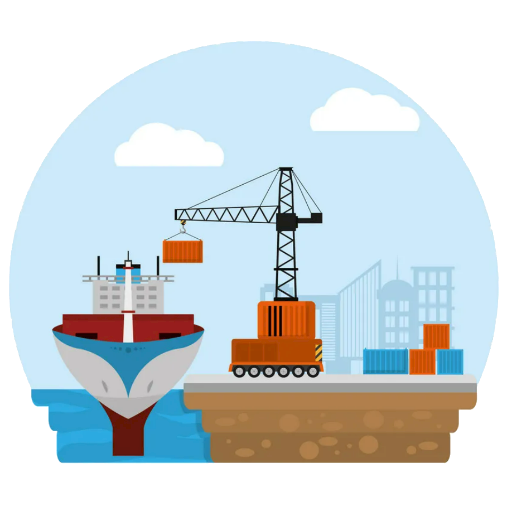

TEAM 3
Smart Shipping & Innovation / TR Turkiye | LT Lithuania
Mentor Teachers
Coordinated by teachers:
Özgür Kapan / Turkiye /Istanbul
Ana Novikiene /Lithuania /Kaunas
Students
Meda K (Lithuania)
Juste V (Lithuania)
Tija S (Lithuania)
Rumeysa B (Turkiye)
Elif Koç (Turkiye)
BEGUM KAPUSUZ (Turkiye)
Derin K. (Turkiye)
Alkın Barım A. (Turkiye)
Erdem B. (Turkiye)

We are under the guidance of teachers Özgür Kapan and Ana Novikiene.
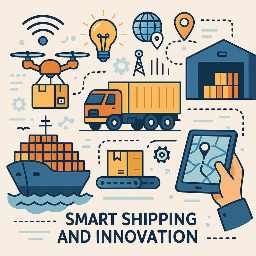
Team 3 focused on the challenges and opportunities within SMART SHIPPING AND INNOVATION . Through the BluEcoInVET project, students examined real-world case studies, conducted a research from Blue Economy solutions, and voiced their findings through written reports and awareness actions.
Meda K (Lithuania)
Juste V (Lithuania)
Tija S (Lithuania)
Erdem B. (Turkiye)
Rumeysa B (Turkiye)
Alkın Barım A. (Turkiye)
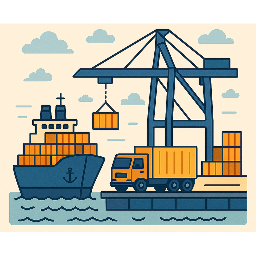
Investigated Samsun Port’s automation potential. Suggested autonomous crane systems that could boost efficiency by 28%, adding ₺8 million in annual gains.
https://voca.ro/1ceDN8cs85Qj

Elif Koç (Turkiye)
BEGUM KAPUSUZ (Turkiye)
Derin K. (Turkiye)
TAKIM 4
Coastal Tourism & Sustainability: Eco-Travel for the Future
Mentor Öğretmenler
Coordinated by teachers Esma Çimen (Turkey) and Larisa Ramić (Bosnia and Herzegovina)
Öğrenciler
Samet Y. (Samsun, Turkey) Sena A. (Terjola, Georgia)
Sima A. (Istanbul, Turkey) Mert O. (Varna, Bulgaria)
Harun SYSMTAL(Istanbul, Turkey) Batuhan ASML (Samsun)
Namir Buzađija (Bosnia and Herzegovina)
Irfan Kapidžić (Bosnia and Herzegovina)
Selin K. (Giresun)
Teacher Reflections
Esma Çimen
“Coastal tourism is not just about leisure; it's about preserving cultural and natural heritage. Our students investigated how tourism can coexist with marine conservation and local livelihoods. Their findings prove that young voices matter in shaping responsible travel.”

Teacher Reflections
Larisa Ramić
“We worked across borders—Turkey, Bosnia, Georgia—to study different coastal cultures and challenges. Students compared eco-label hotels, beach policies, and local green initiatives. Their ideas are creative, practical, and deeply informed by local realities.”


Samet Y. (Samsun, Turkey)
Found that if 30% of beach tourism in Samsun shifts to eco-certified facilities, the city could gain ₺10 million annually while reducing plastic waste by 40 tons per season.

Sena A. (Terjola, Georgia)
Researched eco-tourism models for fishing villages, recommending cultural tours that combine sustainable seafood education and local cooking classes.

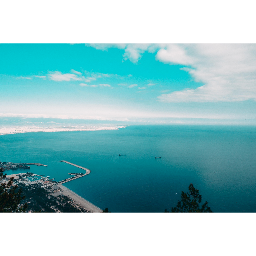
Sima A. (Istanbul, Turkey)
Proposed augmented reality (AR) experiences for tourists at coastal heritage sites, projecting a 25% increase in visitor engagement and income.
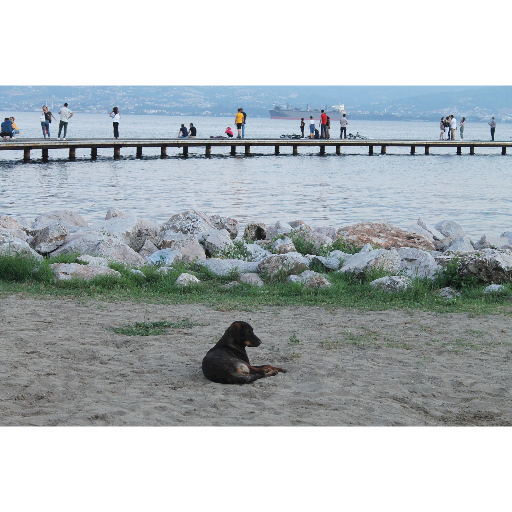
Mert O. (Varna, Bulgaria)
Reviewed eco-friendly hotel certifications and showed that compliance with EU green standards raises average occupancy by 15% and annual revenue by €500K.

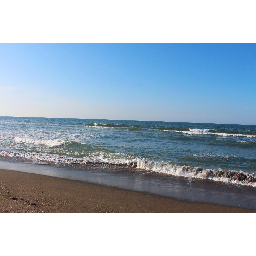
Harun SYSMTAL(Istanbul, Turkey)
Proposed a “Zero Waste Beach” campaign with QR-coded bins and reward apps, estimating a 35% drop in littering rates and stronger youth involvement.
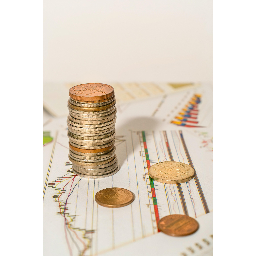
Batuhan ASML (Samsun)
Mapped eco-sensitive zones in Samsun for potential conservation tourism, emphasizing nature education and visitor limits to protect dune ecosystems.
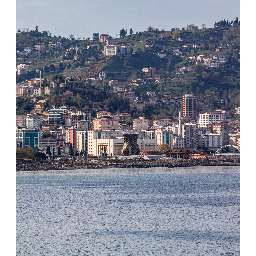
Namir Buzađija (Ankara, Turkey)
Designed a digital storytelling guide featuring coastal sustainability stories for schools and tourist centers, encouraging environmental literacy.
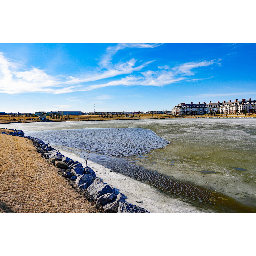

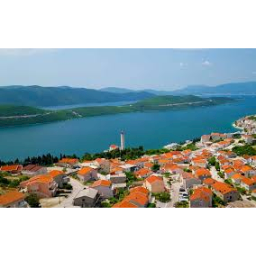
Irfan Kapidzij (Bosnia and Herzegovina)
Proposed rural coastal homestay tourism along Bosnia’s Neum coastline, which could increase local family income by €3,000 annually per host.

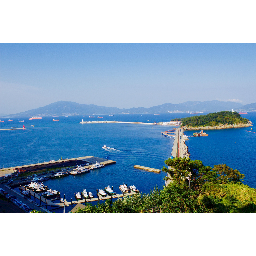
Selin K. (Giresun)
Highlighted that tourism doesn't have to harm the coast—it can protect and uplift it. Their proposals combine innovation,
Teachers
Sevgi Bayram, Valentina Velkova
Students
Elifnaz A.
Nuriye A
Ralitsa Ventsislavova
ASSEM O.
Alexandra Zdravkova
Duru K.
Eyüp cmtal
ceylin giresun
Aynur Dicle Özen




Led by educators Sevgi Bayram (Turkey) and Valentina Velkova (Bulgaria), Team 5 explored the potential of marine renewable energy sources and desalination technologies as solutions for both climate resilience and freshwater scarcity. Students investigated innovations such as offshore wind, wave and tidal energy, and clean desalination techniques across their countries—aligning environmental needs with economic opportunity.
Sevgi Bayram
“We encouraged students to think of energy not just as power, but as impact—social, economic, and environmental. They discovered that even non-coastal cities can support marine energy innovation through education, advocacy, and smart infrastructure.”
Valentina Velkova
“My students saw how marine energy technologies could bring growth and sustainability to the Black Sea region. They proposed practical, local ideas rooted in their research, and gained strong awareness of what a just energy transition should look like.”

Chapter I -Teacher Reflections


- Full access to our public library
- Save favorite books
- Interact with authors
- < BEGINNING
- END >
-
DOWNLOAD
-
LIKE(1)
-
COMMENT()
-
SHARE
-
SAVE
-
BUY THIS BOOK
(from $11.39+) -
BUY THIS BOOK
(from $11.39+) - DOWNLOAD
- LIKE (1)
- COMMENT ()
- SHARE
- SAVE
- Report
-
BUY
-
LIKE(1)
-
COMMENT()
-
SHARE
- Excessive Violence
- Harassment
- Offensive Pictures
- Spelling & Grammar Errors
- Unfinished
- Other Problem






COMMENTS
Click 'X' to report any negative comments. Thanks!