

ŞİRİN KÖSE

3-4 page PARTNERS
5-6-7-8 page Şirin KÖSE
9-10-11 page FatmaKARADUMAN
12-13-14 page Sevgül KARADUMAN
15-16 page Kyriaki DELINASIOU
17-18 page Çiğdem AYDINLI
19-20 page Yasemin KARAAĞAÇ
21-22 page Hülya YILDIRIM
23-24 page Ayşe DELİBAŞ
25-26 page Habibe TURUÇLU
27-28 page Irenie LUQUE BORREGO
Nisreen Alkailani
Bsema alshamailh



1. FATMA KARADUMAN- İZMİR/TURKEY
2. ŞİRİN KÖSE- ADANA/TURKEY
3. SEVGÜL KARADUMAN- SAKARYA/TURKEY
4. ÇİĞDEM AYDINLI- TEKİRDAĞ/TURKEY
5. YASEMİN KARAAĞAÇ- AFYONKARAHİSAR/TURKEY
6. HÜLYA KABUL YILDIRIM- İSTANBUL/TURKEY
7. Kyriaki DELINASIOU- SELANİK/ GREECE
8. AYŞE DELİBAŞ- VAN/TURKEY
9. HABİBE TURUÇLU- KAHRAMANMARAŞ/TURKEY
10. IREBE LUQUE BORREGO/MARCELO SPİNOLA
11.Nisreen Alkailani / JORDAN
12.Bsema alshamailh/JORDAN

Project Partners







1
2
3
4
5
6
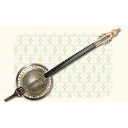
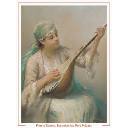
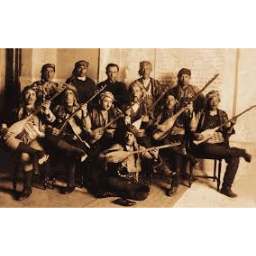
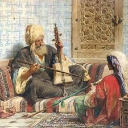
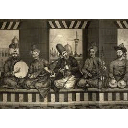
1.zura
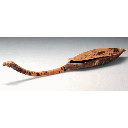
2. kemençe
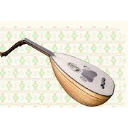
3.ud
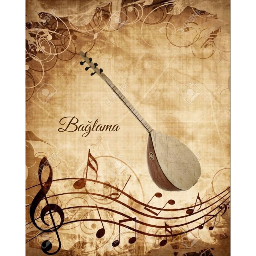
4.saz
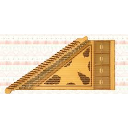
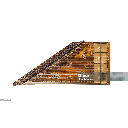
5.kanun
6.davul
7. kabak
kemane
7

KARŞIYAKA NECİP DEMİR TMTAL
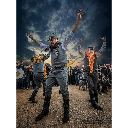
10 beloved pieces of the Aegean Zara - Kütahya'nın Pınarları, Mecaz - Saniyem, Hale Gür - Dress Stamped, Orhan Hakalmaz - Bozdoğan Zeybeği, Semra Tunç - This İzmirden Seedless Pomegranate Comes, Tolga Çandar - Efem, Ulaş Kurtuluş - Sarı Zeybek, Özay Gonlum - Asmam Çardaktan, Nida Ateş - Take My Feracemi I Want, İsmail Altunsaray - I Will Go To The Wood Zeybek is a traditional folk dance of the Aegean region that deals with themes of heroism and honor. Zeybek dance is performed with slow and majestic movements and is especially popular among men. Zeybek music is usually performed with instruments such as bağlama, clarinet and drums. The most well-known folk dance played by women in the Aegean region is harmandalı. This dance is performed with lighter and more delicate movements than zeybek.




KARŞIYAKA NECİP DEMİR TMTAL
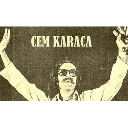
Cem Karaca, one of the founders of Anatolian rock music, who left his mark on a period with his protest stance and unique vocals, has earned a place in memories as one of Turkey’s most beloved artists. After the film “Cem Karaca’nın Gözyaşları” first aired on TV on May 1, the artist’s life and biography are being researched again. Born in Istanbul as the child of an artistic family, Karaca was introduced to music at a young age and created a unique style by blending rock music with Anatolian folk songs. The artist, who has created unforgettable works with groups such as Apaşlar, Kardaşlar, Moğollar and Dervişan, has also become the voice of the people with lyrics that draw attention to social problems.

Zeybek dances are mostly played in the Aegean Region. The regional dances may vary depending on the region. It is one of the dances played in heavy weather and has drums and zurna. The instruments used are often the instruments of the regional dances of this region. Many types of instruments such as oud, flute, harmonica, dümbelek, cymbal, violin, bağlama, guitar, lute, tef are instruments belonging to the Aegean Region. The music played in the dances of the region mostly consists of western music. The prevalence of western culture in the region has also affected the regional dances.
KARŞIYAKA NECİP DEMİR TMTAL
oud flute
harmonica
tambourine
tabor bell
dulcimer
violin harp
lyre
bouzouki
connecting
guitar lot
In my opinion, the most profound discovery in human history is music. Behind music theory lies the physics of that fascinating harmony that nature offers us. Music and sounds are not just a single frequency, but a combination and harmony of different frequencies.

ARİFİYE NECMETTİN ERBAKAN SCIENCE HIGH


Sakarya's Artist Akif Yener, one of Sakarya's well-known artists, has shared his works such as "Legendary Sakarya", "Ne Aşk Ne Hayat" and "Sakaryaspor 50th Year March" with music lovers. Yener, who attended the "Reflections of Culture in the Press and the Best of the Year in Success" award ceremony held at Çırağan Palace, was appreciated for his success in his professional life.Due to migration from different regions to the province, folk music and games are quite diverse. Communities coming from the Eastern Black Sea Region, Eastern Anatolia, Aegean Region and Northern Caucasus try to continue their music and game traditions. In addition to the influences coming with migration in Sakarya's folk music, there are also traces of the music of neighboring provinces such as Bolu, Kocaeli and Bilecik. No uzun hava has been identified in the region, but it was determined that Kırık hava has characteristics of zeybek, horon and Caucasian melodies. It was observed that 2, 4, 5, 7 and 9 time melodies are predominant in the region. On weddings, holidays and special days, communities from various regions in Sakarya, which is an agricultural and industrial region, play their own local games. Various folk music instruments come together in the region; Divan, baglama, cura, tambura, zurna, dilli and dilsiz kavallar, bellows harmonica, Black Sea kemenche, davul, tef, darbuka, spoon and cymbal are among the folk instruments of this region.
ARİFİYE NECMETTİN ERBAKAN SCIENCE HIGH


Yörede bulunan bu çalgılardan bazıları, özellikle “Cümbüş”, “Ud”, “Keman” yaklaşık 80-100 yüzyıllık bir geçmişe sahip olduğu düşünülmektedir. “Cümbüş”ün “Bağlama”nın yerini aldığı ve yörede daha önce “Klarnet”, “Davul” ve “Darbuka”nın çalgı olarak kullanıldığı yaygın bir inanıştır. Halk oyunları sanatçılarının hiçbiri icra ettikleri müziği notalara bakarak veya notalardan öğrenerek çalmaz. Yörede halk oyunlarının müziği usta-çırak ilişkisiyle kuşaktan kuşağa aktarılır. Düğünlerde ve şenliklerde üç veya dört çalgının eşliğinde müzik icra edilir. Başlıca çalgılar “Klarnet”, “cümbüş”, “keman” ve “ritm” (“davul” veya “darbuka”)’dır. Zaman zaman “ritm” olarak “davul” veya “darbuka” ayrı olarak çalınır. “Keman” her zaman halk oyunlarına veya müzikli şenliklere dahil edilmez. Kemanın da içinde bulunduğu dört kişilik ekibe yörede "İnce Takım" denir. Geyve, Taraklı ve Pamukova yörelerinin müziğinde en çok tanınan kişi "Kozanlı Klarnetçi Nizamettin Gemici" ve daha sonra 1962 yılında kendisinden yöre müziğini öğrenen "Taraklılı Öğretmen Ahmet İşsever"dir.


ARİFİYE NECMETTİN ERBAKAN SCIENCE HIGH
ARİF SAĞ
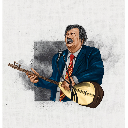
Arif Sağ is a Turkish folk music artist, bağlama virtuoso and academician. He was born in 1945 in the Aşkale district of Erzurum, started his musical career in Istanbul and worked at TRT Istanbul Radio.
He has produced important works in the field of bağlama, conducted academic studies and was effective in the spread of Turkish folk music. He reached a wide audience with the "Muhabbet" series albums he started with Musa Eroğlu and Muhlis Akarsu. He was a member of parliament for Ankara between 1987-1991 and survived the Sivas Massacre. He contributed to the international recognition of bağlama and Anatolian music.

TEKİRDAĞ ERTUĞRUL GAZİ ANATOLİAN HİGH SCHOOL

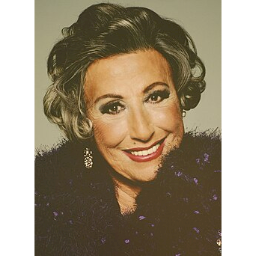
MÜZEYYEN SENAR

Müzeyyen Senar (1918-2015) is one of the most important and beloved artists in Turkish music. Considered the diva and "stance" of Turkish classical music, Senar left an unforgettable mark with her powerful voice and unique interpretation.
Müzeyyen Senar was born on July 16, 1918, in Mudanya, Bursa. Her real name is Müzeyyen Nermin Senar, and her introduction to music was greatly influenced by her family. Her father, Hüseyin Bey, was a well-known music lover and a collector of Turkish music in Bursa. Her family played a significant role in her growing up surrounded by music and in developing her artist identity from an early age.
TEKİRDAĞ ERTUĞRUL GAZİ ANATOLİAN HİGH SCHOOL
Müzeyyen Senar’s musical career began when she moved to Istanbul in 1938. After settling in Istanbul, she was discovered by Sadık Altar, one of the famous artists of the time, which helped her make a name for herself. When she first joined Istanbul Radio, her voice reached a wide audience as one of the radio's first artists.
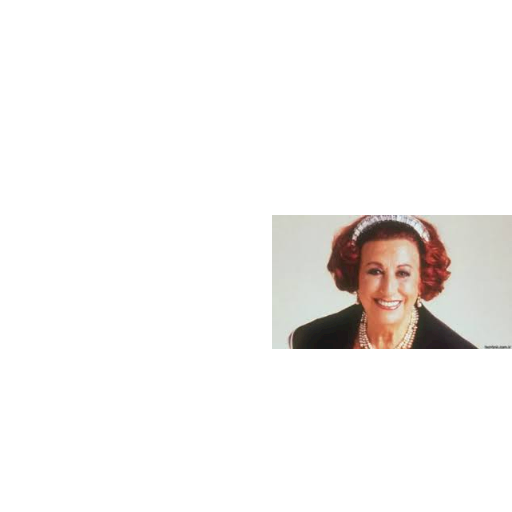
The peak of Müzeyyen Senar's career occurred in the 1940s. Sharing the stage with some of the most famous singers of the era, Senar was soon recognized as one of the most important names in Turkish classical music.
TEKİRDAĞ ERTUĞRUL GAZİ ANATOLİAN HİGH SCHOOL
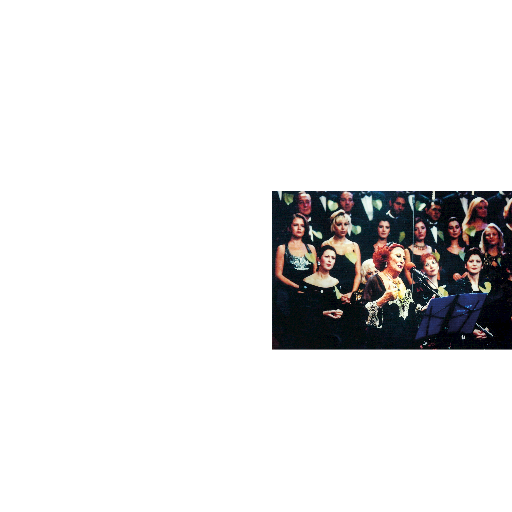

Especially as a prominent representative of Turkish classical music, Senar made a mark on an era with her works. Songs like "Bekle Beni", "Fikrimin İnce Gülü", and "Ah Bu Şarkıların Gözü Kör Olsun" became synonymous with her voice and have been cherished throughout the years.
Müzeyyen Senar gained fame not only in Turkey but also abroad. She experienced one of the brightest periods of her career during the 1950s. She performed in countries like America and Germany, where she received significant attention.
TEKİRDAĞ ERTUĞRUL GAZİ ANATOLİAN HİGH SCHOOL
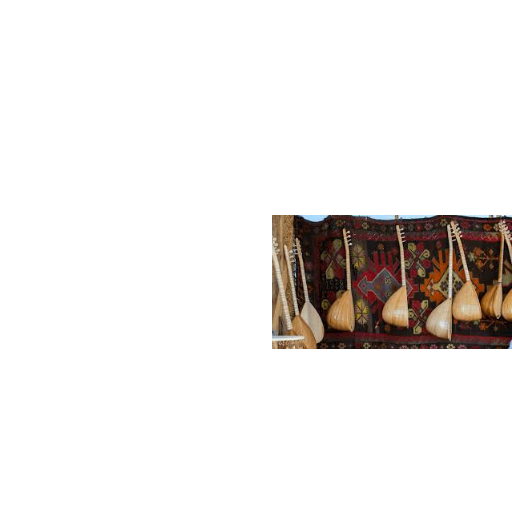
Senar was not just a singer through her artistry; she was also one of the rare artists who connected with music like a "saz" (a traditional Turkish instrument). She is considered an unmatched interpreter of Turkish classical music.

- Full access to our public library
- Save favorite books
- Interact with authors
- < BEGINNING
- END >
-
DOWNLOAD
-
LIKE(2)
-
COMMENT()
-
SHARE
-
SAVE
-
BUY THIS BOOK
(from $6.59+) -
BUY THIS BOOK
(from $6.59+) - DOWNLOAD
- LIKE (2)
- COMMENT ()
- SHARE
- SAVE
- Report
-
BUY
-
LIKE(2)
-
COMMENT()
-
SHARE
- Excessive Violence
- Harassment
- Offensive Pictures
- Spelling & Grammar Errors
- Unfinished
- Other Problem





COMMENTS
Click 'X' to report any negative comments. Thanks!