The Atlantic slave trade represents one of the worst crimes against humanity in recorded history. Over four centuries, a brutal and extensive economic system developed around the enslavement and transportation of millions of African people across the Atlantic Ocean. This trade had a profound and lasting impact on Africa, Europe, and the Americas, shaping economies, societies, and cultures in ways that are still evident today.
This booklet will explore key aspects of the Transatlantic Slave Trade, focusing on the specific content outlined in the CAPS Grade 7 Social Sciences curriculum for the topic “Slavery in the American South.” By examining the details of this period, we aim to understand the causes, mechanisms, and consequences of this tragic chapter in human history.

Plantations: Tobacco, Rice, Sugar Cane, and Cotton in South America
Plantations began in the 16th century as large agricultural estates established by European colonists in South America, primarily in the Portuguese colony of Brazil. These estates were fundamental to the colonial economies due to their production of highly profitable cash crops that were in great demand in European markets. The substantial profits generated from these crops created an immense requirement for a large, unpaid workforce.
The primary cash crops cultivated on these plantations in South America included:
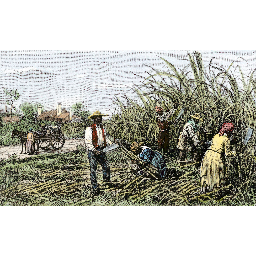
Sugar Cane:
The most significant and profitable crop cultivated on plantations in Brazil, beginning in the 16th century and dominating the colonial economy throughout the 17th and 18th centuries. Sugar production was exceptionally labor-intensive and dangerous, involving planting, harvesting, crushing the cane, and boiling the juice. This process was extremely hazardous and led to very high mortality rates among enslaved workers.
Tobacco
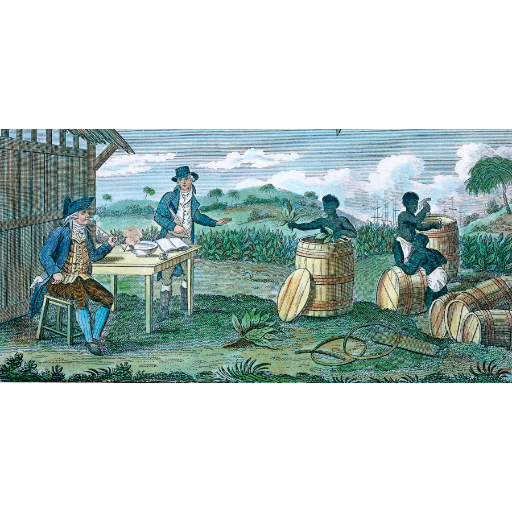
While sugar was the primary crop, tobacco was also cultivated on plantations in Brazil and other parts of South America, especially in the 17th and 18th centuries. It required significant manual labor for planting, tending, harvesting, and curing the leaves.
Cotton
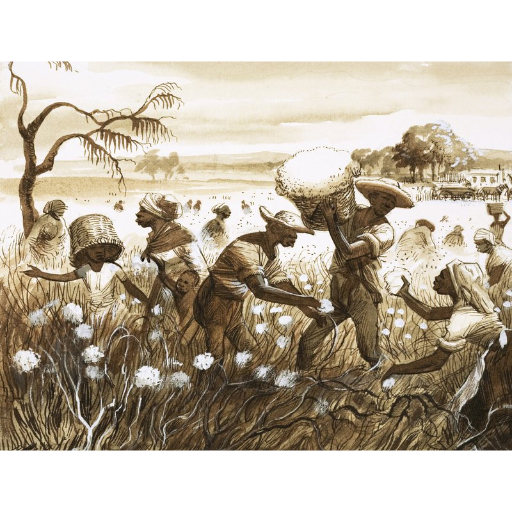
Cotton was grown in various parts of South America, including Brazil, particularly gaining importance in the 18th and 19th centuries. Its cultivation required extensive field labor for planting, weeding, and hand-picking the cotton balls.
Rice
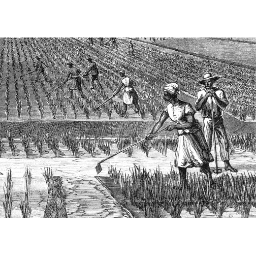
Although less dominant than sugar in Brazil, rice was cultivated in some areas of South America that had suitable wetland environments, especially in the 17th and 18th centuries. Its production was often demanding, involving working in muddy conditions.
The system of plantation agriculture in South America was entirely dependent on the exploitation of enslaved African people. Life for enslaved individuals on these estates was defined by forced, ceaseless labour, severe discipline, and extremely harsh living conditions.
Activity
Plantation
1. Identify Primary Crop: Based on the text, which cash
crop was the most significant and profitable in Brazil during
the 16th to 18th centuries? (2)
2. Labor Demands: Choose either sugar cane or cotton. Describe one specific task involved in cultivating that crop that would have required a large amount of labor from enslaved people. (3)
Reasons for Using Slave Labour in South America
The widespread adoption and expansion of slave labor, specifically the enslavement of Africans, by European colonists in South America was driven by a convergence of economic imperatives, demographic shifts, and evolving racial ideologies, primarily from the 16 to the 19 centuries.
High Demand for Labor on Plantations and Mines
The establishment and growth of large-scale plantations for sugar cane, tobacco, rice, and cotton, along with the discovery of gold and diamond mines in South America (especially in Brazil), created an insatiable demand for a large, consistent, and controllable workforce. The intensive manual labor required for these agricultural and extractive industries far exceeded the available free labor supply.
This demand intensified significantly with the expansion of sugar cultivation in the 16 and 17 centuries and gold mining in the 18 century.
Failure of Alternative Labor Sources:
Indigenous Population, early attempts by Portuguese and Spanish colonists to force indigenous Native American populations into labor were largely unsuccessful. Native populations suffered catastrophic declines due to European diseases (such as smallpox, measles, and influenza introduced in the 15 and 16 centuries) and were often able to resist enslavement or escape due to their familiarity with the local terrain.
European Labor
European indentured servants were not brought to South America in sufficient numbers to meet the massive labor demands. Additionally, European settlers were often reluctant to perform the harsh physical labor required in the tropical climates and dangerous mining environments.
Economic Profitability and Maximization
The primary economic incentive for using enslaved labor was its perceived “cost-effectiveness.” Enslaved individuals were treated as property, and their labor was unpaid. This eliminated wage costs, significantly reducing production expenses for sugar, tobacco, cotton, rice, and the extraction of gold and diamonds. This maximized profits for plantation and mine owners, European merchants, and colonial powers. This economic model was highly attractive to those seeking to accumulate wealth rapidly.
Development of Racial Ideologies and Dehumanization
As the Transatlantic Slave Trade expanded, particularly from the 17 century onwards, racist ideologies emerged and solidified. These false and baseless beliefs asserted the supposed inferiority of African people, claiming they were inherently less intelligent, more physically robust, or better suited for hard labor in tropical climates and mining conditions than Europeans. These dehumanizing justifications served to rationalize the brutal enslavement and exploitation of Africans, making it easier for European societies to morally justify their actions and maintain the institution of chattel slavery. This racialization of slavery made it almost impossible for people of African descent to escape their enslaved status.
ACTIVITY
1. List three significance reason for the high demand for labor in South America during the colonial period. (3)
2. Explain how did the limitations of both indigenous populations and European indentured servants contribute to the colonists’ decision to use enslaved African labor? Explain in 2-3 sentences. (3)
How Slaves Were Captured, Sold, and Transported from West Africa to South America
The process of enslavement began in West and Central Africa, involving a systematic and brutal chain of events that forcibly removed millions of individuals from their homelands for transportation to South America. This process developed significantly from the 16 century and intensified in the 17 and 18 centuries.
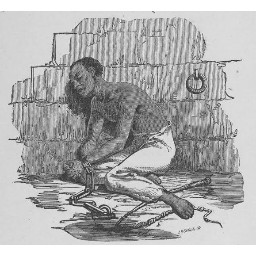
Slaves were captured from Africa:
Majority of individuals who became enslaved were captured by African intermediaries rather than directly by European slave traders raiding coastal communities. European traders often collaborated with powerful African leaders, kings, and merchants.
Africans were obtained captives through:
Warfare: Captives were often prisoners of war from conflicts between rival African states or ethnic groups.
Raiding: Less powerful communities or isolated villages were sometimes raided by more powerful African groups or by European-backed forces specifically for the purpose of obtaining captives.
Kidnapping: Individuals were sometimes kidnapped from their homes or communities.
Judicial Processes: In some African societies, individuals could be enslaved for debt or criminal offenses; however, this form of slavery was generally different from the permanent, chattel slavery imposed by Europeans.
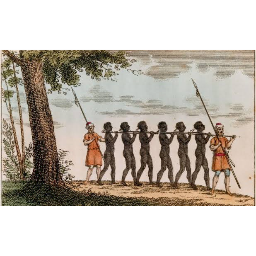
Once captured, individuals were chained together in long lines called coffles and forced to march, often for hundreds of miles, from the interior regions to the coastal trading forts. These forced marches were extremely harsh, with many perishing from exhaustion, starvation, or violence along the way.
ACTIVITY
In a paragraph of 10 lines, elaborate how Africans were enslaved by South Americans.
(10)
- Full access to our public library
- Save favorite books
- Interact with authors
- < BEGINNING
- END >
-
DOWNLOAD
-
LIKE
-
COMMENT()
-
SHARE
-
SAVE
-
BUY THIS BOOK
(from $4.99+) -
BUY THIS BOOK
(from $4.99+) - DOWNLOAD
- LIKE
- COMMENT ()
- SHARE
- SAVE
- Report
-
BUY
-
LIKE
-
COMMENT()
-
SHARE
- Excessive Violence
- Harassment
- Offensive Pictures
- Spelling & Grammar Errors
- Unfinished
- Other Problem






COMMENTS
Click 'X' to report any negative comments. Thanks!