We dedicate this book to all the children, teachers, and families who believe in the beauty of cultural diversity.
May this journey through traditional clothing help us celebrate our differences, honor our roots, and inspire unity through understanding and respect.
With love from the Our Colorful World project team.

Contents
Greece – Traditional Greek Costumes
Serbia – Traditional Serbian Clothing
China – Traditional Chinese Dress
Georgia – Georgian National Outfits
Spain – Traditional Spanish Attire
Japan – Traditional Japanese Clothing
Great Britain – Traditional British Dress
Germany – German Traditional Clothing (Trachten)
France – Traditional French Costumes
USA – Traditional Clothing of the United States
In Greece
2nd Primary School of Ptolemaida/Greece (E. Dimitriou, A. Chloridou, 5th graders)
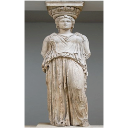
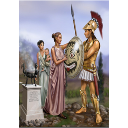
Costumes from Ancient Greece
Men and women wore an inner garment, either the peplos or the chiton, and an outer garment, the himation. The peplos was made of heavier fabric, usually wool, while the chiton was lighter, made of linen. They were fastened to the body with the help of a buckle and/or belt.
Clothing in ancient Sparta was characterized by austerity and simplicity, for both men and women, reflecting the values of their society.
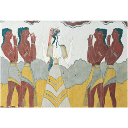
The Minoans are the ones who invented the art of weaving, the loom, as well as tailoring. They are the first in the world to both weave clothes and cut and sew clothes to the measurements of the wearer, and who also had different garments for men, women, priests, etc.
Period of Ottoman
During the period of Ottoman rule, the clothing of the Greeks varied depending on the social class, region and economic status of the individual, as well as gender. However, there are some common elements that characterize the traditional Greek costume of the time: Shirt, Dresses, Belts and aprons, Shorts and vests, Headgear, Jewelry, Socks and shoes.
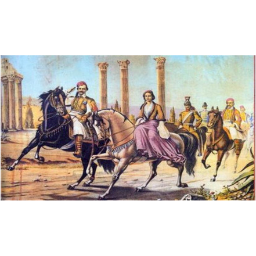
After the reign of Otto
After the reign of Otto, Greek clothing was shaped by various influences, combining traditional elements with newer trends. The foustanella remained a symbol of national identity and was worn by Otto and others, while women's clothing, such as the "Amalia", evolved with influences from urban fashion and the romantic trend of the time.
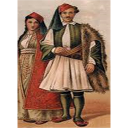
Traditional costumes of Greece
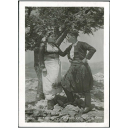
Traditional clothing in Macedonia varies depending on the region, but generally includes the fez, dress, shirt, zipouni or midani, apron, and various jewelry and accessories.
Traditional costume of Crete
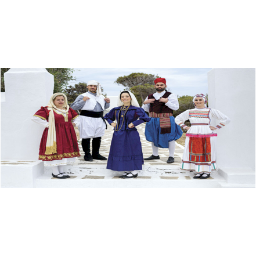
Traditional costumes of the Greek islands
In Sebia
2nd Primary School of Ptolemaida/Greece (E. Dimitriou, A. Chloridou, 5th graders)
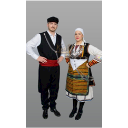
Serbian national costume
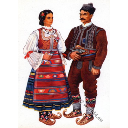
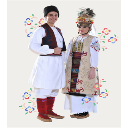
Serbian folk costume represents a precious part of Serbia's cultural heritage.
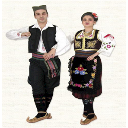
Men's costume often includes trousers or wide trousers, a waistcoat, a shirt.
Women's costumes are usually richly decorated and full of colorful details. Skirt, shirt, waistcoat and apron are the basic parts of women's costume.
folk costume
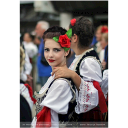
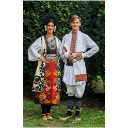
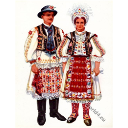
Different regions of Serbia have their own specific costume styles. For example, Šumadija is known for its richly decorated women's costumes with embroidered motifs of plants and flowers. In the south of Serbia, in the vicinity of Leskovac, women's costumes are often made of dark-colored fabric, with complex geometric patterns.
Today, the costume is most often worn on special occasions, such as folklore dances, weddings or other traditional manifestations.
In China
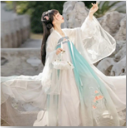
Hanfu: The traditional clothing of the Han Chinese, worn for thousands of years. It is characterized by loose, flowing fabrics, long sleeves, and multiple layers. There are many styles of Hanfu, depending on the season and occasion.
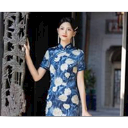
Qipao / Cheongsam: A tight, one-piece dress with a high collar, developed in the early 20th century. Often made of silk, it is known for its elegance and femininity. Although relatively modern, it has become an iconic symbol of Chinese fashion.
2nd Primary School of Ptolemaida/Greece (E. Dimitriou, A. Chloridou, 5th graders)
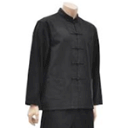
Tangzhuang: A type of Chinese jacket derived from the mandarin jacket of the Qing Dynasty. It is characterized by a stand-up collar, Chinese buttons, and is often made of silk or brocade. It is often worn on formal occasions.
Miao Costumes: The costumes of the Miao ethnic group are known for their stunning complexity, bright colors, elaborate embroidery, and heavy silver jewelry. Each Miao subgroup has its own distinct style.

Tea Gagua-Kajrisvhili - Rustavi Public School N10, Georgia
Traditional Costumes of Georgia
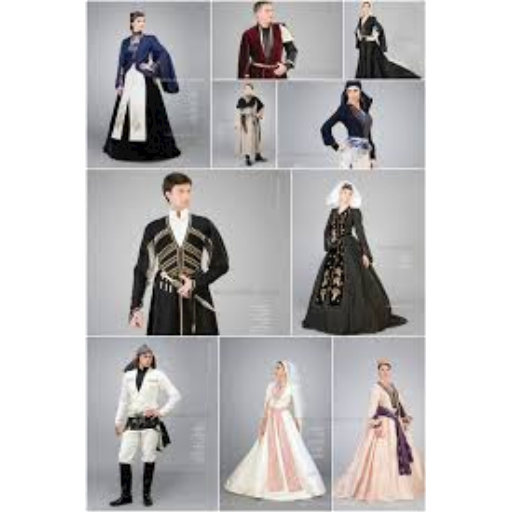
Traditional Georgian costumes, known as “Chokha” (for men) and national dresses (for women), reflect the country’s rich cultural heritage, regional diversity, and centuries-old customs. These costumes vary across different regions of Georgia such as Kartli, Kakheti, Samegrelo, Svaneti, Adjara, and others, each with its unique style, colors, and embroidery.
Traditional Costumes of Georgia
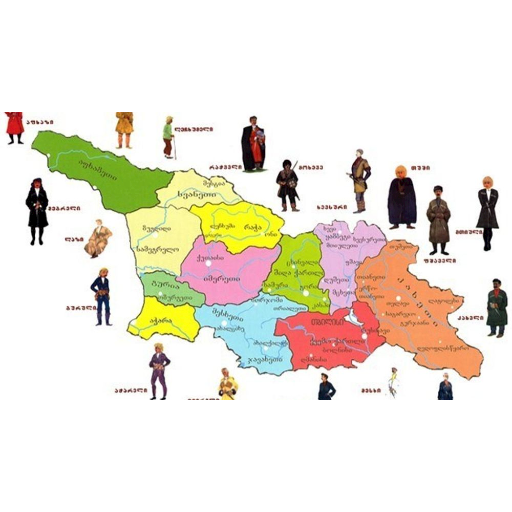
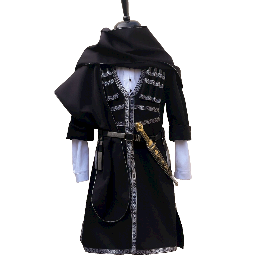
Men’s Traditional Costume – Chokha
The most famous men's outfit is called Chokha.
It is a long coat with a belt and sometimes a knife.
Men wear a special hat called a papakhi or kabalakhi.
Chokhas are different in each region of Georgia.
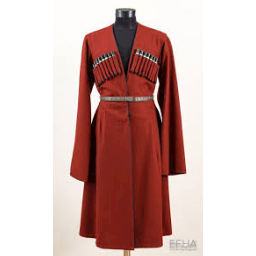

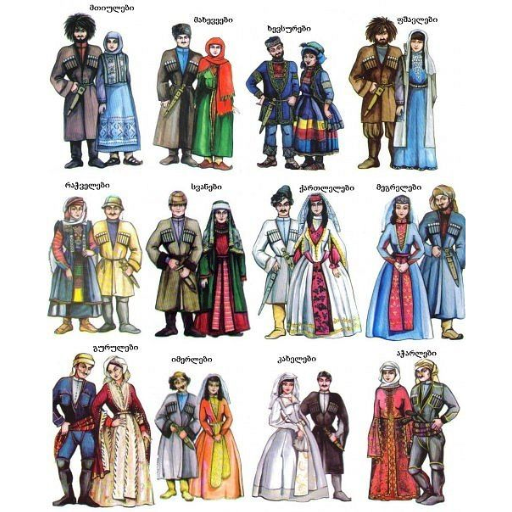
Women’s Traditional Dress in Georgia
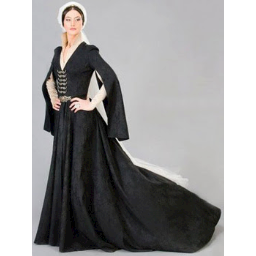
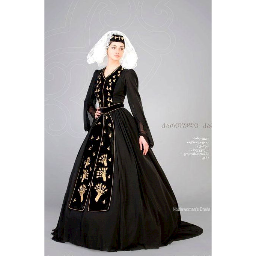
Women’s costume includes long, flowing dresses with narrow waists, long sleeves, and rich embroidery.
Often worn with a headdress or veil and decorative belt.
The dresses are made of velvet, silk, or cotton depending on the region and occasion.
Some versions include gold or silver thread embroidery, especially in festive or noble garments.
Khevsureti: Known for armor-like chokhas with detailed cross-stitch embroidery.
Adjara: Influenced by Ottoman styles; women wore colorful layered dresses and headscarves.
Svaneti: Thick wool garments adapted to the cold mountain climate.
Samegrelo: Elegant and feminine styles with headscarves.
Use Today
Traditional costumes are worn during national holidays, folk performances, weddings, and cultural festivals.
They are a symbol of Georgian identity and pride.
Traditional Costumes of Spain
Tea Gagua-Kajrishvili, Rustavi Public School N10, Georgia
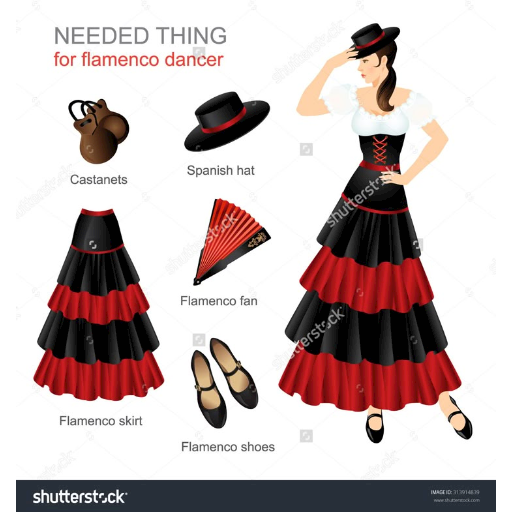
Spain has many regions, and each has its own traditional clothes. Spanish costumes are colorful, beautiful, and often used in festivals and dances.
The most famous is the Flamenco dress (also called traje de flamenca).
It is a long dress with many ruffles (frills) on the sleeves and skirt.
Women often wear flowers in their hair, fans, and big earrings.
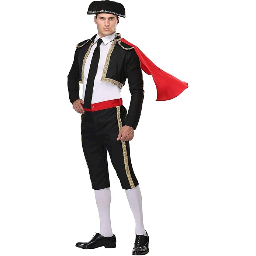
Men wear a short jacket, high-waisted pants, and a wide belt.
Sometimes they wear a hat and carry a cape for dances like Flamenco.
Andalusia: Famous for Flamenco costumes.
Madrid: The traditional costume is called Chulapo (men) and Chulapa (women).
Valencia: People wear detailed historical costumes during Las Fallas festival.
Catalonia and Basque Country: Have their own unique styles too.
Traditional Spanish costumes are worn during:
Festivals, Religious celebrations, Folk dances, National holidays
These costumes show the rich culture and traditions of Spain.
Traditional Costumes of Japan
Tea Gagua- Kajrisvhili- Rustavi Public School N10
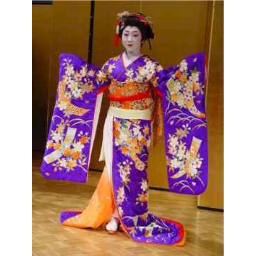
Japan is known for its beautiful and elegant traditional clothing. The most famous outfit is the kimono.
The kimono is a long robe with wide sleeves and a belt called an obi.
It is made of silk or cotton and has beautiful patterns.
Kimonos are worn by both men and women, but women’s kimonos are usually more colorful.
Worn on special days like weddings, tea ceremonies, or festivals.
Often decorated with flowers, birds, or seasonal designs.
Worn with special sandals called zōri and white socks called tabi.
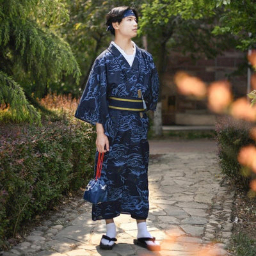
Yukata: A lighter, summer kimono made of cotton, worn at festivals.
Hakama: Worn by men and sometimes women for martial arts or ceremonies.
Traditional clothes are worn during:
Festivals
Weddings
Cultural events
Tea ceremonies
These costumes are an important part of Japan’s culture and history.
Traditional Clothes of Great Britain
Rita Machaladze, Rustavi Public School N10
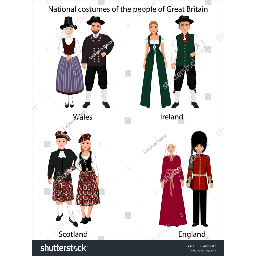
England
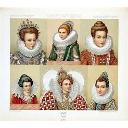
Tudor and Elizabethan Styles
Ruffled collars, velvet gowns, and doublets were popular during the 16th century. Traditional Morris dancers wear white clothes with bells, ribbons, and hats decorated with flowers.
- Full access to our public library
- Save favorite books
- Interact with authors
- < BEGINNING
- END >
-
DOWNLOAD
-
LIKE
-
COMMENT()
-
SHARE
-
SAVE
-
BUY THIS BOOK
(from $8.19+) -
BUY THIS BOOK
(from $8.19+) - DOWNLOAD
- LIKE
- COMMENT ()
- SHARE
- SAVE
- Report
-
BUY
-
LIKE
-
COMMENT()
-
SHARE
- Excessive Violence
- Harassment
- Offensive Pictures
- Spelling & Grammar Errors
- Unfinished
- Other Problem






COMMENTS
Click 'X' to report any negative comments. Thanks!