



Ascorbic Acid ( Vitamin C )
- Function: Protects cells, boosts immunity, helps make collagen.
- How it works: Acts as an antioxidant and aids collagen formation.
- Too little/too much:
Deficiency: Scurvy (fatigue, bleeding gums, joint pain)
Excess: Can cause stomach upset or kidney stones
- RDA: 75–90 mg/day
- Food sources: Oranges, strawberries, bell peppers, broccoli

- Function: Protects cells from damage, supports immune system.
- How it works: Acts as a fat-soluble antioxidant, protects cell membranes.
- Too little/too much:
Deficiency: Nerve and muscle problems, vision issues
Excess: Can increase bleeding risk
- RDA: 15 mg/day
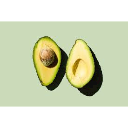
- Food sources: Almonds, sunflower seeds, spinach, avocado

Retinol ( Vitamin A )
- Function: Supports vision, immunity, and skin health.
- How it works: Converts to retinoic acid, regulates genes and forms rhodopsin for low-light vision.
- Too little/too much:
Deficiency: Night blindness, higher infection risk
Excess: Can cause nausea, liver damage, birth defects
- RDA: 900 mcg/day (men), 700 mcg/day (women)
- Food sources: Carrots, sweet potatoes, liver, spinach

Calciferol ( Vitamin D )
- Function: Maintains strong bones and teeth; supports immunity.
- How it works: Helps absorb calcium and phosphorus in the intestines.
- Too little/too much:
Deficiency: Rickets in children, osteomalacia in adults
Excess: Nausea, kidney damage, high calcium
- RDA: 600 IU/day (adults up to 70), 800 IU/day (>70)
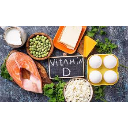
- Food sources: Salmon, fortified milk, egg yolks, sunlight

Niacin ( Vitamin B3 )
- Function: Converts food into energy; supports skin, nerves, and digestion.
- How it works: Forms NAD⁺ and NADP⁺, which carry electrons in metabolism.
- Too little/too much:
Deficiency: Pellagra (diarrhea, dermatitis, dementia)
Excess: Flushing, liver damage
- RDA: 16 mg/day (men), 14 mg/day (women)
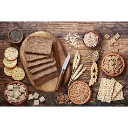
- Food sources: Chicken, tuna, peanuts, whole grains

Pyridoxine (Vitamin B6)
- Function: Helps make neurotransmitters and red blood cells.
- How it works: Converts to PLP, a coenzyme in amino acid metabolism.
- Too little/too much:
Deficiency: Irritability, anemia, nerve damage
Excess: Nerve damage at very high doses
- RDA: 1.3–2 mg/day
- Food sources: Bananas, potatoes, chicken, fortified cereals (include picture)

- Function: Makes DNA and supports cell growth.
- How it works: Becomes THF, which transfers one-carbon units for DNA synthesis.
- Too little/too much:
Deficiency: Megaloblastic anemia, birth defects
Excess: Can mask B12 deficiency
- RDA: 400 mcg/day
- Food sources: Leafy greens, beans, citrus, fortified cereals

- Function: Makes DNA, keeps nerves healthy, helps red blood cells.
- How it works: Works with folate in DNA synthesis and converts homocysteine to methionine.
- Too little/too much:
Deficiency: Fatigue, nerve damage, megaloblastic anemia
Excess: Generally safe, excess excreted in urine
- RDA: 2.4 mcg/day
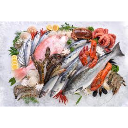
- Food sources: Meat, fish, eggs, dairy (include picture)

- Full access to our public library
- Save favorite books
- Interact with authors

- < BEGINNING
- END >
-
DOWNLOAD
-
LIKE(1)
-
COMMENT()
-
SHARE
-
SAVE
-
BUY THIS BOOK
(from $2.99+) -
BUY THIS BOOK
(from $2.99+) - DOWNLOAD
- LIKE (1)
- COMMENT ()
- SHARE
- SAVE
- Report
-
BUY
-
LIKE(1)
-
COMMENT()
-
SHARE
- Excessive Violence
- Harassment
- Offensive Pictures
- Spelling & Grammar Errors
- Unfinished
- Other Problem

COMMENTS
Click 'X' to report any negative comments. Thanks!